Lost a Filling? What to Do Right Now

Dr Tristan Tinn
Founder & Clinical Director
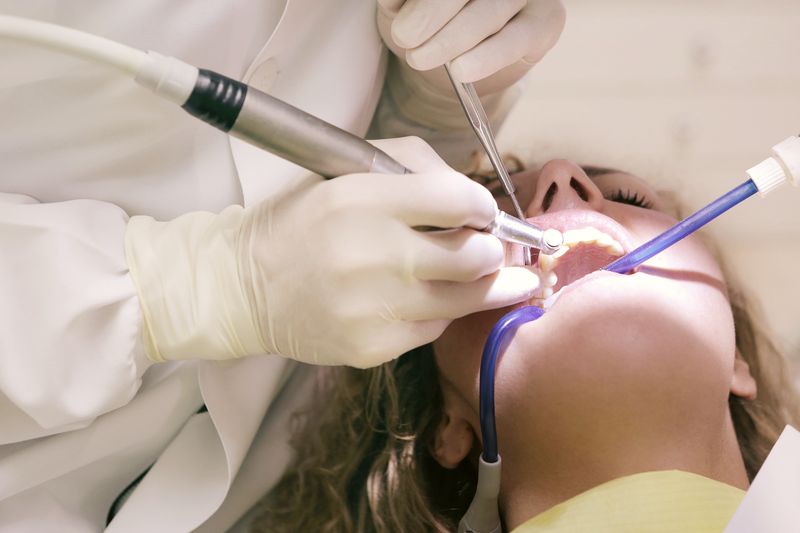
You're eating lunch and suddenly feel something hard in your mouth that shouldn't be there. A filling has come loose. It's a common problem, and while it can feel alarming, it's usually manageable if you know what to do. Here's a step-by-step guide to handling a lost filling, what treatment you may need, and how much it's likely to cost.
Key Takeaways
- •A lost filling is not usually an emergency, but you should see a dentist within a few days
- •Buy temporary filling material from a pharmacy to protect the exposed tooth in the meantime
- •Avoid chewing on the affected side and stay away from very hot, cold, or sugary foods
- •Most fillings last 5 to 15 years. Decay underneath is the most common reason they fail
- •NHS replacement costs £76.60 (Band 2). Private white fillings cost £80 to £300
- •Do not use superglue. It contains chemicals that should not be in your mouth
Why Do Fillings Fall Out?
Fillings don't last forever. Most dental fillings have a lifespan of 5 to 15 years, depending on the material used and how well the tooth is looked after. There are several reasons why a filling might come loose or fall out entirely:
- Decay underneath the filling: New decay can develop around or beneath an existing filling, gradually undermining the bond between the filling material and the tooth. This is one of the most common reasons fillings fail.
- Wear and tear over time: Years of chewing, grinding, and clenching can weaken the filling material and the surrounding tooth structure. Composite (white) fillings and amalgam (silver) fillings both degrade with age.
- Biting on hard foods: Crunching ice, boiled sweets, nuts, or even an unexpected olive stone can dislodge a filling, particularly if it was already weakening.
- Teeth grinding (bruxism): If you grind your teeth at night, the constant pressure can cause fillings to crack or loosen over time. You may not even be aware you're doing it — a partner might notice, or your dentist may spot the signs of bruxism at a check-up.
- Large or old fillings: The bigger the filling, the less natural tooth structure remains to hold it in place. Very large fillings may eventually need replacing with a crown for added strength.
Need to find a dentist who can see you quickly? Search for available appointments near you.
Immediate Steps to Take
If your filling has just fallen out, don't panic. Follow these steps to protect the tooth until you can see a dentist:
- Keep the area clean: Rinse your mouth gently with warm salt water (half a teaspoon of salt in a glass of warm water). This can help remove debris and may reduce the risk of infection.
- Don't chew on that side: Avoid using the affected tooth for chewing. Stick to softer foods and try to eat on the opposite side of your mouth.
- Try a temporary filling kit: Most pharmacies in the UK stock temporary filling kits (brands like Dentemp or similar). These contain a soft putty that you can press into the cavity to protect the exposed tooth. They're not a permanent fix, but they can provide relief for a few days.
- Manage pain with over-the-counter painkillers: Ibuprofen is generally effective for dental pain, as it reduces both pain and inflammation. Paracetamol is an alternative if you can't take ibuprofen. Always follow the dosage instructions on the packet.
- Try clove oil for sensitivity: A small amount of clove oil (eugenol) applied to the exposed area with a cotton bud may help numb discomfort temporarily. It has been used as a traditional remedy for toothache for centuries and has mild anaesthetic properties.
- Avoid temperature extremes: Very hot or cold foods and drinks can trigger sharp pain in the exposed tooth. Room-temperature water and lukewarm foods are your friends until the filling is replaced.
Tip: If you still have the filling, bring it to your appointment. Your dentist may not reuse it, but it can help them understand the size and type of restoration needed.
Is It Urgent? When to See a Dentist
A lost filling is not usually a life-threatening emergency, but it does need attention relatively quickly. Here's how to gauge the urgency:
- Within a day or two: If you have sharp pain, significant sensitivity, or can see a dark area inside the cavity, try to see a dentist promptly. The exposed tooth structure is vulnerable to further decay and potential infection.
- Within a week: If there's mild sensitivity but no severe pain, you can usually manage for a few days with a temporary filling kit. However, don't leave it longer than necessary — the longer the tooth is exposed, the greater the risk of complications.
- Seek urgent care if: You develop facial swelling, a fever, a persistent bad taste in your mouth, or throbbing pain that doesn't respond to painkillers. These could be signs of a dental abscess, which requires prompt treatment.
Warning: Don't ignore a lost filling for weeks or months. Without the protective barrier of the filling, bacteria can reach deeper parts of the tooth, potentially leading to infection, abscess, or the need for more extensive treatment like root canal therapy.
Not sure which treatment you need? Describe what happened in the chat below and we'll help you understand your options.
What Treatment Will You Need?
The treatment your dentist recommends will depend on how much tooth structure remains and whether there's any new decay:
- A new filling: If the cavity is still in good shape and there's minimal new decay, your dentist can simply place a new filling. This is the most common outcome and a straightforward procedure.
- A crown: If the tooth has lost a significant amount of structure, or if the filling was already very large, a crown (cap) may be recommended. A crown covers the entire visible portion of the tooth, providing strength and protection.
- Root canal treatment: If decay has reached the nerve (pulp) of the tooth, you may need root canal treatment before a new filling or crown can be placed. This involves removing the infected tissue from inside the tooth and sealing it.
- Extraction: In rare cases where the tooth is too badly damaged to restore, extraction may be the only option. Your dentist can then discuss replacement options such as bridges, dentures, or dental implants.
How Much Does It Cost on the NHS?
In England, NHS dental charges are organised into three bands. A replacement filling falls under Band 2, which costs £76.60 (as of 2025/26). This covers all treatment needed in a single course, including any X-rays, fillings, or root canal treatment. If you need a crown, that also falls within Band 2.
If you're seen as an emergency (for example, to relieve pain or place a temporary dressing), you may initially be charged the Band 1 urgent fee of £27.90. If you then return for the full treatment, the Band 2 charge applies, but the Band 1 fee is usually deducted from it.
Private fees vary considerably depending on the practice and the type of filling material used. Composite (tooth-coloured) fillings typically range from £80 to £250 privately, while crowns can cost between £400 and £1,000 or more.
Struggling to find an NHS dentist? You're not alone — many areas of the UK face long waiting lists for NHS dental care. Use HelpDental to search for practices near you that are currently accepting new patients, whether NHS or private.
Preventing Future Filling Loss
While fillings can't last forever, there are steps you can take to help them last as long as possible:
- Attend regular check-ups: Your dentist can spot early signs of filling wear or decay around existing fillings before they become a problem.
- Brush twice daily with fluoride toothpaste and clean between your teeth with floss or interdental brushes to reduce the risk of decay forming around fillings.
- Avoid chewing hard objects: Ice, pen caps, and hard sweets can all put unnecessary stress on fillings.
- Consider a mouthguard: If you grind your teeth at night, a custom-fitted mouthguard from your dentist can protect both your fillings and natural teeth from wear.
- Limit sugary snacks and drinks: Frequent sugar exposure is the main driver of tooth decay, which is the number one cause of filling failure.
Related Articles
Chipped Tooth: What to Do Next
First aid and treatment options for chipped teeth.
Crown Fell Off? Here's What to Do
Immediate steps and repair options for a loose crown.
Broken Tooth: What to Do and How It's Repaired
When a filling loss leads to a bigger break.
Dental Emergency: What Counts and What to Do
Know when dental damage requires urgent attention.
Sources
- • NHS – Dental fillings
- • NHS – NHS dental charges
- • British Dental Association – Dental fillings advice
Last reviewed on 15 April 2026 by Dr Tristan Tinn