Crown Fell Off Your Tooth? Here's What to Do Next

Dr Tristan Tinn
Founder & Clinical Director
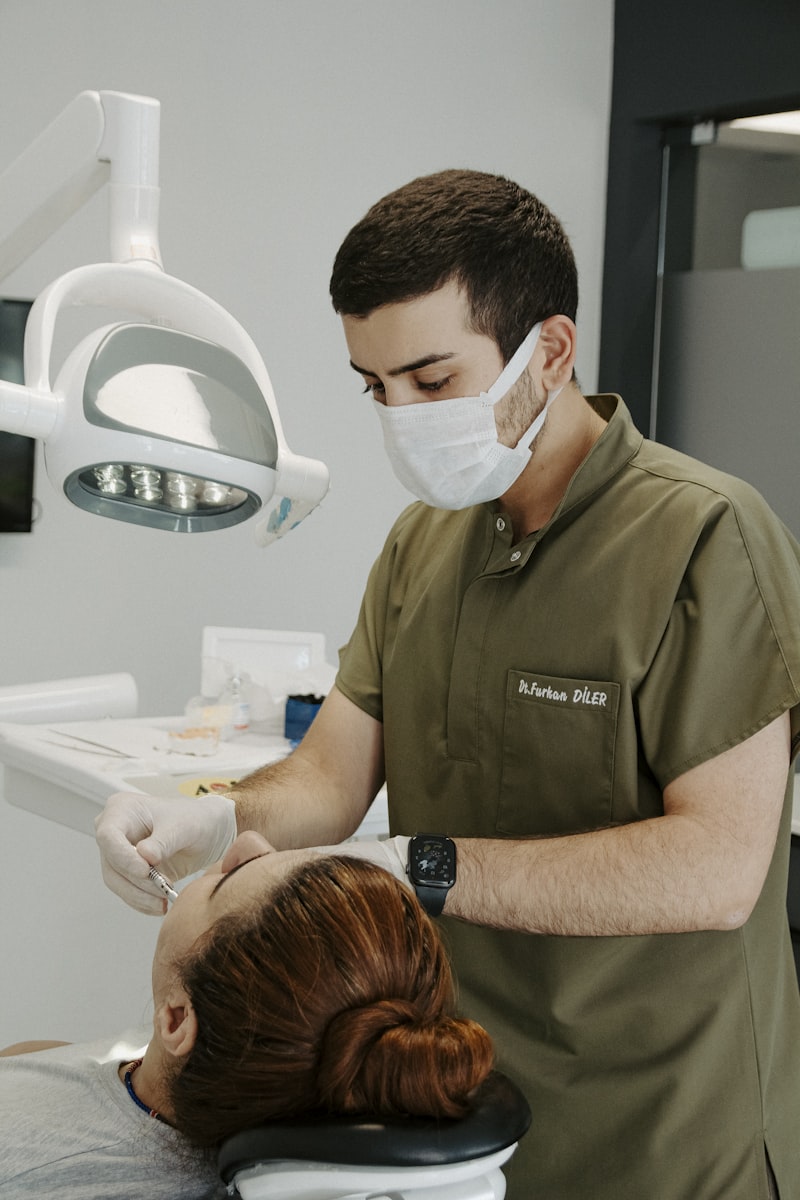
Finding a dental crown in your hand can be an unsettling experience. The good news is that in many cases, a crown that has come off can be re-cemented by your dentist, and in the meantime, there are simple steps you can take to protect the exposed tooth. Here is what you need to know.
Key Takeaways
- •A crown that has come off can often be re-cemented by your dentist. Do not throw it away
- •Clean the crown and try placing it back on the tooth temporarily using denture adhesive or toothpaste
- •Avoid chewing on the exposed tooth and stay away from very hot, cold, or sticky foods
- •See your dentist within a few days. This is not usually an emergency unless there is pain or sharp edges
- •Do not use superglue. Denture adhesive cream is a safer temporary solution
- •If the underlying tooth has decayed, you may need a new crown rather than re-cementing the old one
Why Do Crowns Come Off?
Cement Failure
Dental cement is designed to hold a crown firmly in place, but it does not last forever. Over years of chewing, temperature changes, and exposure to saliva, the bond between the crown and the tooth can gradually weaken. This is one of the most common reasons for a crown to come loose. It does not necessarily mean anything is wrong with the crown or the tooth — the cement has simply reached the end of its functional life.
Decay Underneath the Crown
Although a crown covers and protects the visible part of the tooth, the margin where the crown meets the natural tooth is still vulnerable to decay. If bacteria reach this area, decay can develop underneath the crown, undermining its seal and eventually causing it to loosen or fall off. This is one reason why regular dental check-ups remain important even for crowned teeth — your dentist can spot early signs of marginal decay.
Teeth Grinding (Bruxism)
If you grind or clench your teeth, the excessive lateral forces can loosen crowns over time. Bruxism is particularly damaging because it generates forces far greater than normal chewing. If your crown keeps coming off, your dentist may suggest a night guard to protect both the crown and your other teeth.
Biting Something Hard
Biting unexpectedly on a hard object — an olive stone, a piece of bone, or hard toffee — can dislodge even a well-fitted crown. The sudden impact can break the cement seal in an instant. While this is not always preventable, being cautious with very hard or sticky foods can reduce the risk.
Inadequate Tooth Structure
A crown relies on gripping onto the remaining tooth structure. If the tooth underneath was heavily broken down or filed quite short when the crown was originally prepared, there may not be enough surface area for the cement to achieve a strong, lasting bond. In these cases, the crown may come off repeatedly.
Immediate Steps When Your Crown Falls Off
Temporary measures while waiting for your dental appointment:
- Retrieve and save the crown: Do not throw it away. Rinse it gently with water and keep it in a small container or bag. Your dentist may be able to reuse it.
- Inspect the tooth: Look in a mirror. If the remaining tooth looks intact (no major cracks or dark areas), that is a good sign. If the tooth is broken or painful, seek urgent dental care.
- Clean the crown: Gently remove any old cement from inside the crown using a toothbrush. Do not scrape aggressively as this could damage the inner surface.
- Use temporary dental cement: Products such as Dentemp or Recapit are available from most pharmacies. Apply a small amount inside the crown and carefully place it back onto the tooth. Bite down gently to seat it. This is a temporary measure — not a permanent fix.
- Avoid chewing on that side: Until you see your dentist, eat on the opposite side of your mouth and avoid hard, crunchy, or sticky foods.
- Manage sensitivity: The exposed tooth may be sensitive to hot, cold, or sweet foods and drinks. Over-the-counter sensitive toothpaste (such as Sensodyne) applied directly to the tooth may help.
Need to find a dentist who can see you quickly? Search for available appointments near you.
Do Not Use Superglue
It can be tempting to reach for the superglue, but this is strongly discouraged. Superglue is not designed for oral use and can be toxic. It will also alter the fit of the crown, potentially making it impossible for your dentist to re-cement it properly. Even if it seems to hold initially, it will not provide a lasting or hygienic seal, and the crown may become stuck in the wrong position.
What Your Dentist Will Do
When you visit your dentist with a crown that has come off, they will typically:
- Examine the tooth underneath: They will check for decay, cracks, or other damage. An X-ray may be taken to assess the root and surrounding bone.
- Assess the crown: If the crown is intact and fits well, it can often be cleaned and re-cemented at the same appointment.
- Treat any decay: If there is decay under the crown, this will need to be removed first. Depending on the extent, the tooth may need a new build-up or filling before the crown can be re-fitted.
- Re-cement or remake: If the original crown is suitable, it will be cemented back with fresh dental cement. If it is damaged, worn, or no longer fits due to changes in the tooth, a new crown will need to be made — this typically takes one to two weeks with a temporary crown in the meantime.
Not sure what to do next? Describe your situation in the chat below and we'll help you understand your options.
How Long Can You Wait?
If the tooth is not painful and there is no visible damage or swelling, you can usually wait a few days to see your dentist. Use temporary cement in the meantime and be careful with what you eat. However, do not delay for weeks — the exposed tooth is more vulnerable to decay, sensitivity, and fracture without its protective crown. The sooner you have it re-fitted, the better the outcome.
If you are experiencing severe pain, the tooth is broken, or there is swelling, treat it as a dental emergency and contact your dentist or NHS 111 promptly.
Cost: Re-cementing vs New Crown
The cost will depend on whether the original crown can be saved or a new one is required:
- NHS re-cementation: Falls under Band 1 (£26.80 in England as of 2026), making it very affordable.
- NHS new crown: If a new crown is needed, this is Band 3 treatment (£319.10 in England).
- Private re-cementation: Typically £30–£80, depending on the practice.
- Private new crown: Ranges from around £400 to £1,200 or more, depending on the material (porcelain, zirconia, gold) and the complexity of the case.
If the crown came off due to a fault within the guarantee period of a private crown, your dentist may replace or re-cement it at no additional cost — check your treatment plan or ask at the practice.
Frequently Asked Questions
Can a dental crown be put back on?
Often, yes. If the crown is intact and the tooth underneath is in good condition, your dentist can usually clean both surfaces and re-cement the crown at the same appointment. However, if the tooth has decayed significantly or the crown is damaged, a new crown may be needed. The sooner you see your dentist, the more likely it is that the original crown can be reused.
Is a crown falling off a dental emergency?
A crown falling off is not usually a life-threatening emergency, but it does need attention within a few days. The exposed tooth underneath may be sensitive and is more vulnerable to decay and fracture without its protective crown. If you are experiencing severe pain, swelling, or the tooth has broken, you should seek urgent dental care. Otherwise, contact your dentist for the next available appointment.
Related Articles
Broken Denture: Repair Options and Costs
Why you should never superglue a denture and what to do instead.
Lost a Filling? What to Do Right Now
Temporary measures until you can see a dentist.
Broken Tooth: What to Do and How It's Repaired
Treatment options when the underlying tooth breaks.
Dental Emergency: What Counts and What to Do
Know when dental problems need urgent attention.
Sources
- NHS — Dental crowns: nhs.uk/conditions/dental-crowns
- NHS — Dental costs: nhs.uk/nhs-services/dentists/dental-costs
- British Dental Association — Crowns: bda.org
Last reviewed on 15 April 2026 by Dr Tristan Tinn