Root Canal Treatment: Myths, Facts & What to Expect
Few dental procedures have a worse reputation than the root canal. But is it really as bad as people say?

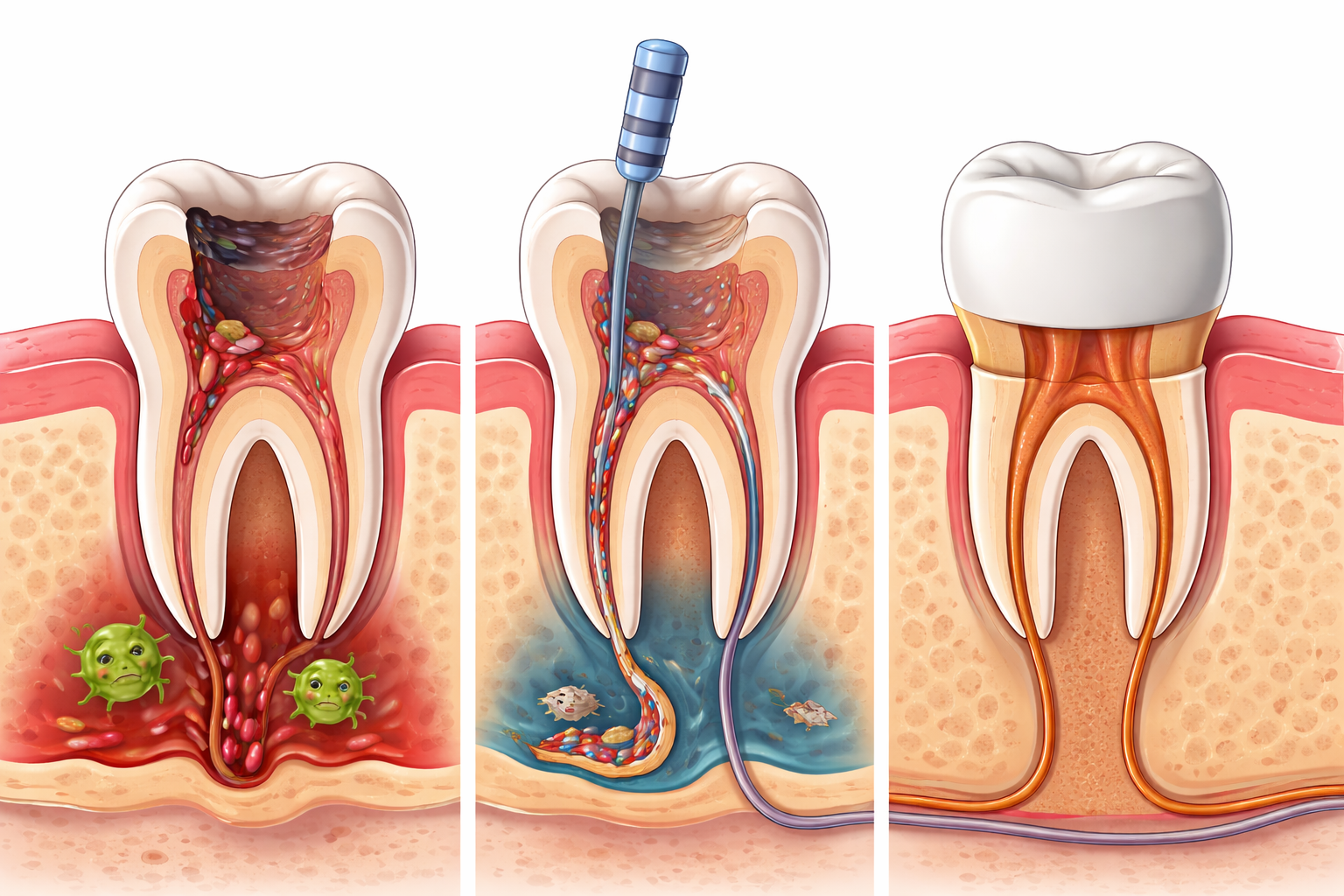
Photo: HelpDental
"I'd rather do anything than have a root canal." Sound familiar? This procedure has become shorthand for something unbearable — but the reality in 2026 is very different from its fearsome reputation.
Key Takeaways
- •Modern root canal treatment is usually no more uncomfortable than having a filling, thanks to local anaesthetic and improved techniques.
- •NHS root canal treatment costs £76.60 under Band 2, while private costs range from £300 to £700 and specialist endodontists charge more.
- •Most root canals are completed in a single 60 to 90 minute appointment, with only complex cases requiring a second visit.
- •Saving your natural tooth is almost always better than extraction, which can lead to shifting teeth, bone loss, and the need for replacements.
- •Many root-treated teeth will need a crown afterwards to protect them from fracturing and restore full function.
What Actually Is a Root Canal?
A root canal (or "endodontic treatment" if your dentist is feeling formal) is a procedure to save a tooth when the soft tissue inside — called the pulp — becomes infected or inflamed.
The pulp contains nerves and blood vessels. When it gets infected (usually through deep decay, a crack, or trauma), it can cause severe pain and, if left untreated, lead to an abscess. A root canal removes the infected pulp, cleans and disinfects the inside of the tooth, then seals it up.
In simple terms: it's a way to save a tooth that would otherwise need to be pulled.
Myth vs Reality
Myth: Root canals are incredibly painful
Reality: Modern root canal treatment is usually no more uncomfortable than having a filling. You'll be given local anaesthetic, so you won't feel pain during the procedure. Most patients say the pain before treatment (from the infected tooth) was far worse than the treatment itself.
Myth: It's better to just have the tooth pulled
Reality: Keeping your natural tooth is almost always preferable. Natural teeth function better than any replacement, and extracting a tooth can lead to other teeth shifting, bone loss, and the need for bridges or implants later.
Myth: Root canals cause illness
Reality: This myth comes from debunked research from the 1920s. There's no valid scientific evidence linking root canal treatment to disease elsewhere in the body. Modern root canals are safe and effective.
Myth: Root canals take forever and need multiple appointments
Reality: Many root canals are completed in a single appointment lasting 60-90 minutes. Some complex cases may need two visits, but lengthy multi-appointment treatments are increasingly rare.
What Happens During Treatment?
Here's what to expect, step by step:
- Numbing: Your dentist will give you local anaesthetic to ensure you're completely comfortable
- Access: A small opening is made in the top of the tooth
- Cleaning: The infected pulp is removed and the canals inside the root are cleaned and shaped
- Filling: The empty canals are filled with a rubber-like material called gutta-percha
- Sealing: The tooth is sealed, often with a temporary filling initially
- Crown (usually): Many root-treated teeth need a crown afterwards to protect them from fracturing
After treatment: Some tenderness for a few days is normal and can be managed with over-the-counter painkillers. Most people return to normal activities the next day.
How Much Does a Root Canal Cost?
UK Costs (2026)
- NHS Band 2: £76.60 (includes all treatment needed at that stage)
- Private (front tooth): £300 – £500
- Private (molar): £400 – £700
- Specialist endodontist: £600 – £1,200
- Crown (if needed): £300 – £800 private, or NHS Band 3 (£332.10)
When Do You Need a Specialist?
Most root canals are performed by general dentists and have excellent success rates. However, you might be referred to an endodontist (root canal specialist) if:
- The tooth has unusual or complex root anatomy
- Previous root canal treatment has failed
- There's significant infection requiring specialist management
- The tooth is difficult to access (e.g., limited mouth opening)
Specialists have additional training and often use microscopes and advanced technology, which can increase success rates for tricky cases.
The Bottom Line
Root canal treatment has come a long way. With modern techniques, proper anaesthesia, and skilled dentists, it's a routine procedure that relieves pain rather than causing it. If your dentist recommends a root canal, try not to let outdated fears put you off — you'll likely be surprised at how straightforward it is.