Broken Tooth: What to Do and How It's Repaired

Dr Tristan Tinn
Founder & Clinical Director
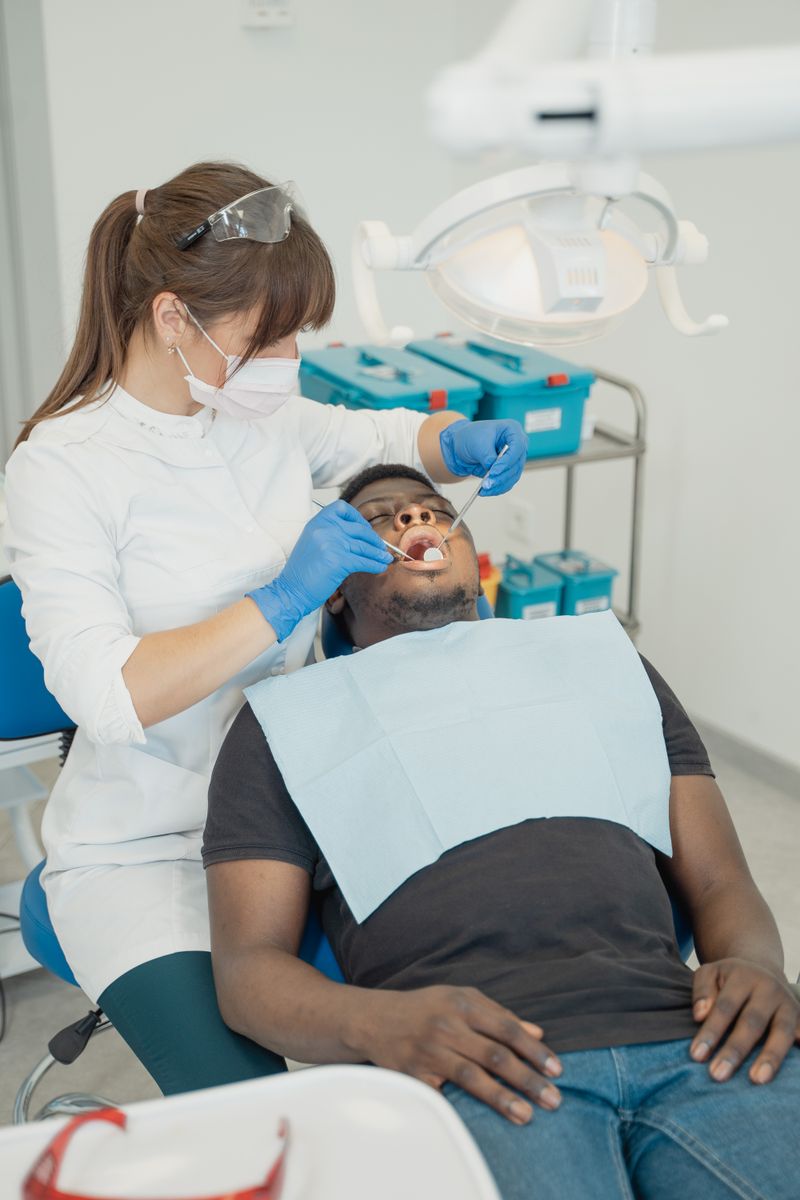
A broken tooth can be alarming. Whether it happened biting into something unexpectedly hard, during a fall, or because untreated decay weakened the tooth over time, the important thing is not to panic. Most broken teeth can be repaired, and knowing what to do immediately can make a real difference to the outcome.
Key Takeaways
- •Most broken teeth can be repaired. See a dentist as soon as possible for the best outcome
- •First aid: rinse with warm water, apply a cold compress, take ibuprofen, and save any large pieces in milk
- •Treatment options include composite bonding, crowns, root canal, or extraction as a last resort
- •NHS Band 2 treatment costs £76.60. Private repair ranges from £100 to £1,500+ depending on severity
- •A broken tooth will not heal on its own. Delaying treatment makes things worse and more expensive
- •Go to A&E only for jaw trauma, severe swelling affecting breathing, or uncontrollable bleeding
First Aid for a Broken Tooth
If your tooth has just broken, staying calm and acting quickly gives you the best chance of a good outcome. Here are the steps to take straight away.
If your tooth has just broken, take these steps straight away:
- Rinse your mouth gently with warm water to clean the area
- Apply a cold compress to the outside of your cheek to reduce swelling — 15 to 20 minutes on, then off
- Take over-the-counter pain relief such as ibuprofen or paracetamol if needed. Avoid aspirin if there is any bleeding, as it can thin the blood
- Save any large pieces of the tooth in milk or saliva — your dentist may be able to use them
- Cover jagged edges with dental wax, sugar-free gum, or a temporary filling material from the pharmacy
- If bleeding, apply gentle pressure with a clean gauze or damp tea bag for 10 to 15 minutes
Important: Do not try to eat on the broken side, and avoid very hot, cold, or sugary foods and drinks, as these can cause severe pain if the inner layers of the tooth are exposed.
Need to find a dentist who can see you quickly? Search for available appointments near you.
Broken vs Chipped: What's the Difference?
While people often use the terms interchangeably, a chipped tooth generally refers to a small piece of enamel breaking off — usually cosmetic and not immediately painful. A broken tooth involves a more significant fracture that may extend into the dentine or pulp, often causing pain and sensitivity.
The key distinction matters because broken teeth typically need more involved treatment and should be seen more urgently. If you can see a dark spot, pinkish tissue, or the tooth is visibly split, it's likely a break rather than a simple chip.
How Broken Teeth Are Repaired
Your dentist will assess the break with a clinical examination and usually an X-ray to see how deep the damage extends. Treatment options include:
Composite Bonding
For smaller breaks where the tooth structure is largely intact, tooth-coloured composite resin can be shaped and bonded to rebuild the missing portion. This is often completed in a single appointment and can produce very natural-looking results.
Dental Crown
When a significant portion of the tooth has broken away, a crown (sometimes called a cap) may be needed. This covers the entire visible portion of the tooth, restoring its shape, strength, and appearance. Crowns can be made from porcelain, metal, or a combination of materials. The process usually involves two appointments — one to prepare the tooth and take impressions, and another to fit the finished crown.
Root Canal Treatment
If the break has exposed or damaged the pulp (the nerve and blood supply inside the tooth), root canal treatment may be necessary before the tooth can be restored. This involves removing the damaged pulp, cleaning and sealing the root canals, and then placing a crown to protect the remaining tooth. While root canal treatment has a reputation for being unpleasant, modern techniques and anaesthesia mean it is usually no more uncomfortable than a standard filling. Read more in our article on root canal myths.
Extraction (Last Resort)
In some cases, the break may be too severe to repair — particularly if it extends below the gum line or involves a vertical fracture through the root. In these situations, extraction may be the only viable option. Your dentist will discuss replacement options such as a dental implant, bridge, or denture. See our guide on missing tooth replacement options.
Not sure which treatment you need? Describe what happened in the chat below and we'll help you understand your options.
NHS vs Private Costs
On the NHS in England, treatment for a broken tooth typically falls under Band 2 (£76.60), which covers fillings, root canal treatment, and extractions. If a crown is needed, it may still be covered under Band 2 if deemed clinically necessary by your NHS dentist. Band 3 (£332.10) applies if more complex treatment such as dentures or bridges is required.
Private treatment costs vary depending on the type of repair and your location:
- Composite bonding: £150 to £400
- Crown: £300 to £900+
- Root canal + crown: £500 to £1,500+
- Extraction: £80 to £300
Many practices offer payment plans to help spread the cost of treatment.
When to See an Emergency Dentist
You should seek same-day dental care if:
- You are in severe pain that is not controlled by over-the-counter painkillers
- There is visible pink or red tissue inside the break (exposed pulp)
- The tooth is very loose or displaced
- There is significant bleeding that will not stop
- You notice facial swelling developing
Contact your dental practice first — many keep emergency slots available. If your practice is closed, call NHS 111 to find an emergency dental service near you. For more guidance, see our dental emergency guide.
A&E or dentist? A&E generally cannot treat dental problems. They can help with severe facial swelling affecting breathing, uncontrollable bleeding, or jaw injuries from trauma. For the tooth itself, you need a dentist.
Can You Prevent Teeth Breaking?
While not all breaks are preventable, you can reduce your risk:
- Attend regular check-ups so decay and cracks can be caught early
- Avoid chewing hard objects like ice, boiled sweets, and popcorn kernels
- Wear a mouthguard for contact sports
- If you grind your teeth, consider a night guard to protect against bruxism damage
- Treat decay promptly — a weakened tooth is far more likely to break
The sooner, the better: Seeing a dentist quickly after breaking a tooth often means simpler, less expensive treatment. A tooth that might need only bonding today could need a crown or extraction if left untreated for weeks.
Related Articles
Chipped Tooth: What to Do Next
First aid and repair options for minor chips.
Cracked Tooth: Why It Hurts When You Bite
Diagnosing and treating hidden cracks.
Knocked-Out Tooth: Emergency Steps
The critical 30-minute window that could save your tooth.
Dental Emergency: What Counts and What to Do
Know when dental damage requires urgent attention.
Sources
- • NHS – Chipped, broken or cracked tooth
- • NHS – NHS dental charges
- • British Dental Association – Patient information
Last reviewed on 15 April 2026 by Dr Tristan Tinn