Chipped Your Tooth? Here's Exactly What to Do Next

Dr Tristan Tinn
Founder & Clinical Director
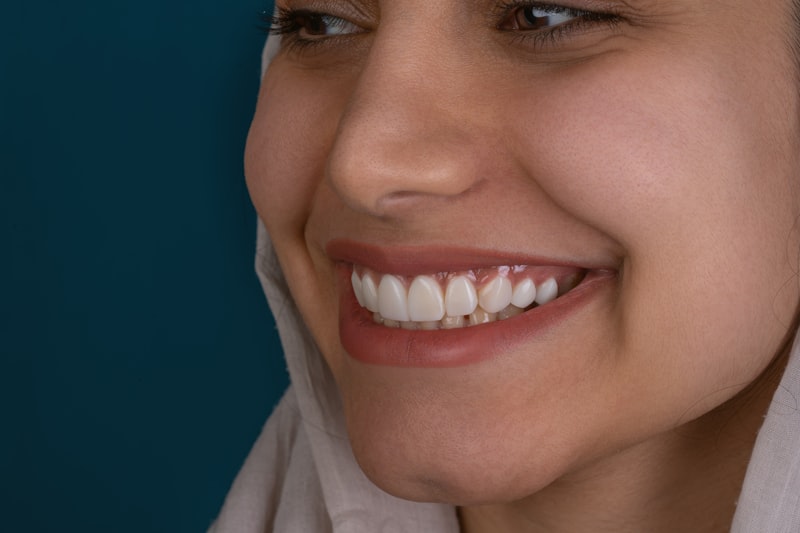
Biting down on something hard, a knock during sport, or even just crunching ice. A chipped tooth can happen to anyone, often when you least expect it. The good news is that most chips can be repaired straightforwardly by your dentist. Here's what to do in the meantime, and what to expect at your appointment.
Key Takeaways
- •Most chipped teeth can be repaired easily with composite bonding, veneers, or crowns
- •Save any pieces in milk. Your dentist may be able to bond them back
- •Cover sharp edges with sugar-free gum or dental wax to protect your tongue
- •NHS repair typically costs £76.60 (Band 2). Private bonding costs £150 to £400 per tooth
- •A chipped tooth will not heal on its own. Enamel cannot regenerate once lost
- •Small painless chips are not urgent, but should still be assessed to prevent further damage
Immediate Steps After Chipping a Tooth
If you've just chipped a tooth, stay calm. Most chips are not dental emergencies. Follow these steps to protect the tooth until you can see a dentist.
- Rinse your mouth with warm water to clean the area and remove any small fragments
- Save any pieces you can find — your dentist may be able to bond them back in some cases. Store them in a small container of milk or saliva
- Cover sharp edges with sugar-free chewing gum, dental wax, or a temporary filling material from the pharmacy to protect your tongue and cheek
- Manage pain with over-the-counter painkillers like ibuprofen or paracetamol, following packet instructions
- Apply a cold compress to your cheek if there is any swelling
- Avoid chewing on that side until your dentist can assess the damage
Tip: Avoid very hot or cold food and drinks, as the exposed tooth structure may be sensitive. Stick to soft, lukewarm foods until you can see a dentist.
Need to find a dentist who can see you quickly? Search for available appointments near you.
Types of Chips: Minor vs Serious
Not all chips are equal. The severity depends on how much tooth structure has been lost and which layers are affected:
Minor Enamel Chip
This is the most common type — a small piece of the hard outer enamel breaks off. You may notice a rough or sharp edge but typically feel little or no pain. While it may not require urgent treatment, you should still see a dentist to smooth the edge and prevent further cracking. Left untreated, even small chips can gradually worsen over time.
Chip Exposing Dentine
If the chip is deeper and reaches the dentine layer beneath the enamel, you may experience sensitivity to hot, cold, or sweet foods and drinks. The exposed area may appear yellowish compared to the white enamel. This type of chip needs prompt attention, as the dentine is softer than enamel and more vulnerable to decay.
Chip Exposing the Pulp
In more severe cases, a chip may expose the pulp — the soft tissue inside the tooth containing nerves and blood vessels. You may notice bleeding from the tooth itself, significant pain, or a pinkish spot at the centre of the break. This is more urgent and may require emergency dental treatment to prevent infection.
When to seek urgent care: If you can see pink or red tissue inside the chip, are experiencing severe pain, or notice swelling, contact your dentist as soon as possible or call NHS 111 for emergency dental advice. You can also find an emergency dentist in London or Leeds through HelpDental. See our guide on handling dental emergencies.
How Your Dentist Can Fix a Chipped Tooth
The treatment your dentist recommends will depend on the size, location, and severity of the chip:
- Smoothing and polishing: For very small enamel chips, your dentist may simply smooth the rough edge. This can often be done in a single short appointment
- Composite bonding: The most common repair for small to moderate chips. Your dentist applies a tooth-coloured resin material, moulds it to match your tooth's natural shape, and hardens it with a special light. This can typically be completed in one visit and results can look very natural
- Porcelain veneer: For larger chips on front teeth, or where cosmetic appearance is a priority, a veneer — a thin shell of porcelain — may be recommended. This usually requires two appointments and tends to be a private treatment option
- Dental crown: If a significant portion of the tooth is missing or the tooth has been weakened, a crown (cap) may be needed to protect and restore it. This involves reshaping the remaining tooth and fitting a custom-made covering
- Root canal treatment: If the chip has exposed or damaged the pulp, root canal treatment may be needed before the tooth can be restored with a crown or filling
Not sure which treatment you need? Describe what happened in the chat below and we'll help you understand your options.
How Much Does It Cost in the UK?
On the NHS in England, a chipped tooth repair typically falls under Band 2 (currently £76.60), which covers treatments such as fillings, bonding, and root canal treatment. A crown may also be included within this band if clinically necessary.
If you choose private treatment, costs can vary considerably depending on the type of repair and where you live. As a rough guide:
- Composite bonding: £150 to £400 per tooth
- Porcelain veneer: £400 to £1,000+ per tooth
- Crown: £300 to £900+ per tooth
Your dentist can discuss the options and help you choose the most appropriate and cost-effective approach. Many practices also offer payment plans to spread the cost.
When Is It Urgent vs When Can It Wait?
Can usually wait a day or two: Small enamel chips with no pain, sensitivity, or sharp edges that are bothering you. Cover the edge with wax or gum and book a routine appointment.
See a dentist soon (same day if possible): Chips with sensitivity, visible dentine, significant pain, or sharp edges cutting your tongue or cheek.
Seek emergency care: Chips with exposed pulp (pink/red tissue visible), severe pain, facial swelling, or if the chip was caused by trauma that may have affected other teeth or your jaw.
Preventing Chipped Teeth
While accidents happen, you can reduce your risk:
- Wear a mouthguard during contact sports
- Avoid chewing ice, hard sweets, pen lids, or other non-food items
- Don't use your teeth as tools to open packets or bottles
- If you grind your teeth at night, ask your dentist about a night guard
- Attend regular dental check-ups so weakened teeth can be identified and treated before they chip
Bottom line: A chipped tooth can usually be repaired quickly and affordably. The sooner you see a dentist, the simpler the repair is likely to be — so don't put it off.
Related Articles
Broken Tooth: What to Do and How It's Repaired
When a chip becomes a break — treatment options and costs.
Cracked Tooth: Why It Hurts When You Bite
Diagnosing and treating hidden cracks in teeth.
Dental Emergency: What Counts and What to Do
Know when dental damage requires urgent attention.
Dental Veneer Problems and What to Do
Common issues with veneers and how to address them.
Sources
- • NHS – Chipped, broken or cracked tooth
- • NHS – NHS dental charges
- • British Dental Association – Patient information
Last reviewed on 15 April 2026 by Dr Tristan Tinn