Broken Denture: Can It Be Repaired and What Are Your Options?

Dr Tristan Tinn
Founder & Clinical Director
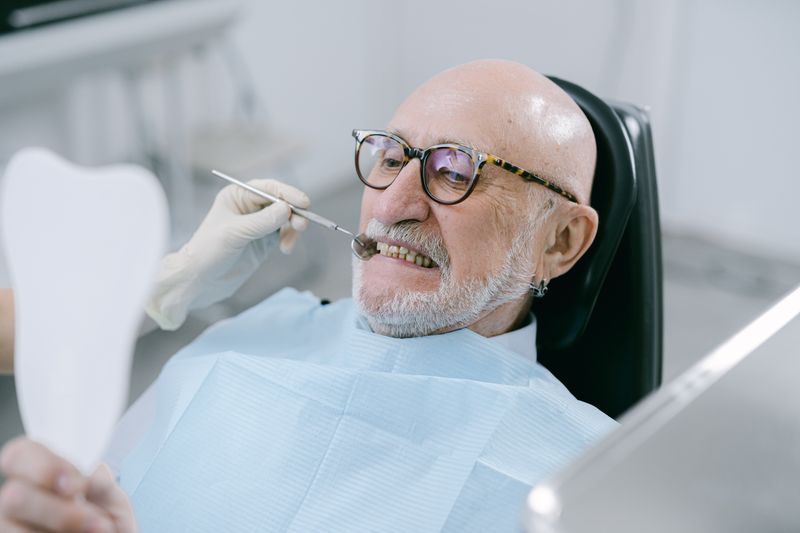
A broken denture can be distressing, especially if you rely on it for eating, speaking, and confidence. Whether it has cracked in half, lost a tooth, or simply stopped fitting properly, your first instinct may be to reach for the superglue. But that is one of the worst things you can do. This guide covers the common types of denture damage, what to do in the immediate aftermath, and your options for getting things sorted.
Key Takeaways
- •Never use superglue on a broken denture. It is toxic, prevents proper repair, and ruins the fit
- •Professional denture repair is usually same-day or next-day and costs £50 to £150 privately
- •NHS denture repair falls under Band 1 (£27.90) if done by your regular dentist
- •A denture that keeps breaking may need replacing rather than repairing
- •Keep broken pieces together and bring them to your dentist. Even cracked-in-half dentures can often be repaired
- •If your denture has stopped fitting well, a reline can restore the fit without replacing the whole denture
Common Types of Denture Damage
Cracked or Fractured Base
The acrylic base of a denture can crack under stress, often splitting cleanly in two along the midline. This commonly occurs when a denture is dropped on a hard surface, or from fatigue over years of daily use. Repeated flexing during chewing can weaken the material until it eventually fractures. A denture that no longer fits well is particularly vulnerable, as an uneven distribution of biting forces can concentrate stress on certain areas.
Lost or Broken Tooth
Individual teeth on a denture can become detached from the base, especially if you bite into something particularly hard. The tooth may come off cleanly or take a small piece of the acrylic with it. This is usually a straightforward repair for a dental laboratory, provided you keep the detached tooth — so save any pieces that come off.
Broken Clasp
Partial dentures (cobalt-chrome or acrylic) have metal or flexible clasps that grip onto your remaining natural teeth. These clasps can bend, snap, or become loose over time, causing the denture to feel insecure or rub against the gum. A broken clasp usually means the denture will not stay in place properly and may need to be repaired or remade.
Poor Fit Causing Stress Fractures
Over time, the shape of your jaw and gums changes — particularly after tooth extractions, as the bone gradually resorbs. A denture that once fitted well may start to rock or feel loose. This movement causes uneven stresses in the acrylic, which can lead to hairline cracks that eventually become a full fracture. If your denture has become loose, having it relined or replaced can help prevent breakage.
What NOT to Do: Avoid Superglue and DIY Repairs
Important: Do not attempt to repair your denture with superglue, household adhesives, or DIY repair kits
- Superglue is toxic: Standard cyanoacrylate adhesives are not designed for use in the mouth and can release harmful chemicals when in contact with saliva and soft tissue.
- It makes professional repair harder: Glue residue changes the fit of the pieces and may mean a dental technician cannot repair the denture at all, leaving you needing a completely new one at greater cost.
- The fit will be wrong: Even a fraction of a millimetre of misalignment caused by glue can change your bite, cause sore spots, and damage your remaining teeth or gums.
- DIY kits are unreliable: Over-the-counter denture repair kits may provide a temporary fix but are not a substitute for professional laboratory repair.
Need to find a dentist who can see you quickly? Search for available appointments near you, or browse NHS dentists in Manchester and other cities.
Can You Repair a Denture Yourself?
When a denture breaks, it is natural to want a quick fix. You may have seen DIY denture repair kits in pharmacies or been tempted to reach for superglue. Here is why neither is a good long-term solution — and what you should do instead.
Superglue and Household Adhesives
Standard superglue (cyanoacrylate) is not safe for use in the mouth. It can irritate the soft tissues of your gums, tongue, and cheeks, and some formulations release small amounts of formaldehyde as they cure. Beyond the health risks, superglue creates a rigid bond that rarely aligns the broken pieces perfectly. Even a tiny misalignment — less than half a millimetre — can throw off your bite, cause painful pressure points, and lead to further damage to your gums or remaining teeth.
Perhaps worst of all, glue residue is extremely difficult to remove. A dental technician may find it impossible to get a clean bond when repairing a denture that has already been superglued, which means you could end up needing a completely new denture at much greater cost.
Over-the-Counter Denture Repair Kits
Pharmacy denture repair kits (such as those by Dentemp or Toofypegs) typically contain a dental-grade acrylic or resin that is safer than superglue. They can provide a temporary fix for a cracked base or a tooth that has come loose, and they are designed to be used in the mouth. However, they have significant limitations:
- The repair is unlikely to be as strong or precise as a professional laboratory repair
- The fit may not be accurate, potentially causing discomfort or sore spots
- They are intended as a short-term measure — typically lasting a few days to a couple of weeks at most
- Repeated DIY repairs can make the denture progressively harder for a professional to fix properly
If you do use a repair kit as a stopgap, treat it as exactly that — a temporary measure until you can see your dentist. Do not delay booking an appointment because the DIY fix seems to be holding.
Why Professional Repair Is Always Better
A dental technician uses professional-grade acrylic and specialised equipment to repair dentures. They can achieve a precise fit, restore the correct bite alignment, and ensure the repair is durable. Many repairs can be completed on the same day, so you are not without your denture for long. The cost of a professional repair — from £26.80 on the NHS — is far less than the cost of a replacement denture if a DIY repair goes wrong.
Emergency Temporary Measures
While waiting for a dental appointment, there are a few safe steps you can take:
- Keep all the pieces: If your denture has broken into parts, save every piece and bring them to your dentist. Even a small fragment can help the technician achieve a better repair.
- Use denture fixative: If the denture is cracked but still in one piece, a small amount of denture adhesive (such as Fixodent or Poligrip) may help hold it together temporarily while you eat soft foods.
- Eat carefully: Stick to soft foods and avoid chewing on the damaged side. Cut food into small pieces and chew slowly.
- Contact your dentist promptly: Most dental practices can arrange urgent denture repairs, often with a same-day or next-day turnaround through their dental laboratory.
Emergency Denture Repair: What to Do Outside Normal Hours
Dentures have an unfortunate habit of breaking at the worst possible time — on a Friday evening, over a bank holiday weekend, or just before an important event. If your denture breaks outside normal dental hours, here is what to do.
Call NHS 111
If you need urgent dental advice outside normal hours, call NHS 111 (or 0300 311 22 33 in Wales). They can assess your situation over the phone and, if needed, direct you to an emergency dental service in your area. Emergency dental clinics operate on evenings and weekends in most parts of the UK, though availability varies by region.
Emergency Dental Services
Out-of-hours dental clinics can provide temporary repairs to get you through until your regular dentist is available. They may be able to smooth sharp edges, provide a temporary reline, or make adjustments so the denture is wearable in the short term. A full laboratory repair will usually need to wait until your own dentist can arrange it.
Same-Day Private Repair Services
Some private dental practices and dental laboratories offer same-day emergency denture repair services, including on Saturdays. These services typically cost between £80 and £150 depending on the complexity of the repair and the urgency. If you rely heavily on your denture and cannot wait, this can be a worthwhile option. Search online for “emergency denture repair near me” or “same day denture repair” to find local providers.
Looking for emergency dental help?
Use our dentist search to find practices near you with available appointments, including dentists in Birmingham and other major cities. You can filter by emergency availability and check which practices accept NHS patients.
Professional Repair Options
Same-Day Laboratory Repair
Many dental practices work with laboratories that can repair a broken denture on the same day. Common repairs include re-bonding a fractured base, replacing a lost tooth, and reattaching or replacing a clasp. The dentist will take an impression if needed and send the denture to the lab, often having it back for you by the end of the day or the following morning.
Reline
If the denture is breaking due to a poor fit, a reline can help. This involves adding new acrylic material to the fitting surface of the denture to improve how it sits against your gums. A reline can extend the life of an otherwise serviceable denture by several years and may also improve comfort and retention.
New Denture
If the denture is very old, has been repaired multiple times, or the damage is too extensive, your dentist may recommend a new denture. This typically involves several appointments over a few weeks for impressions, bite registration, try-in, and final fitting. A new denture can be a worthwhile investment if your current one is well past its best.
Not sure what to do next? Describe your situation in the chat below and we'll help you understand your options.
How Much Does Denture Repair Cost?
The cost of repairing a broken denture depends on whether you go through the NHS or a private dentist, and on the type of repair needed. Here is a detailed breakdown to help you plan.
NHS Denture Repair Costs
On the NHS in England, denture repairs are classified under Band 1 treatment, which costs £26.80 as of 2026. This covers:
- Repairing a cracked or fractured denture base
- Replacing a lost or broken tooth on the denture
- Reattaching or replacing a broken clasp
- Adding a tooth to an existing denture (for example, if you have had a natural tooth extracted)
- Minor adjustments to improve fit and comfort
If a completely new denture is required because the existing one is beyond repair, this falls under Band 3 treatment at £319.10. This covers the full cost of the new denture regardless of whether it is a partial or complete denture, and regardless of the material used.
Private Denture Repair Costs
Private denture repair costs vary depending on the type of repair and the dental practice or laboratory:
- Simple repair (re-bonding a clean break, replacing a single tooth): £50–£100
- Complex repair (multiple fractures, clasp replacement, adding teeth): £100–£150
- Reline (adding new acrylic to the fitting surface for a better fit): £150–£300
- Emergency same-day repair (outside normal hours or with rush service): £80–£150
- New private denture: From around £300 for a basic acrylic denture to £1,500 or more for a premium cobalt-chrome or flexible denture
NHS vs Private Denture Repair: Which Should You Choose?
For most straightforward denture repairs, the NHS offers excellent value at £26.80. However, there are situations where private treatment may be worth considering:
- Speed: NHS dental appointments can have waiting times of several weeks in some areas. If you need your denture repaired urgently and cannot get an NHS appointment quickly, a private dentist or laboratory may see you the same day or next day.
- No NHS dentist available: In many parts of England, NHS dental places are difficult to find. If you are not currently registered with an NHS dentist, getting an appointment specifically for a denture repair can be challenging. Private practices typically accept new patients readily.
- Premium materials: Private repairs may use higher-grade materials or techniques, though for a simple repair the difference is often negligible.
- Convenience: Some private dental laboratories accept walk-in repairs without needing a dentist appointment first, which can save time.
If you are already registered with an NHS dentist, start there — the cost saving is significant, and the quality of repair through an NHS dental laboratory is generally very good.
Help with dental costs
If you receive certain benefits (such as Income Support, Universal Credit, or Pension Credit), you may be entitled to free NHS dental treatment. You can also apply for the NHS Low Income Scheme, which provides an HC2 certificate for full help or an HC3 certificate for partial help with dental charges. Ask at your dental practice or visit nhs.uk/help-with-health-costs for details.
Note: NHS charges apply in England as of 2026. Charges in Wales, Scotland, and Northern Ireland differ.
How to Prevent Dentures from Breaking
Prevention is always better (and cheaper) than repair. With the right habits, you can significantly reduce the risk of your denture breaking.
Handle with Care
The most common cause of denture breakage is dropping them. Dentures are surprisingly fragile — a fall onto a hard bathroom floor or into a porcelain sink can easily crack the acrylic base. Always handle your denture over a folded towel, a basin of water, or a soft surface. If you clean them over a sink, fill the basin with a few inches of water first to cushion any accidental drops.
Store Them Properly
When you are not wearing your denture, store it in water or a denture soaking solution. Acrylic can dry out if left in the open air, which makes it more brittle and prone to cracking. Avoid leaving dentures wrapped in tissue — they are easily mistaken for rubbish and thrown away, and the tissue does nothing to keep the material hydrated.
Clean Them Daily (But Gently)
Clean your denture every day using a soft denture brush and either denture cleaning solution or mild soap and water. Do not use regular toothpaste, which contains abrasive particles that can scratch the acrylic surface, weaken it over time, and create tiny grooves where bacteria can accumulate. Avoid using boiling water, which can warp the shape of the denture.
Attend Regular Dental Check-ups
Even if you have no natural teeth, regular dental check-ups are important. Your dentist will check the fit of your denture, look for signs of wear or hairline cracks, and assess the health of your gums and jawbone. A denture that no longer fits well places uneven stresses on the acrylic, making fractures much more likely. Catching a poor fit early and having the denture relined can prevent a break.
Most dentists recommend a check-up every 12 months for denture wearers, even if everything feels fine.
Watch for Warning Signs
There are several signs that your denture may be at risk of breaking:
- Looseness or rocking: A denture that moves when you chew or speak is under uneven stress and more likely to fracture
- Visible cracks or hairlines: Even tiny cracks can develop into a full break under biting pressure
- Sore spots or rubbing: These can indicate the fit has changed, putting stress on certain areas of the denture
- Discolouration or rough texture: These are signs of material degradation that can weaken the acrylic
- Clicking or unusual sounds: This may indicate the denture is not sitting properly against the gums
If you notice any of these signs, book an appointment with your dentist sooner rather than later. A timely adjustment or reline is far less costly and inconvenient than a full repair or replacement.
When to Replace vs Repair
As a general guide, consider replacement rather than repair if:
- The denture is more than 7–10 years old and has been repaired several times
- The fit has deteriorated significantly and a reline alone will not solve the problem
- The teeth on the denture are heavily worn, making chewing less effective
- You have lost additional natural teeth since the denture was made, requiring a redesign
- The acrylic has become discoloured or porous despite regular cleaning
Alternatives to Dentures
If repeated denture problems are causing frustration, it may be worth considering longer-term alternatives:
- Dental implants: Implants are titanium posts placed into the jawbone that can support individual crowns, bridges, or even implant-retained dentures. They offer a stable, long-lasting solution but involve surgery and a higher upfront cost.
- Dental bridges: If you have healthy teeth on either side of a gap, a bridge may be an option to replace one or more missing teeth without a removable appliance.
- Implant-retained dentures: These combine the coverage of a denture with the stability of implants. Typically two to four implants are placed in the jaw, and the denture clips securely onto them, eliminating the rocking and slipping that conventional dentures can suffer from.
Frequently Asked Questions
Can a broken denture be fixed?
In many cases, yes. Common repairs such as fixing a cracked base, replacing a lost tooth, or reattaching a broken clasp can often be completed by a dental laboratory on the same day. Your dentist will assess the damage and determine whether a repair is feasible or whether a new denture is needed. Very old or repeatedly broken dentures may be beyond economic repair.
How much does denture repair cost on the NHS?
On the NHS in England, denture repairs fall under Band 1 treatment, which costs £26.80 as of 2026. If a completely new denture is needed, this is classified as Band 3 treatment at £319.10. In Wales, Scotland, and Northern Ireland, NHS charges differ. If you receive certain benefits, you may be entitled to free NHS dental treatment through the NHS Low Income Scheme.
How much does private denture repair cost?
Private denture repairs typically cost between £50 and £150, depending on the complexity. A simple repair such as re-bonding a clean break might cost £50–£100, while more complex repairs involving clasp replacement or multiple fractures can reach £150. A full reline to improve the fit costs £150–£300. Emergency or same-day services may charge a premium.
Can you repair a denture yourself with superglue?
No, and this is strongly advised against. Superglue is toxic and not designed for use in the mouth. It can irritate your gums and soft tissues, alter the fit of the denture causing bite problems and sore spots, and leave residue that makes professional repair more difficult or even impossible. Over-the-counter denture repair kits from pharmacies are a safer temporary option, but they are not a substitute for professional laboratory repair.
What should I do if my denture breaks on a weekend?
Call NHS 111 for advice and to be directed to an emergency dental service in your area. Many parts of the UK have out-of-hours dental clinics that operate on evenings and weekends. Some private dental practices and laboratories also offer same-day emergency repairs, including on Saturdays. In the meantime, keep all the broken pieces, use denture adhesive to hold a cracked denture together temporarily, and stick to soft foods.
How long does a denture repair take?
Many denture repairs can be completed on the same day. Your dentist will take an impression if needed and send the denture to their dental laboratory. Straightforward repairs — such as fixing a clean break or replacing a single tooth — are often turned around within a few hours. More complex repairs or a full reline may take one to two days.
How can I stop my dentures from breaking?
Handle your dentures over a soft surface or basin of water to cushion any drops. Store them in water or denture solution overnight to prevent the acrylic drying out and becoming brittle. Clean them daily with a soft denture brush — avoid regular toothpaste, which is abrasive. Attend regular dental check-ups so your dentist can spot poor fit, wear, or hairline cracks before they lead to a full break.
Related Articles
Missing Tooth: Your Replacement Options
Implants, bridges, and dentures compared.
Dental Implants Cost UK: What to Expect
A breakdown of implant costs and funding options.
Crown Fell Off? Here's What to Do
Immediate steps and repair options for a loose crown.
NHS vs Private Dentist: Which Is Right for You?
Understand the differences in cost and treatment.
Sources
- NHS — Dentures (false teeth): nhs.uk/conditions/dentures
- NHS — Dental costs: nhs.uk/nhs-services/dentists/dental-costs
- British Dental Association — Dentures: bda.org
Last reviewed on 15 April 2026 by Dr Tristan Tinn