Tooth Extraction Recovery: Day-by-Day Timeline and Tips

Dr Tristan Tinn
Founder & Clinical Director
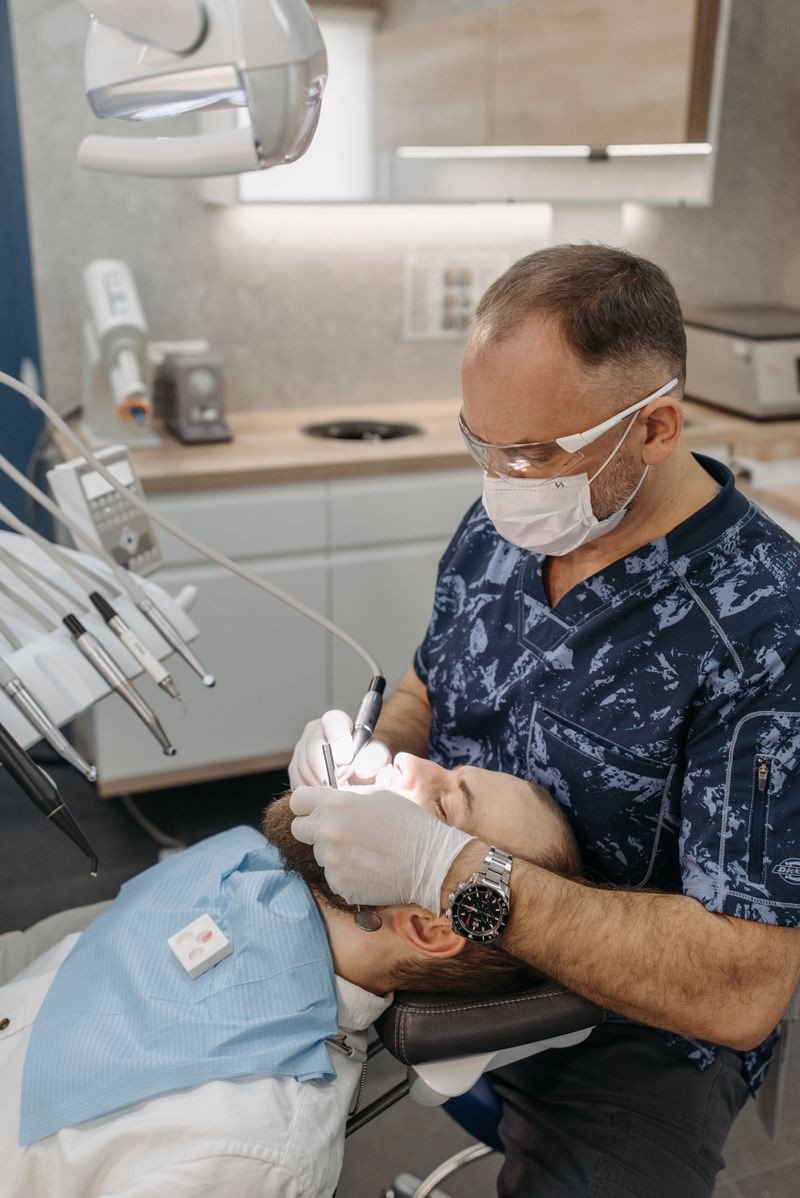
Whether you've had a wisdom tooth removed, a damaged tooth extracted, or a tooth taken out ahead of orthodontic treatment, knowing what to expect during recovery can make the healing process much less stressful. Here's a detailed day-by-day guide to help you through it.
Key Takeaways
- •Do not rinse, spit, or use a straw for the first 24 hours. This can dislodge the blood clot
- •Bite on gauze for 20 to 30 minutes after extraction to help the clot form
- •Avoid smoking for at least 48 hours. Smoking is the biggest risk factor for dry socket
- •Take ibuprofen and paracetamol as directed. Do not take aspirin as it can increase bleeding
- •Eat soft foods for the first few days. Gradually return to normal diet as healing progresses
- •Full healing takes 1 to 2 weeks for simple extractions. Wisdom teeth may take longer
Day 1: The First 24 Hours
The first day is the most important for establishing good healing. A blood clot needs to form in the empty socket — this clot protects the underlying bone and nerve endings, and is essential for proper healing.
- Bleeding: Some oozing is completely normal for the first few hours. Your dentist will place a gauze pad over the socket — bite down on it firmly for 20 to 30 minutes. If bleeding continues, replace with a fresh gauze pad and apply firm pressure for another 30 minutes. A slightly pink tinge to your saliva may persist for 24 hours.
- Rest: Take it easy for the remainder of the day. Keep your head elevated (use an extra pillow when sleeping) to help reduce bleeding and swelling.
- Pain: Once the anaesthetic wears off (2 to 4 hours), take painkillers before the numbness fully fades. Ibuprofen and paracetamol together are often the most effective combination — follow packet instructions.
- Diet: Stick to soft, cool or lukewarm foods — yoghurt, soup (not too hot), smoothies, mashed potato, scrambled eggs. Avoid hot foods and drinks.
- Avoid: Do not rinse, spit forcefully, use a straw, smoke, or drink alcohol for at least 24 hours. Any of these can dislodge the blood clot.
Important: Do not exercise or do any strenuous physical activity for at least 24 hours after an extraction. Increased blood pressure and heart rate can cause the socket to start bleeding again.
Need a follow-up appointment or concerned about your recovery? Find a dentist near you.
Days 2-3: Swelling Peaks
Swelling is a normal part of the body's healing response and typically peaks around 48 to 72 hours after the extraction. This is particularly common after surgical extractions or wisdom tooth removal.
- Swelling management: Apply a cold compress or ice pack to the outside of your cheek — 20 minutes on, 20 minutes off — during the first 24 to 48 hours. After 48 hours, switch to warm compresses if swelling persists.
- Saltwater rinses: Starting from 24 hours after the extraction, gently rinse with warm salt water (half a teaspoon of salt in a glass of warm water) after meals. Let the water flow gently over the socket — don't swish vigorously.
- Bruising: Some people develop bruising on the cheek or jaw, which is harmless and resolves on its own over a week or so.
- Diet: Continue with soft foods but you can gradually introduce slightly more texture — pasta, fish, well-cooked vegetables.
Tip: If you were prescribed antibiotics, complete the full course even if you feel fine. Stopping early can allow bacteria to become resistant and the infection to return.
Days 4-7: Steady Improvement
By now, you should notice a clear improvement. Swelling begins to subside, pain decreases noticeably, and the socket starts to look less raw.
- Stitches: If your dentist used dissolvable stitches, they typically begin to dissolve around days 5 to 7. Don't pull at them — let them come away naturally.
- Socket appearance: The socket may look whitish or yellowish — this is normal healing tissue (granulation tissue), not infection. Don't confuse it with pus.
- Oral hygiene: You can begin gently brushing closer to the extraction site, being careful not to disturb the clot. Continue saltwater rinses.
- Activity: Most people feel well enough to return to work or normal activities within 2 to 3 days for a simple extraction, or 5 to 7 days for a surgical one.
Wondering if your recovery is on track? Describe what you're experiencing in the chat below and we can help you work out if it's normal healing.
Weeks 2-4: Socket Closing
The soft tissue over the socket continues to heal and close during this period. The gum should look increasingly pink and healthy. You may still notice a slight indentation where the tooth was, which is normal.
You can generally eat most foods normally by this point, though you may want to avoid very hard or crunchy items directly over the extraction site until the gum has fully closed.
Full Healing: 3-6 Months
While you'll feel back to normal within a couple of weeks, complete bone remodelling in the socket takes 3 to 6 months. This is relevant if you're planning to have a dental implant placed in the extraction site — your dentist will advise on the appropriate waiting period. In some cases, a bone graft may be placed at the time of extraction to preserve the bone volume for a future implant.
What to Eat (and What to Avoid)
Good choices for the first few days:
- Yoghurt, smooth porridge, and smoothies (without using a straw)
- Mashed potato, soft pasta, and well-cooked rice
- Scrambled eggs, soft fish, and slow-cooked meat
- Soups and broths (lukewarm, not hot)
- Banana, avocado, and other soft fruits
Avoid for at least a week:
- Crisps, nuts, popcorn, and crusty bread
- Spicy foods that may irritate the socket
- Very hot foods and drinks
- Foods with small seeds (strawberries, sesame) that could lodge in the socket
- Fizzy drinks
Complications to Watch For
Most extractions heal without problems, but it's important to know the warning signs:
Dry Socket (Alveolar Osteitis)
Dry socket occurs when the blood clot is lost or fails to form, leaving the bone exposed. It typically develops 2 to 4 days after extraction and causes a severe, radiating pain that is noticeably worse than the initial post-extraction discomfort. You may also notice a bad taste or smell. Dry socket is more common after lower wisdom tooth extractions and in smokers. Your dentist can treat it by placing a medicated dressing in the socket.
Infection
Signs of infection include increasing pain after the first few days (rather than decreasing), swelling that worsens, pus discharge, fever, or a foul taste. Contact your dentist promptly if you notice these symptoms — antibiotics may be needed.
Prolonged Bleeding
If bleeding doesn't stop after several hours of firm gauze pressure, or restarts heavily after initially stopping, contact your dentist or NHS 111 for advice. Our guide on bleeding after tooth extraction covers what's normal and when to worry in more detail.
When to see a dentist: Contact your dentist if you experience severe pain that isn't controlled by painkillers, swelling that worsens after day 3, a fever, persistent bleeding, or numbness that hasn't resolved after 24 hours. For wisdom tooth extractions, some numbness in the lip or tongue can occasionally persist — your dentist should be informed.
Bottom line: Tooth extraction recovery is straightforward for most people. Follow the aftercare instructions, be gentle with the area, avoid smoking, and don't hesitate to contact your dentist if something doesn't feel right. The first 48 hours are the most critical — after that, things get steadily better.
Related Articles
Sources
- • NHS – Wisdom tooth removal: Recovery
- • NHS – Having a tooth out
- • Oral Health Foundation – Patient information
Last reviewed on 15 April 2026 by Dr Tristan Tinn