Missing Tooth? Understanding Your Replacement Options

Dr Tristan Tinn
Founder & Clinical Director
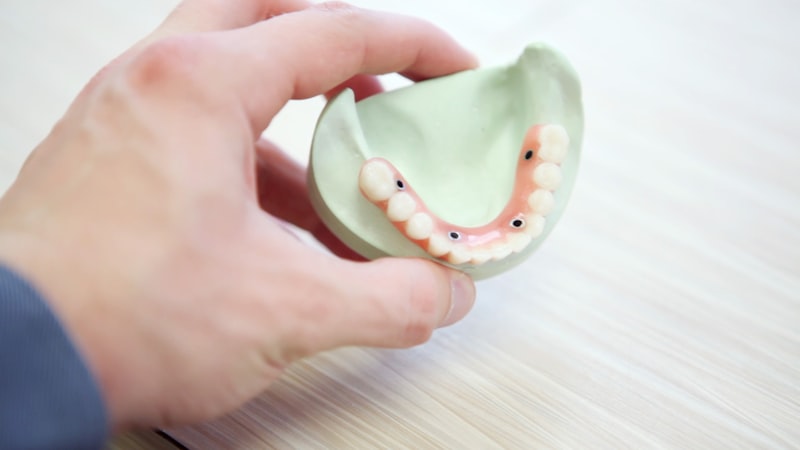
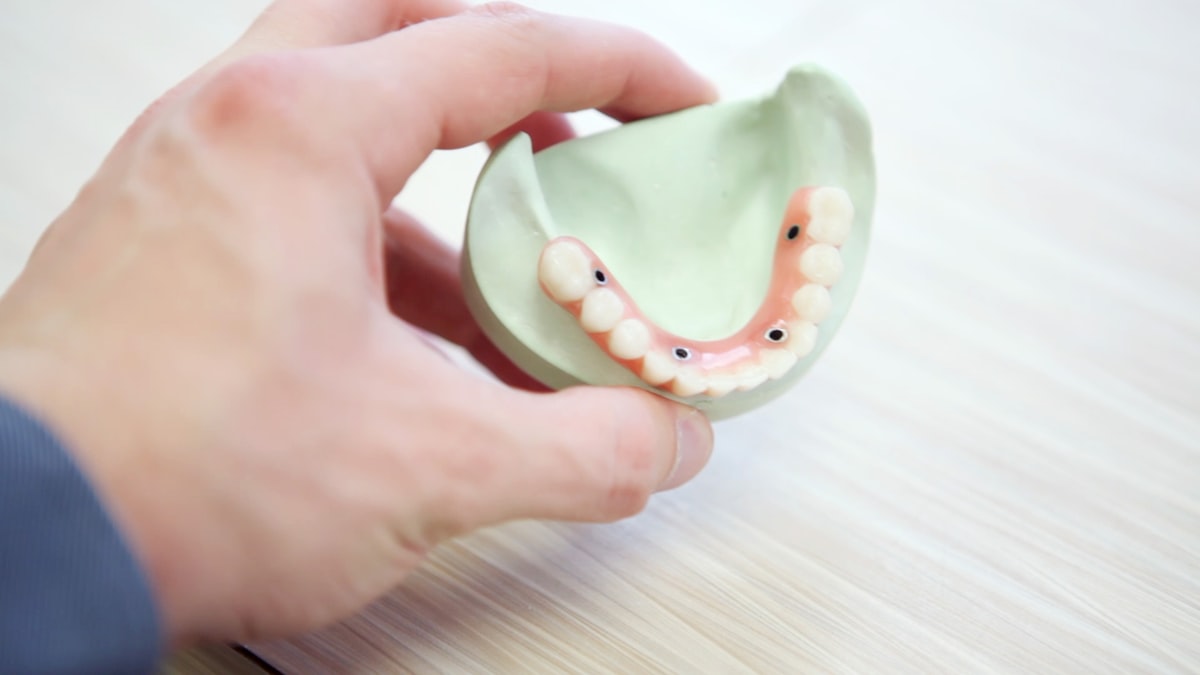
Photo: Unsplash
Whether through decay, gum disease, or injury, losing a tooth can be distressing. The good news is there are several effective options for replacing it. Here's how they compare.
Key Takeaways
- •Dental implants (£2,000 to £3,500) are the gold standard. They prevent bone loss and can last a lifetime
- •Dental bridges (£500 to £1,500) are fixed in place and feel like natural teeth. They last 10 to 15 years
- •Dentures (£300 to £800+) are the most affordable option and can replace multiple teeth at once
- •Leaving a gap causes neighbouring teeth to drift, bone loss, and can affect your bite
- •The NHS provides dentures and some bridges, but implants are rarely available on the NHS
- •The sooner you replace a missing tooth, the simpler and cheaper the treatment
Why Replace a Missing Tooth?
Replacing a missing tooth is not just about how it looks. Leaving a gap can cause real problems over time, including changes to your bite and further tooth loss.
Beyond aesthetics, replacing a missing tooth is important because:
- Neighbouring teeth can drift into the gap, affecting your bite
- The opposing tooth can over-erupt without anything to bite against
- Bone loss occurs in the jaw where the tooth root is missing
- It can affect your ability to chew and speak properly
Option 1: Dental Implants (£2,000 to £3,500)
A dental implant is a titanium post surgically placed into the jawbone, where it fuses with the bone over several months (a process called osseointegration). A crown is then attached on top, creating a replacement that looks and functions like a natural tooth.
Pros
- • Looks and feels like a natural tooth
- • Doesn't affect neighbouring teeth
- • Prevents bone loss
- • Can last a lifetime with care
Cons
- • Most expensive option (£2,000-£3,500+)
- • Requires surgery
- • Treatment takes several months
- • Not suitable for everyone
Option 2: Dental Bridge (£500 to £1,500)
A dental bridge is a replacement tooth held in place by attaching to your neighbouring teeth. Traditional bridges use crowns on either side, but there is also a more conservative option called a resin-bonded bridge (or "sticky bridge") that bonds to the back of adjacent teeth with minimal or no drilling.
Pros
- • Looks natural
- • Fixed in place (not removable)
- • Quicker treatment than implants
- • Less expensive (£500-£1,500)
- • Resin-bonded bridges preserve healthy teeth
Cons
- • Traditional bridges require shaping adjacent teeth
- • Doesn't prevent bone loss
- • May need replacing after 10-15 years
- • Needs good oral hygiene to clean underneath
Option 3: Dentures (£300 to £800+)
Dentures are removable replacement teeth. You can get a partial denture for one or a few missing teeth, or full dentures replacing all teeth. There are several types to choose from:
- Acrylic dentures: The most common and affordable option. Lightweight plastic that can be easily adjusted
- Cobalt chrome dentures: A metal framework with plastic teeth. Thinner, stronger, and more comfortable than acrylic – often the preferred choice for partial dentures
- Flexidentures: Flexible, lightweight dentures made from a soft nylon material. No metal clasps, so they're more discreet and comfortable for many people
Pros
- • Most affordable option (£300-£800+)
- • No surgery needed
- • Can replace multiple teeth at once
- • Easy to repair or adjust
Cons
- • Removable – can feel less secure
- • Takes time to get used to
- • Need to take out and clean daily
- • Doesn't prevent bone loss
Next step: Book a consultation to discuss which option suits your situation, budget, and oral health. Search for dentists near you who offer tooth replacement treatments.
NHS vs Private Tooth Replacement
The NHS provides dentures and some types of bridges under Band 3 (£332.10). Dental implants are rarely available on the NHS, typically only in cases of facial trauma, cancer treatment, or congenital conditions. Most patients need to go private for implant treatment.
Many private practices offer payment plans to help spread the cost. For a detailed comparison, see our guide to NHS vs private dental care.
Frequently Asked Questions
What happens if you do not replace a missing tooth?
Neighbouring teeth drift into the gap, the opposing tooth over-erupts, bone loss occurs in the jaw, and your bite can change. These problems worsen over time and make future replacement more complex and expensive.
How long does a dental implant take from start to finish?
The full process typically takes 3 to 9 months. After the titanium post is placed, it needs 3 to 6 months to fuse with the jawbone. If a bone graft is needed first, add another 3 to 6 months.
Can you get a dental implant years after losing a tooth?
Yes, but the longer you wait, the more bone loss occurs. This may mean you need a bone graft before an implant can be placed, adding time and cost. It is best to discuss replacement options sooner rather than later.
Do dental implants hurt?
Implant surgery is carried out under local anaesthetic, so you should not feel pain during the procedure. Most patients report less discomfort than expected, typically manageable with over-the-counter painkillers. Sedation is available for anxious patients.
Are dental bridges better than dentures?
Bridges are fixed in place and feel more like natural teeth. Dentures are removable but more affordable and can replace multiple teeth at once. The best choice depends on how many teeth are missing, your oral health, and your budget.
Can the NHS replace a missing tooth?
The NHS provides dentures and some bridges under Band 3 (£332.10). Implants are rarely available on the NHS. See our NHS vs private guide for full details.
Related Articles
Sources
- • NHS – Dentures
- • Association of Dental Implantology – Implant information
Last reviewed on 15 April 2026 by Dr Tristan Tinn