NHS vs Private Dentistry: What's the Difference?

Dr Tristan Tinn
Founder & Clinical Director

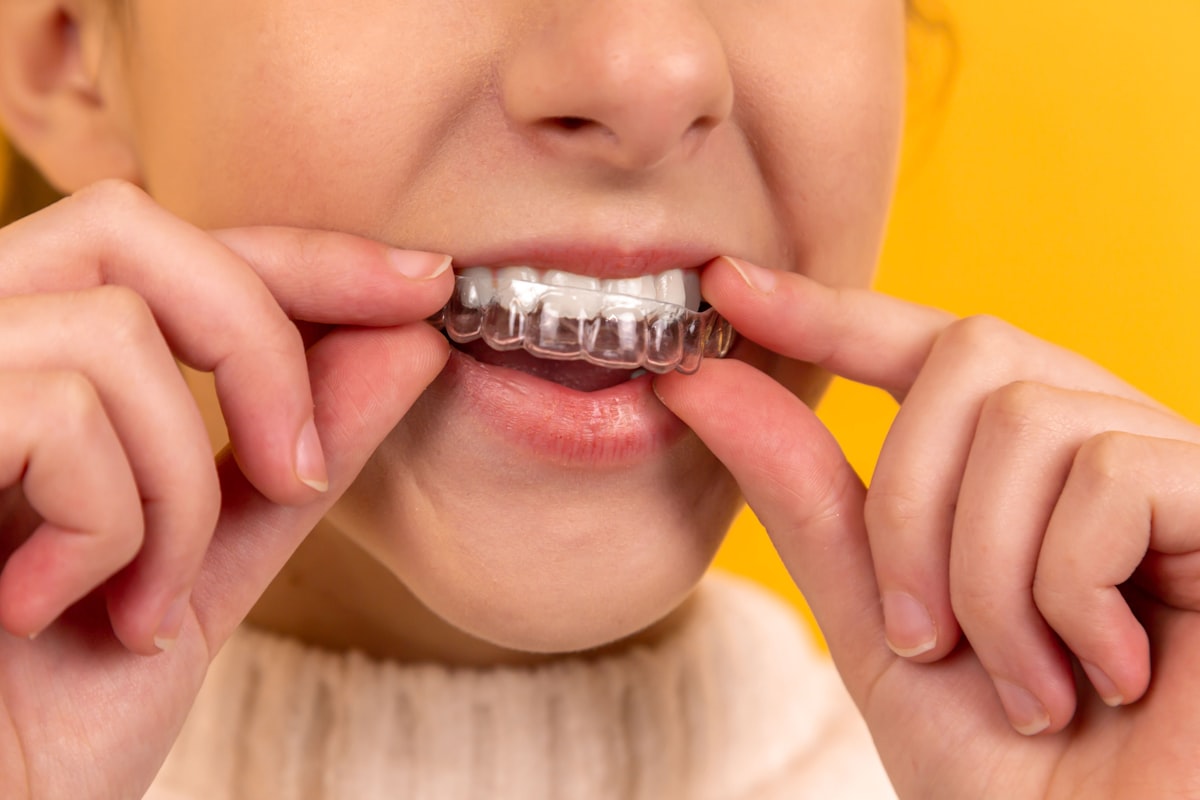
Photo: Quang Tri Nguyen / Unsplash
Should you go NHS or private? It's one of the most common questions patients ask, and the answer isn't always straightforward. Both options have their place, and many people use a combination of the two. Here's what you need to know.
Key Takeaways
- •NHS dental care is subsidised and uses fixed band pricing (£26.80 to £319.10 per course of treatment).
- •Private check-ups cost £40 to £140 but offer longer appointments, more material choices, and shorter waits.
- •You can mix NHS and private. Many people use NHS for basics and private for cosmetic work.
- •NHS and private dentists are held to the same professional and regulatory standards.
- •Dental plans (£15 to £30/month) can spread private costs and include check-ups and hygiene visits.
NHS Dental Care
The NHS provides dental treatment that's "clinically necessary." This means treatment your dentist considers essential for your oral health. It's subsidised by the government, making it more affordable for most people.
NHS Dental Charges (England, 2026)
| Band | Cost | What's Included |
|---|---|---|
| Band 1 | £26.80 | Examination, diagnosis, X-rays, scale and polish if needed, prevention advice |
| Band 2 | £73.50 | Everything in Band 1, plus fillings, extractions, root canal treatment |
| Band 3 | £319.10 | Everything in Bands 1 and 2, plus crowns, dentures, bridges |
Free NHS dental care is available for: under-18s, under-19s in full-time education, pregnant women and new mothers (up to 12 months after birth), and those on certain benefits. Check if you qualify for help with the NHS Low Income Scheme. For the latest figures on who is and isn't getting an NHS appointment, see our NHS dentistry access statistics 2026.
Private Dental Care
Private dentistry operates outside NHS contracts. Dentists set their own fees, and you pay the full cost of treatment. In return, you typically get more time, more choices, and faster access.
- Shorter waiting times: Often appointments within days rather than weeks
- Longer appointments: More time for thorough examinations and discussions
- Wider treatment options: Including cosmetic treatments not available on the NHS
- More material choices: Such as tooth-coloured fillings in all positions, premium crown materials
- Continuity of care: Often easier to see the same dentist each visit
Private check-ups typically cost £40 to £140, with treatment costs varying widely by practice and location.
NHS vs Private: Side-by-Side Comparison
Here is a direct comparison of the key differences between NHS and private dental care to help you decide which suits your needs.
| Factor | NHS | Private |
|---|---|---|
| Check-up cost | £27.90 (Band 1) | £40 to £140 |
| Waiting time | Weeks to months (if accepting) | Days to weeks |
| Appointment length | 15 to 20 minutes typical | 30 to 60 minutes typical |
| Cosmetic treatments | Not available | Full range available |
| Filling materials | Amalgam (silver) for back teeth | Tooth-coloured composite in all positions |
| Clinical quality | Same regulatory standards | Same regulatory standards |
Can You Mix NHS and Private?
Yes, and many people do. You might have NHS check-ups and basic treatment, but choose private care for cosmetic or elective procedures.
- Teeth whitening (not available on NHS)
- Cosmetic veneers
- Clear aligners for adults
- Dental implants (rarely available on NHS)
Your dentist should always be clear about which treatments are NHS and which are private before you agree to anything. This must be documented in writing.
What Are Dental Plans?
Many private practices offer dental plans (also called capitation plans or dental memberships). These involve paying a monthly fee, typically £15 to £30, which covers routine check-ups, hygiene visits, and sometimes small X-rays.
Plans often include discounts on treatment (10% to 20% off), worldwide emergency dental cover, and the peace of mind of spreading costs. They can be good value if you attend regularly and prefer the predictability of a monthly payment.
Popular plan providers include Denplan, DPAS, and Practice Plan. Each practice sets its own plan levels and pricing. For more on this, see our guide to dental payment plans.
Which Should You Choose?
There's no single right answer. The best choice depends on your circumstances, your budget, and what you need from your dental care.
- Choose NHS if: You want affordable, clinically-focused care and don't need cosmetic treatments
- Choose private if: You want more flexibility, shorter waits, cosmetic options, or struggle to find an NHS dentist
- Consider a mix if: You want the best of both. NHS for basics, private for extras
The bottom line: The best dental care is the care you actually get. Whether NHS or private, regular check-ups and good oral hygiene at home are what matter most for your long-term dental health.
Frequently Asked Questions
Related Articles
Why Can't I Find an NHS Dentist?
Understanding the dental access crisis and what you can do.
Dental Payment Plans Explained
How to spread the cost of dental care with monthly payments.
NHS Dentistry Access Statistics 2026
50+ data points on the UK NHS dental access crisis from NHS Digital, BDA and Healthwatch.
The Importance of Regular Check-ups
Why routine dental visits matter for your oral health.
Sources
- • NHS – NHS dental charges
- • NHS – Help with health costs
- • British Dental Association – Patient information
- • General Dental Council – Standards for the dental team
Last reviewed on 14 April 2026 by Dr Tristan Tinn