Dental Bridge Problems: Common Issues and What to Do

Dr Tristan Tinn
Founder & Clinical Director
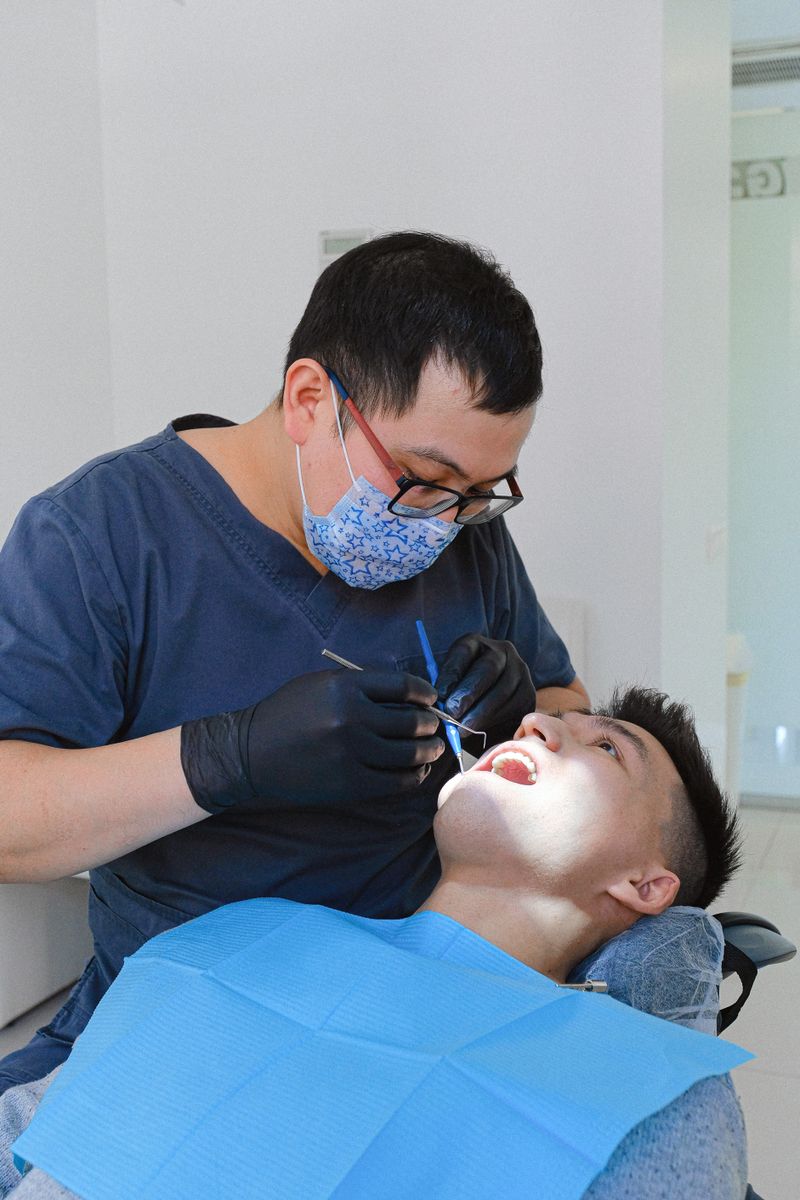
Dental bridges are a reliable way to replace missing teeth, but like any dental restoration, they don't last forever and can develop problems over time. Whether your bridge is brand new or you've had it for years, knowing what issues to watch for can help you keep your bridge in good condition and avoid more costly treatment down the line.
Key Takeaways
- •Dental bridges typically last 10 to 15 years with good care. Some last much longer
- •A loose bridge should be seen by a dentist promptly to prevent decay in the anchor teeth
- •Cleaning under and around your bridge daily is essential. Use superfloss or interdental brushes
- •Decay in the anchor teeth is the most common reason bridges fail
- •A bridge that keeps coming loose may need replacing with a new one or considering an implant
- •Bad breath or a bad taste localised to the bridge area may indicate trapped food or decay underneath
1. Loose or Moving Bridge
A bridge that moves when you chew or can be rocked with your tongue is one of the most common problems. This happens when the dental cement holding the bridge to the anchor teeth (abutments) weakens or breaks down over time.
What to do: See your dentist as soon as possible. A loose bridge allows bacteria to get underneath, which can cause decay in the anchor teeth. In many cases, the bridge can simply be removed, the teeth cleaned, and the bridge re-cemented — a straightforward appointment. However, if decay has developed under the bridge, this will need to be treated first. If you notice your bridge is similar to a crown that has come loose, the same principles apply.
Warning: Don't ignore a loose bridge or try to re-cement it yourself with superglue or over-the-counter adhesives. These can cause further damage and make professional repair more difficult. If the bridge comes off completely, store it safely and contact your dentist.
Bridge feeling loose or uncomfortable? Find a dentist near you to get it assessed.
2. Pain or Sensitivity Under the Bridge
Pain under a dental bridge can have several causes:
- Decay in an anchor tooth: Even with a bridge in place, the natural teeth supporting it are still vulnerable to decay — particularly at the margins where the bridge meets the tooth. Decay here can cause sensitivity or aching.
- Gum disease: Inflammation of the gums around the bridge can cause pain, bleeding, and recession.
- Nerve problems: If an anchor tooth's nerve becomes inflamed or infected, you may experience throbbing pain similar to a toothache.
- Bite issues: If the bridge is sitting too high, it can cause pain when biting and may lead to problems with the opposing teeth.
What your dentist will do: They'll take X-rays to check for decay, assess the gum health, and test the anchor teeth. Treatment depends on the cause — it could range from a simple cleaning to replacing the bridge, or in some cases, root canal treatment on an anchor tooth.
3. Decay of the Anchor Teeth
This is one of the most serious bridge problems because it can undermine the entire restoration. Decay tends to develop at the junction between the bridge crown and the natural tooth — an area that can be difficult to clean effectively. If decay is significant, the anchor tooth may no longer be able to support the bridge.
Prevention is key: Meticulous oral hygiene around the bridge is essential. Use interdental brushes or a floss threader to clean underneath the bridge pontic (the false tooth) daily. Regular dental check-ups allow your dentist to detect early decay with X-rays before it becomes a bigger problem.
Tip: Superfloss or specialist bridge floss has a stiff end that you can thread under the bridge, a spongy section for cleaning the underside of the pontic, and regular floss for the sides of the anchor teeth. Your dentist or hygienist can demonstrate the technique.
4. Food Trapping
Food getting stuck under or around a dental bridge is a common complaint. This can happen if the bridge doesn't fit flush against the gum (leaving a gap), if the gum has receded over time, or if the bridge design doesn't adequately fill the space.
What to do: In the short term, use interdental brushes, a water flosser, or floss threaders to keep the area clean after meals. If food trapping is persistent and difficult to manage, your dentist may be able to adjust the bridge or, if necessary, replace it with a better-fitting one.
5. Bad Smell or Taste
An unpleasant smell or taste coming from a dental bridge is usually a sign that bacteria and food debris are accumulating in areas you can't clean effectively. This could indicate:
- Poor seal between the bridge and the underlying teeth, allowing bacteria in
- Decay developing under the bridge
- Gum disease around the anchor teeth
- Food trapped under the pontic that you haven't been able to remove
What to do: Don't mask the problem with mouthwash alone. Book an appointment with your dentist so they can identify the source. If you're also experiencing persistent bad breath, it's worth mentioning this to your dentist as the bridge may be contributing.
Concerned about a problem with your bridge? Describe what you're experiencing in the chat below and we'll help you understand what might be going on.
6. Cracked or Chipped Bridge
Porcelain bridges can chip or crack, particularly if you grind your teeth, bite on something very hard, or if the bridge has been in place for many years. A small chip may be cosmetic only, while a larger crack can compromise the structural integrity of the bridge.
What your dentist will do: Minor chips can sometimes be repaired with composite bonding in a single appointment. More significant damage may require the bridge to be replaced. If you grind your teeth, a night guard can help protect the bridge (and your natural teeth) from further damage.
When Is It Urgent vs Routine?
Urgent (contact your dentist promptly): The bridge has come off completely, you're in significant pain, there is visible swelling, or you have a fever.
Soon (book within a week or two): The bridge feels slightly loose, you notice a persistent bad taste or smell, or food trapping has suddenly worsened.
Routine (mention at your next check-up): A minor cosmetic chip, slight sensitivity that comes and goes, or general questions about your bridge's condition.
When to see a dentist: As a general rule, any change in how your bridge feels, looks, or smells warrants a dental appointment. Bridge problems rarely improve on their own, and early intervention is almost always simpler and less expensive than waiting until the problem escalates.
How Long Should a Bridge Last?
With good care, a dental bridge typically lasts 5 to 15 years, and some last even longer. The lifespan depends on the materials used, the quality of the fit, the health of the anchor teeth, and — crucially — how well you maintain your oral hygiene. Regular dental check-ups allow your dentist to monitor the bridge and address any developing issues before they become serious.
When to Consider Implants Instead
If your bridge has failed or needs replacing, it's worth discussing dental implants with your dentist as an alternative. While bridges require the adjacent healthy teeth to be filed down to act as anchors, implants are standalone replacements that don't affect neighbouring teeth. Implants also tend to last longer (often 20 years or more) and help preserve the jawbone. They do cost more upfront, but the long-term economics can be favourable — particularly if anchor teeth are at risk of further problems. For more information, see our guide to missing tooth replacement options.
Bottom line: Most dental bridge problems are manageable when caught early. Keep up with your oral hygiene — especially cleaning under the bridge — attend regular check-ups, and don't ignore changes in how your bridge feels or smells. A well-maintained bridge can serve you reliably for many years.
Sources
- • NHS – Dental bridges
- • Oral Health Foundation – Bridges and partial dentures
- • British Dental Association – Patient information
Last reviewed on 15 April 2026 by Dr Tristan Tinn