Dental Bone Graft: What to Expect and Recovery Timeline

Dr Tristan Tinn
Founder & Clinical Director
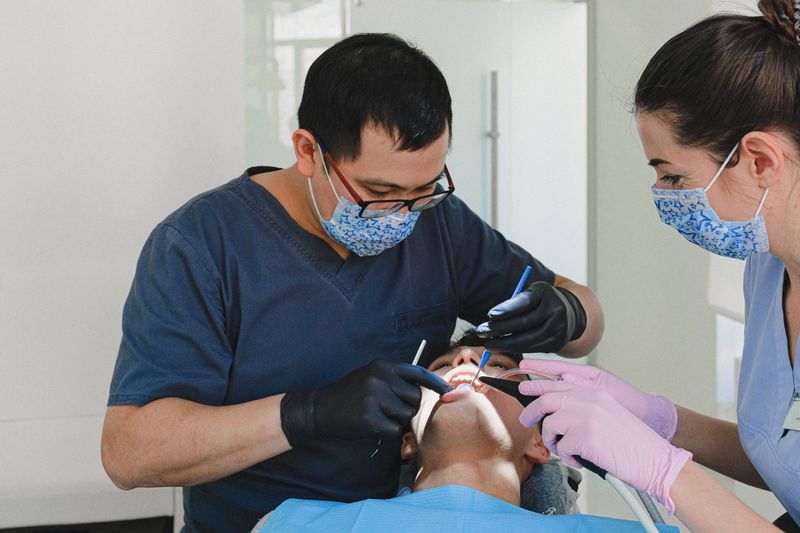
If you've been told you need a dental bone graft, it's natural to feel apprehensive. The term sounds more dramatic than the procedure usually is. Bone grafting is a well-established, routine procedure in dentistry — most commonly performed to build up the jawbone ahead of dental implant placement. Here's what you need to know.
What Is a Dental Bone Graft and Why Is It Needed?
A dental bone graft is a procedure that adds bone (or bone-like material) to your jaw to increase its volume and density. It's needed when there isn't enough healthy bone to support a dental implant, or when bone has been lost due to:
- Tooth extraction: After a tooth is removed, the surrounding bone begins to resorb (shrink) naturally. This process starts within weeks and can be significant over months and years. See our guide on tooth extraction recovery.
- Gum disease: Advanced periodontal disease can destroy the bone supporting the teeth.
- Trauma or injury: Facial injuries can result in bone loss in the jaw.
- Long-term denture wear: Wearing dentures for many years without implants can lead to progressive bone resorption.
Without adequate bone, a dental implant cannot be securely anchored and is more likely to fail. A bone graft creates a solid foundation for the implant to integrate with.
Considering implants and unsure if you'll need a bone graft? Search for an implant dentist near you for a consultation.
Types of Bone Graft
There are several types of bone graft material your dentist or oral surgeon may use. The choice depends on the extent of bone loss, the location, and clinical preference:
Autograft (Your Own Bone)
Bone is taken from another site in your own body — typically the chin, the back of the lower jaw, or occasionally the hip. Autografts are considered the gold standard because they contain living bone cells, growth factors, and a natural scaffold. However, they require a second surgical site, which means slightly more discomfort and a longer procedure.
Allograft (Donor Bone)
Processed bone from a human donor (obtained from a tissue bank). The material is rigorously sterilised and treated to remove all living cells, eliminating any risk of disease transmission. Allografts act as a scaffold for your body to grow new bone into and are widely used in dental grafting.
Xenograft (Animal-Derived)
Bone mineral derived from bovine (cow) or porcine (pig) sources, processed to remove all organic material. What remains is a mineral scaffold that your body gradually replaces with your own bone. Bio-Oss is one of the most commonly used xenograft materials in dentistry and has an extensive evidence base.
Synthetic (Alloplastic) Graft
Man-made materials such as hydroxyapatite or beta-tricalcium phosphate that mimic the mineral structure of bone. These are a good option for patients who prefer not to use human or animal-derived materials.
Tip: If you have concerns about the source of graft material — for example, for religious or ethical reasons — discuss this with your dentist. Synthetic options are available and effective.
The Procedure: Step by Step
A dental bone graft is typically performed under local anaesthetic, though sedation is available if preferred. The procedure usually takes 45 minutes to an hour, depending on the extent of grafting required.
- Anaesthesia: The area is numbed thoroughly with local anaesthetic. You should feel no pain during the procedure.
- Access: Your dentist makes a small incision in the gum to expose the underlying bone.
- Preparation: The bone surface is cleaned and may be roughened slightly to encourage blood flow and healing.
- Graft placement: The graft material is placed into the deficient area and shaped to the required contour. A membrane (thin barrier material) is often placed over the graft to protect it and prevent soft tissue from growing into the graft site before bone can form.
- Closure: The gum is repositioned over the graft and secured with stitches.
If the bone graft is being performed at the same time as a tooth extraction (known as a socket preservation graft), the graft material is placed directly into the empty socket, which simplifies the procedure considerably.
Have questions about bone grafting or implant planning? Describe your situation in the chat below and we can help point you in the right direction.
Recovery Timeline
First 2 Weeks: Soft Tissue Healing
The first few days are similar to recovering from any oral surgery. Expect mild to moderate swelling (peaking at 48-72 hours), some bruising, and discomfort that is manageable with ibuprofen and paracetamol. Stick to soft foods, avoid the surgical site when chewing, and don't smoke. Stitches typically dissolve or are removed at around 7 to 14 days. Most people return to normal daily activities within 2 to 3 days.
3-6 Months: Bone Integration
This is the critical healing phase. The graft material acts as a scaffold, and your body gradually replaces it with new, living bone — a process called osseointegration. During this time, the graft site should not be disturbed or loaded with an implant. Your dentist will monitor progress with periodic X-rays and let you know when the bone has matured sufficiently for implant placement.
Pain Management
Post-operative discomfort is typically mild to moderate and well-controlled with over-the-counter medication. A common approach is to take ibuprofen (400mg) and paracetamol (500mg-1g) together, alternating every 3-4 hours. Your dentist may prescribe stronger painkillers for the first day or two if a larger graft was performed. Cold compresses on the cheek help reduce swelling during the first 48 hours.
Risks and Complications
Bone grafting is generally a safe and predictable procedure, but like any surgery, it carries some risks:
- Infection: Uncommon with proper aftercare and antibiotics (if prescribed), but possible. Signs include increasing pain, swelling, fever, or pus.
- Graft failure: In a small percentage of cases, the graft material may not integrate successfully and the procedure may need to be repeated.
- Membrane exposure: The protective membrane may occasionally become exposed through the gum, which can affect healing.
- Nerve damage: Rare, but possible if the graft is near the inferior alveolar nerve in the lower jaw. Your dentist will assess this risk with imaging before the procedure.
Warning: Smoking significantly increases the risk of graft failure. If you smoke, your dentist will strongly advise you to stop — ideally for at least 2 weeks before and 8 weeks after the procedure. Smoking restricts blood flow to the healing site and impairs bone formation.
Cost in the UK
Dental bone grafts are generally not available on the NHS — they are almost always part of private implant treatment. Costs typically range from £300 to £800 depending on the type and extent of graft required. This is usually in addition to the cost of the implant itself. Some practices include the bone graft cost within their overall implant package. For more on implant costs, see our guide to dental implant costs in the UK.
Success Rates
Dental bone grafts have high success rates — studies report success in approximately 90% to 95% of cases when performed by an experienced clinician with appropriate patient selection. The success rate is influenced by factors including the type of graft, the patient's overall health, smoking status, and adherence to aftercare instructions. When a bone graft is successful, the subsequent dental implant placed into the grafted bone has similar long-term success rates to implants placed in native bone.
Bottom line: A dental bone graft sounds more daunting than it usually is. The procedure is well-established, recovery is manageable, and success rates are high. If you've been told you need one before an implant, it's a worthwhile investment in creating a solid foundation for your new tooth.
Sources
- • Association of Dental Implantology – Patient information on bone grafts
- • NHS – Dental implants
- • British Association of Oral and Maxillofacial Surgeons – Patient information
Last reviewed on 14 April 2026 by Dr Tristan Tinn