Sedation Dentistry: A Guide for Nervous Patients
If fear has kept you from the dentist, sedation could be the answer. Here's what you need to know.

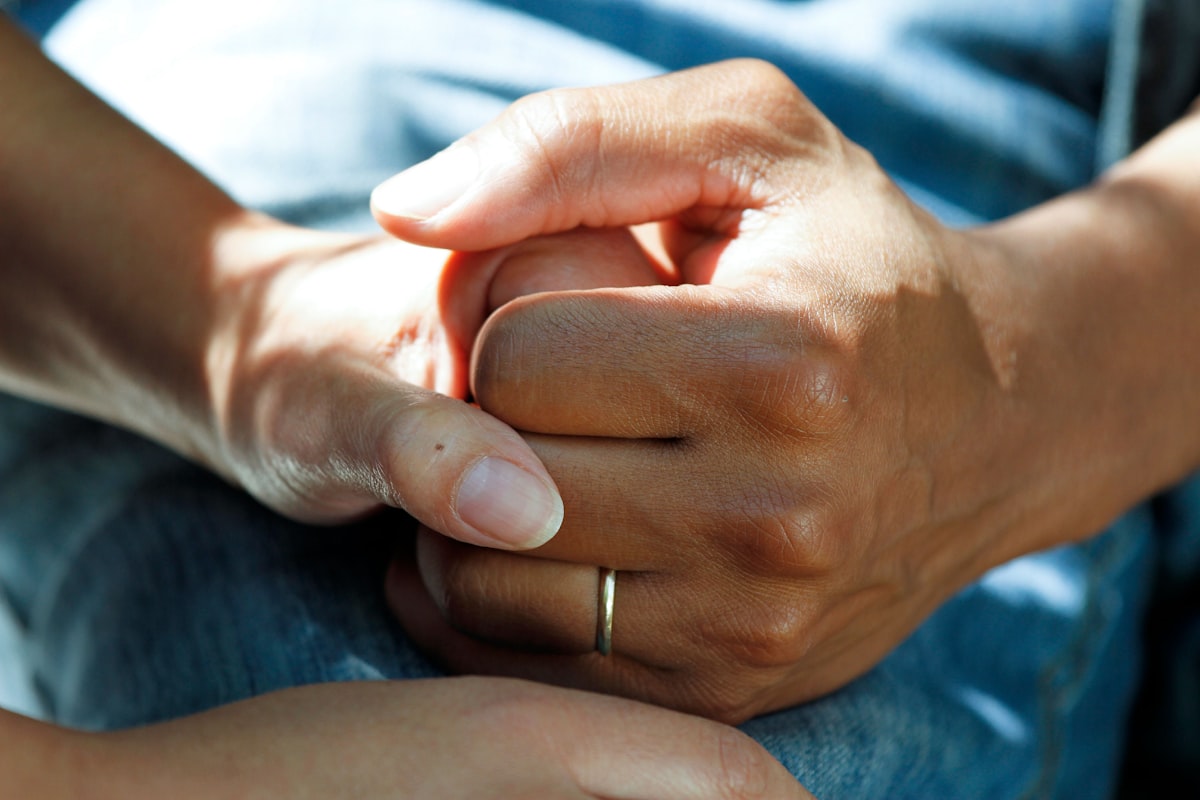
Photo: Unsplash
Key Takeaways
- •Sedation dentistry helps anxious patients feel calm and relaxed during treatment.
- •Options range from nitrous oxide (happy gas, £50-£150) to IV sedation (£200-£500).
- •You stay conscious with most forms of sedation. Only general anaesthesia makes you fully unconscious.
- •Dentists offering sedation must have specialist training and follow strict UK guidelines.
- •Some NHS practices offer sedation for patients with severe dental phobia.
- •After IV or oral sedation, you cannot drive for 24 hours and need someone to take you home.
For millions of people in the UK, the thought of sitting in a dental chair triggers genuine panic. If that sounds familiar, you are not alone. More importantly, there are real solutions that can help you get the care you need without the fear.
What Is Sedation Dentistry?
Sedation dentistry uses medication to help you feel calm and relaxed during dental treatment. Contrary to what some people think, you're usually still awake — just in a deeply relaxed state where anxiety melts away and time seems to pass quickly.
It's not the same as general anaesthesia (where you're completely unconscious), though that is available for certain procedures at specialist centres or hospitals.
Types of Dental Sedation
Your Options
1. Inhalation Sedation ("Happy Gas")
You breathe a mixture of nitrous oxide and oxygen through a small mask. It works within minutes, leaves you feeling floaty and calm, and wears off quickly afterwards. You can usually drive home.
Cost: £50 – £150 per session | Best for: Mild to moderate anxiety
2. Oral Sedation
You take a sedative tablet (usually a benzodiazepine like diazepam) about an hour before your appointment. You'll feel drowsy and relaxed, though still conscious. You'll need someone to accompany you home.
Cost: £75 – £200 per session | Best for: Moderate anxiety
3. IV Sedation (Conscious Sedation)
A sedative is delivered directly into your bloodstream through a small needle in your arm or hand. You'll feel deeply relaxed and may not remember much of the procedure afterwards. This is the strongest form of sedation available at most dental practices.
Cost: £200 – £500 per session | Best for: Severe anxiety, complex procedures
4. General Anaesthesia
You're completely unconscious. This is only available in hospital settings or specialist sedation clinics and is reserved for extensive surgery or patients for whom other sedation isn't suitable.
Cost: £500+ | Best for: Major surgery, extreme phobia
Is Sedation Safe?
Yes — when provided by properly trained professionals. In the UK, dentists offering sedation must have specific qualifications and follow strict guidelines from the Intercollegiate Advisory Committee for Sedation in Dentistry (IACSD).
Before any sedation, you'll have a thorough consultation where your dentist reviews your medical history, current medications, and any health conditions. This helps ensure sedation is safe for you and allows them to choose the most appropriate type.
What to expect: For IV or oral sedation, you'll need to fast for a few hours beforehand and arrange for someone to take you home. You shouldn't drive, operate machinery, or make important decisions for 24 hours afterwards.
Who Can Benefit from Sedation?
Sedation dentistry isn't just for people with dental phobia. It can also help if you:
- Have a strong gag reflex that makes treatment difficult
- Need extensive or lengthy treatment completed in one visit
- Have difficulty getting numb with local anaesthetic alone
- Have had traumatic dental experiences in the past
- Have certain disabilities or conditions that make dental visits challenging
Finding a Sedation Dentist
Not all dental practices offer sedation, so you may need to search specifically for a "sedation dentist" or "nervous patient clinic." When choosing a provider, ask:
- What sedation options do they offer?
- What training and qualifications does the sedation provider have?
- What monitoring equipment do they use during sedation?
- What's included in the sedation fee?
Some NHS practices offer sedation for patients with severe dental anxiety, though availability varies by area. Your GP may be able to refer you if needed.
Taking the First Step
If anxiety has kept you from the dentist for months or years, know that sedation can genuinely transform the experience. Many patients who've avoided dental care for decades finally get the treatment they need — and are surprised to find it wasn't the ordeal they'd feared.
The first step is often the hardest: picking up the phone or booking that initial consultation. But it's also the most important one.
Sedation Dentistry Cost Comparison
| Sedation Type | Typical Cost | Level | Can Drive After? |
|---|---|---|---|
| Nitrous oxide (happy gas) | £50 - £150 | Mild | Usually yes |
| Oral sedation (tablet) | £75 - £200 | Moderate | No (24 hours) |
| IV sedation | £200 - £500 | Deep | No (24 hours) |
| General anaesthesia | £500+ | Unconscious | No (24-48 hours) |
These costs are charged on top of your treatment fees. Some dental practices offer sedation packages that bundle the sedation fee with the treatment cost.
Frequently Asked Questions
What is sedation dentistry?
Sedation dentistry uses medication to help patients relax during dental procedures. Options range from mild sedation (you are awake but calm) to deep sedation (you are on the edge of consciousness). It is different from general anaesthesia where you are completely unconscious.
Is dental sedation safe?
Yes, when administered by trained professionals. Dentists offering sedation must have additional qualifications and follow strict guidelines from the IACSD. Your medical history will be thoroughly reviewed beforehand.
How much does sedation dentistry cost in the UK?
IV sedation typically costs £200 to £500 per session on top of treatment costs. Inhalation sedation is usually £50 to £150. Some NHS practices offer sedation for patients with severe dental phobia at no extra charge.
Will I be asleep during dental sedation?
With IV or oral sedation, you remain conscious but deeply relaxed. You can respond to your dentist's instructions and may not remember much afterwards. Only general anaesthesia makes you fully unconscious, and this is only available in hospital settings.
Can I drive home after dental sedation?
After nitrous oxide, you can usually drive home as the effects wear off within minutes. After IV or oral sedation, you must not drive for 24 hours and need someone to accompany you home.
Can the NHS provide dental sedation?
Some NHS dental practices and community dental services offer sedation for patients with severe dental phobia or special needs. Availability varies by area. Your GP or regular dentist can refer you.
Who should not have dental sedation?
Sedation may not be suitable for people with severe respiratory conditions, those who are pregnant, or people taking certain medications. Your dentist will review your full medical history during a pre-sedation consultation.
What should I do to prepare for dental sedation?
For IV or oral sedation, you will typically need to fast for a few hours beforehand. Arrange transport home in advance. Wear comfortable, loose-fitting clothing. Avoid alcohol for 24 hours before your appointment.