Dental Implant Problems: Issues That Can Occur Years Later

Dr Tristan Tinn
Founder & Clinical Director
Key Takeaways
- •Dental implants have a 90-95% success rate over 10 years, but problems can develop at any stage
- •Peri-implantitis (gum disease around the implant) is the most common cause of late implant failure
- •Warning signs include pain when chewing, a loose feeling, bleeding gums, or a bad taste
- •Smoking is the single biggest controllable risk factor for implant complications
- •Most implant problems are treatable if caught early through regular dental check-ups
- •A failed implant can often be replaced, sometimes with a bone graft first
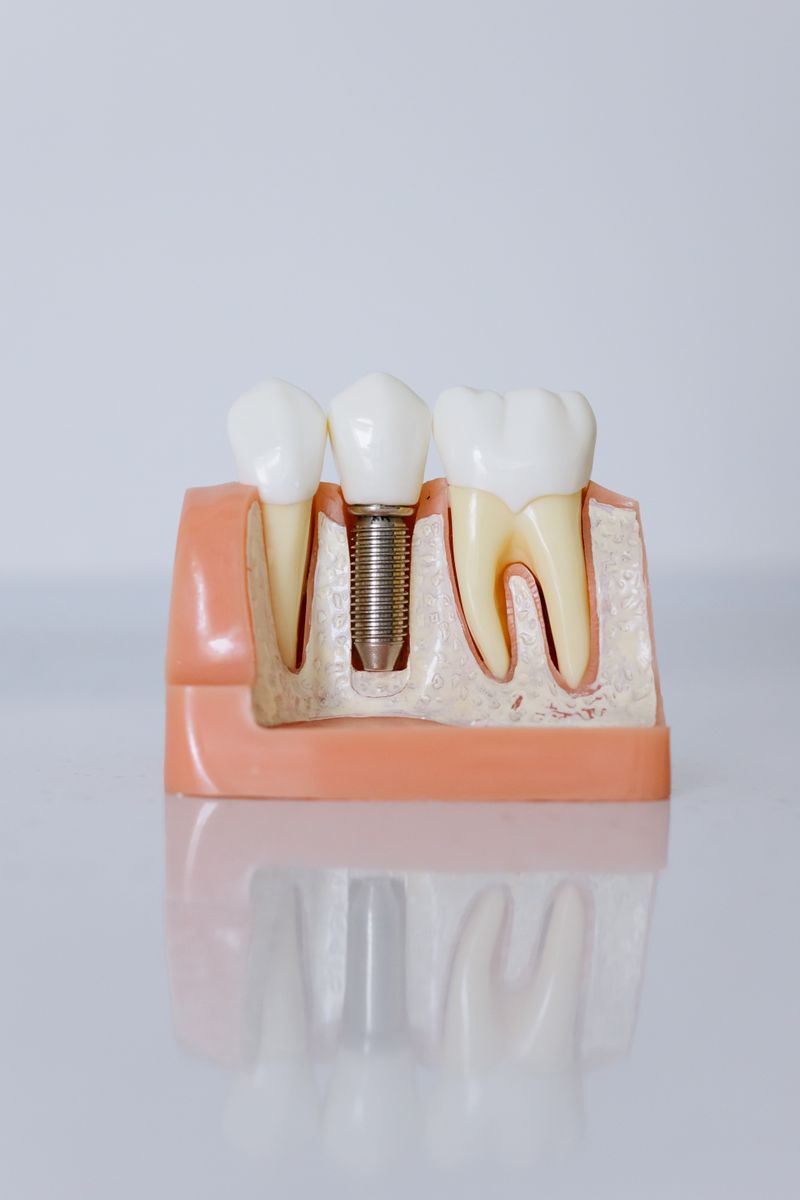
Dental implants are widely considered the gold standard for replacing missing teeth, with success rates typically above 90% over ten years. However, like any medical device placed in the body, they are not immune to problems. Some complications can develop long after the initial treatment appeared successful.
Understanding these potential issues can help you spot warning signs early and protect your investment. This guide covers both early and late complications, what to watch for, and what your options are if something goes wrong.
Early Implant Problems (First Few Months)
Early implant problems typically occur during the healing phase, before the titanium post has fully fused with the jawbone (a process called osseointegration). These complications affect roughly 2-5% of implant patients.
Some complications can arise during the healing phase, before the implant has fully integrated with the bone:
- Infection at the surgical site: Bacterial infection can develop around the implant shortly after placement. Symptoms include increasing pain, swelling, discharge, and sometimes a raised temperature. Prompt treatment with antibiotics is usually effective if caught early
- Failed osseointegration: The implant fails to fuse properly with the jawbone. The implant may feel loose or fall out entirely. Risk factors include smoking, uncontrolled diabetes, insufficient bone quality, and excessive loading of the implant too soon after placement
- Nerve damage: In rare cases, implants placed in the lower jaw can affect the inferior alveolar nerve, causing numbness, tingling, or altered sensation in the lower lip, chin, or tongue. This can be temporary or, rarely, permanent
Concerned about a recent implant? Search for implant dentists near you for a prompt assessment.
Late Implant Problems (Months to Years Later)
Even after successful integration, problems can develop over time. These are often more insidious because the implant may have been trouble-free for years before symptoms appear.
Peri-implantitis
Peri-implantitis is the most common cause of late implant failure. It is essentially gum disease around an implant. A bacterial infection causes inflammation of the surrounding soft tissue and progressive bone loss.
Unlike natural teeth, implants do not have a periodontal ligament. This means the bone around them can be lost more rapidly once infection takes hold. Studies suggest peri-implantitis affects around 20% of implant patients within 5-10 years.
Risk factors include poor oral hygiene, a history of gum disease, smoking, diabetes, and a genetic predisposition to inflammatory conditions. Symptoms may include bleeding gums around the implant, deepening pockets, a bad taste, and eventually implant mobility.
Peri-implant Mucositis (the Early Warning)
Before full peri-implantitis develops, most patients experience peri-implant mucositis. This is inflammation of the gum tissue around the implant without bone loss. Think of it as gingivitis for implants. At this stage, the condition is reversible with improved oral hygiene and professional cleaning.
If left untreated, mucositis can progress to peri-implantitis. This is why regular hygienist appointments are so important for implant patients. Catching inflammation early is far easier and cheaper than treating bone loss later.
Screw Loosening
Implant-supported crowns are typically attached via a small screw. Over time, this screw can work loose, particularly if the bite is not evenly distributed or if you grind your teeth. You may notice the crown wobbling, clicking, or feeling slightly different when you bite. This is usually a straightforward fix: your dentist can remove the crown, check the components, and re-tighten or replace the screw.
Crown Fracture or Wear
The visible crown on top of the implant can chip, crack, or wear down over time, just as a crown on a natural tooth might. Porcelain crowns may fracture under heavy biting forces, particularly in patients who grind their teeth. The implant itself is usually unaffected, and a new crown can be made and fitted.
Gum Recession Around the Implant
The gum tissue around an implant can recede over time, exposing the metal implant neck or abutment. This may be caused by thin gum tissue, aggressive brushing, peri-implantitis, or poor implant positioning. It can affect the cosmetic appearance, particularly for front teeth, and may also make the area harder to clean. For more on gum recession generally, see our article on receding gums.
Bone Loss
Some degree of bone remodelling around implants is normal in the first year. However, progressive bone loss beyond this, whether caused by peri-implantitis, excessive mechanical stress, or other factors, can eventually compromise the stability of the implant. Regular X-rays at your dental check-ups allow your dentist to monitor bone levels over time.
Implant Fracture
Although rare, the titanium implant post itself can fracture. This is more likely with narrow-diameter implants placed in areas of heavy biting force. Risk factors include teeth grinding (bruxism), poor implant positioning, and long-span bridges supported by too few implants. A fractured implant typically needs to be surgically removed and replaced.
Implant Problem Severity Guide
| Problem | Urgency | Typical Fix |
|---|---|---|
| Loose crown | Within a few days | Re-tighten or replace screw |
| Chipped crown | Non-urgent | Polish, repair, or new crown |
| Bleeding gums around implant | Soon (1-2 weeks) | Professional clean, hygiene review |
| Pain when chewing | Within a week | Bite adjustment, investigation |
| Implant feels loose | Urgent (same day) | X-ray, possible removal |
| Swelling, pus, or fever | Emergency | Antibiotics, drainage, possible removal |
When to seek urgent care: If your implant suddenly feels loose, you notice significant swelling or pus around the implant site, or you develop a fever, contact your dentist as soon as possible. A loose implant can deteriorate rapidly if not addressed promptly.
Signs Something Is Wrong
Watch for these warning signs and contact your dentist if you notice any of them:
- Pain, aching, or discomfort around the implant, especially when chewing
- The implant or crown feeling loose or wobbly
- Bleeding or swollen gums localised to the implant site
- A persistent bad taste or bad breath that seems to come from the implant area
- The crown feeling different when you bite as if it has shifted slightly
- Visible grey metal showing through the gum
Worried about your implant? Describe your symptoms in the chat below and we can help you understand whether it needs urgent attention.
Can a Failed Implant Be Replaced?
In many cases, yes. It depends on the reason for failure and the condition of the remaining bone. If an implant fails due to infection, the site needs to be thoroughly cleaned and allowed to heal before a new implant can be considered. If significant bone has been lost, a bone graft may be needed first, which adds time and cost to the process.
Your dentist or oral surgeon can advise on whether re-implantation is feasible in your specific case. For more on the financial aspects, our guide to dental implant costs in the UK includes information on replacement scenarios.
Preventing Implant Problems
The best way to protect your implants is through consistent preventive care:
- Excellent oral hygiene: Brush twice daily, and use interdental brushes or floss specifically around the implant. Water flossers can also be helpful
- Regular dental check-ups: Your dentist can detect early signs of peri-implantitis or bone loss before you notice symptoms
- Professional cleaning: Regular hygienist appointments are essential. Implants need professional cleaning just as natural teeth do
- Stop smoking: Smoking significantly increases the risk of implant failure at every stage
- Wear a night guard: If you grind your teeth, a custom night guard can protect both the implant crown and the underlying components from excessive forces
- Manage underlying health conditions: Keep conditions like diabetes well controlled, as they can affect healing and implant longevity
If you have noticed a loose tooth near an implant or have concerns about your implant, do not wait for your next routine appointment. Book a check-up sooner rather than later.
When to see a dentist: Even if your implant is not causing pain, any new symptom (bleeding, looseness, a change in how it feels when you bite) warrants a dental assessment. Implant problems caught early are far easier and less costly to treat than those left to progress.
How to Choose the Right Implant Dentist
The skill and experience of your implant dentist is one of the biggest factors in long-term success. When choosing an implant provider, consider the following.
- Qualifications: Look for dentists with postgraduate training in implantology, such as a diploma or masters degree. Membership of the Association of Dental Implantology (ADI) is a good indicator
- Experience: Ask how many implants they place per year. Higher-volume practitioners tend to have better outcomes
- Planning technology: CBCT (3D) scanning and guided surgery improve accuracy and reduce complications
- Aftercare programme: A good practice will have a structured maintenance programme for implant patients, including regular hygienist visits
- Transparency on costs: Get a full treatment plan with all costs included. Our guide to dental implant costs in the UK can help you understand what to expect
Frequently Asked Questions
Is it normal for dental implants to hurt years later?
No. A well-integrated dental implant should not cause pain. If you experience pain around an implant years after placement, it may indicate peri-implantitis, a loose abutment screw, a cracked crown, or bite problems. Any new pain around an existing implant warrants a dental assessment.
How long do dental implants actually last?
With proper care, the implant post itself can last 20 years or more. Many patients keep their implants for life. The crown on top may need replacing every 10 to 15 years due to normal wear. Regular dental check-ups, excellent oral hygiene, and not smoking are the biggest factors in implant longevity.
Does smoking affect dental implants?
Yes. Smoking is one of the biggest risk factors for dental implant failure at every stage. It restricts blood flow to the gums and bone, impairing healing after surgery and increasing the risk of peri-implantitis long-term. Studies show smokers have implant failure rates two to three times higher than non-smokers.
What is peri-implantitis and how is it treated?
Peri-implantitis is a bacterial infection around a dental implant that causes inflammation and progressive bone loss. Treatment depends on severity. Early stages may respond to professional cleaning, antiseptic rinses, and improved oral hygiene. More advanced cases may require surgical debridement, bone grafting, or in severe cases, implant removal.
Can a failed dental implant be replaced?
In many cases, yes. The site needs time to heal after the failed implant is removed, and a bone graft may be needed if significant bone has been lost. Success rates for replacement implants are generally good when the underlying cause of failure is addressed.
Are dental implants covered by dental insurance?
Most UK dental insurance policies do not cover implants, as they are considered a private treatment. Some higher-tier policies may contribute towards the cost. Check your policy details carefully. For information on managing the cost, see our guide to dental payment plans.
Bottom line: Dental implants are a reliable, long-term solution for missing teeth, but they are not maintenance-free. With good hygiene, regular check-ups, and prompt attention to any warning signs, most implant problems can be prevented or managed effectively.
Related Articles
Dental Implants Cost UK 2026
Complete pricing guide for implants, bridges, and All-on-4.
Dental Bone Graft: What to Expect
When bone grafting is needed and what the procedure involves.
Receding Gums: Causes and Treatment
Understanding gum recession around natural teeth and implants.
Missing a Tooth? Your Options Guide
Compare implants, bridges, and dentures for tooth replacement.
Sources
- • NHS – Dental implants
- • British Society of Periodontology – Peri-implant diseases
- • Association of Dental Implantology – Patient information
Last reviewed on 14 April 2026 by Dr Tristan Tinn