Loose Tooth as an Adult: What's Causing It and What to Do

Dr Tristan Tinn
Founder & Clinical Director
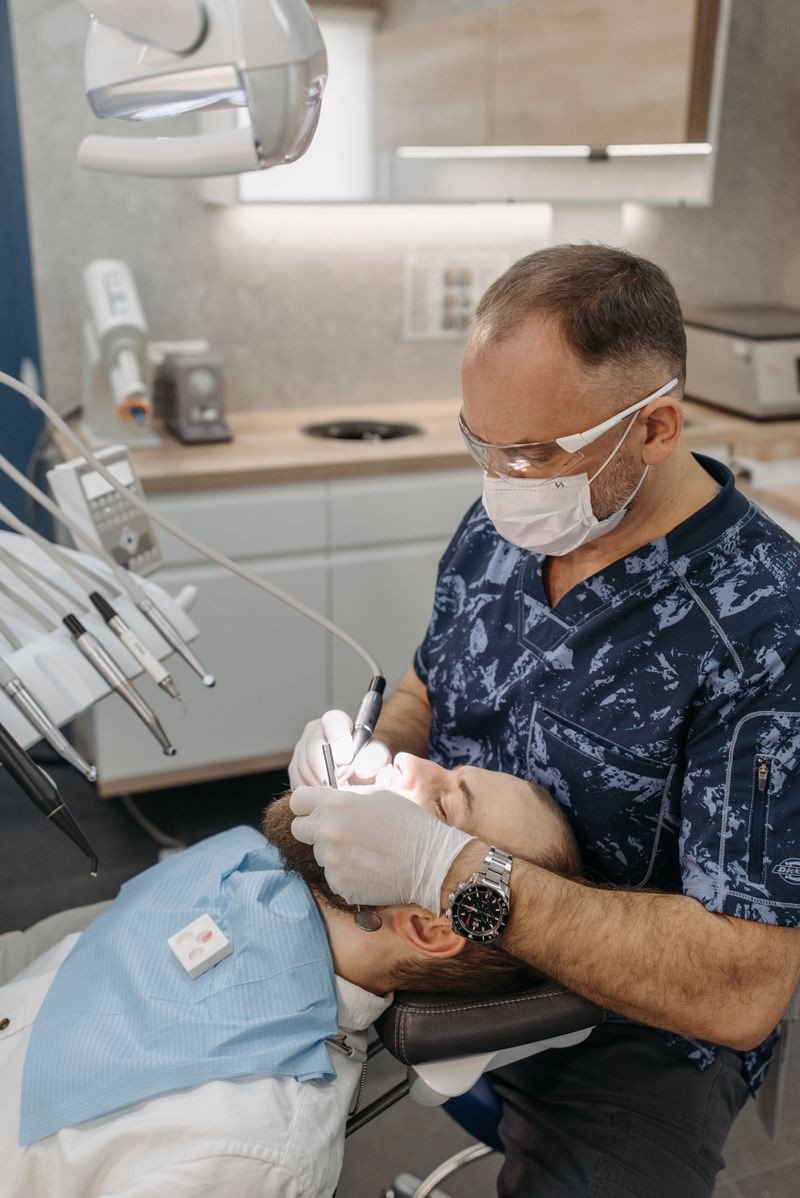
Important: A loose tooth in an adult is never normal. Unlike children's baby teeth, adult teeth are not designed to become mobile. If you notice a tooth feeling wobbly, see a dentist as soon as possible -- early treatment can make the difference between saving and losing the tooth.
Losing a baby tooth as a child is a rite of passage. Feeling a loose tooth as an adult is something else entirely. It can be alarming.
Adult teeth are anchored in bone and held firmly in place by a network of ligaments and gum tissue. When a tooth becomes mobile, it means something is undermining that support structure.
Key Takeaways
- •A loose tooth in an adult is never normal and always needs professional assessment.
- •Gum disease (periodontitis) is the number one cause of loose teeth in adults.
- •Early treatment can often save a loose tooth. Delay makes extraction more likely.
- •Treatments include deep cleaning, splinting, gum surgery, and in severe cases, extraction.
- •Smoking, grinding, and poor oral hygiene are major risk factors.
- •If a tooth is knocked loose by injury, see a dentist immediately.
What Causes Loose Teeth in Adults?
1. Gum Disease (Periodontitis) -- The Number One Cause
Gum disease is by far the most common reason adults develop loose teeth. It begins as gingivitis -- red, swollen, bleeding gums -- which, if left untreated, can progress to periodontitis. In periodontitis, the infection spreads below the gumline, destroying the bone and connective tissue that hold teeth in place. This bone loss is often painless, which is why many people don't realise how advanced the condition has become until teeth begin to feel loose.
According to the British Society of Periodontology, severe periodontitis affects around 10-15% of adults in the UK. It is the leading cause of tooth loss in adults, but with early intervention it can often be managed effectively.
Need to find a dentist who can see you quickly? Search for available appointments near you.
2. Injury or Trauma
A blow to the face -- from a fall, sporting injury, or accident -- can damage the ligaments that anchor a tooth, causing immediate looseness. In some cases the tooth may also be displaced from its socket (luxated) or knocked out entirely (avulsed). Traumatic injuries require urgent dental attention; a tooth that is splinted quickly has a much better chance of surviving.
3. Teeth Grinding (Bruxism)
Chronic clenching or grinding of the teeth, often during sleep, places enormous lateral forces on teeth. Over time, this can stretch the periodontal ligaments and contribute to looseness, particularly if gum disease is also present. Many people are unaware they grind until a dentist notices the telltale signs of wear on their teeth.
4. Hormonal Changes During Pregnancy
Elevated levels of progesterone and oestrogen during pregnancy can increase blood flow to the gums and alter the body's inflammatory response, making the gum tissue more susceptible to bacteria. This can result in a condition sometimes called pregnancy gingivitis, which in some cases may cause teeth to feel slightly mobile. The looseness typically resolves after delivery, but maintaining excellent oral hygiene during pregnancy is essential.
5. Osteoporosis
Osteoporosis causes a reduction in bone density throughout the body, and the jawbone is no exception. Research suggests that individuals with osteoporosis may experience greater alveolar bone loss around the teeth, potentially contributing to tooth mobility. If you have been diagnosed with osteoporosis, it is worth mentioning this to your dentist so they can monitor your bone levels more closely.
How Loose Is Too Loose?
Dentists assess tooth mobility on a clinical scale. A very slight degree of movement (less than 1mm) can be present even in healthy teeth -- this is the natural flexibility of the periodontal ligament. However, any movement you can feel with your tongue or fingers is considered abnormal and should be assessed.
- Grade I: Slightly more movement than normal, but less than 1mm in any direction. May be manageable with treatment.
- Grade II: Visible movement of more than 1mm side to side. Requires prompt treatment.
- Grade III: The tooth moves in all directions, including vertically (can be depressed into the socket). The prognosis for saving the tooth may be poor.
Not sure what to do next? Describe your situation in the chat below and we'll help you understand your options.
Treatment Options
Deep Cleaning and Scaling
If gum disease is the cause, the first line of treatment is usually a thorough deep clean (root surface debridement). This involves removing plaque and tartar from below the gumline, allowing the gum tissue to heal and reattach to the teeth. For many patients, this -- combined with improved home care -- can stabilise loose teeth significantly.
Splinting
A dentist may bond a loose tooth to its neighbouring stable teeth using a thin wire or composite material. This splint distributes biting forces across multiple teeth, allowing the loose tooth time to firm up. Splinting is commonly used for trauma-related looseness and can also be used alongside gum disease treatment.
Gum Surgery
In more advanced cases, a periodontist (gum specialist) may recommend surgical intervention. Procedures can include flap surgery to access and clean deep pockets, or regenerative techniques using bone grafts or tissue membranes to encourage regrowth of lost bone and ligament.
Extraction and Replacement
If a tooth cannot be saved, extraction may be necessary. Replacement options include dental implants, bridges, or dentures. Your dentist can discuss which option may be most suitable for your situation. It is important to replace missing teeth, as gaps can cause neighbouring teeth to drift and affect your bite.
Why Time Matters
With a loose tooth, early action is critical. Bone loss from gum disease is progressive -- once bone is lost, it is very difficult to regenerate. The sooner treatment begins, the more bone and tissue can be preserved, and the greater the chance of saving the tooth. Delaying treatment by even a few weeks can make the difference between a tooth that can be stabilised and one that needs to be extracted.
Prevention
- Maintain excellent oral hygiene: Brush twice daily and clean between teeth with interdental brushes or floss
- Attend regular dental check-ups: Your dentist can detect early signs of gum disease before you notice symptoms
- Don't ignore bleeding gums: This is the earliest warning sign of gum disease
- Wear a mouthguard: If you play contact sports, a custom-fitted mouthguard can protect against traumatic injuries
- Address grinding: If you clench or grind, ask your dentist about a night guard
- Stop smoking: Smoking significantly increases the risk and severity of gum disease
The takeaway: A loose tooth is your body's warning signal. In many cases, with prompt treatment, the tooth can be saved and stabilised. Don't wait and hope it will get better on its own -- book an appointment with your dentist as soon as you notice any wobble.
Related Articles
Sources
- • NHS -- Gum disease overview
- • British Society of Periodontology -- Periodontal disease information
Last reviewed on 14 April 2026 by Dr Tristan Tinn