AI at the Dentist: How Technology Is Transforming Dental Care

Dr Tristan Tinn
Founder & Clinical Director
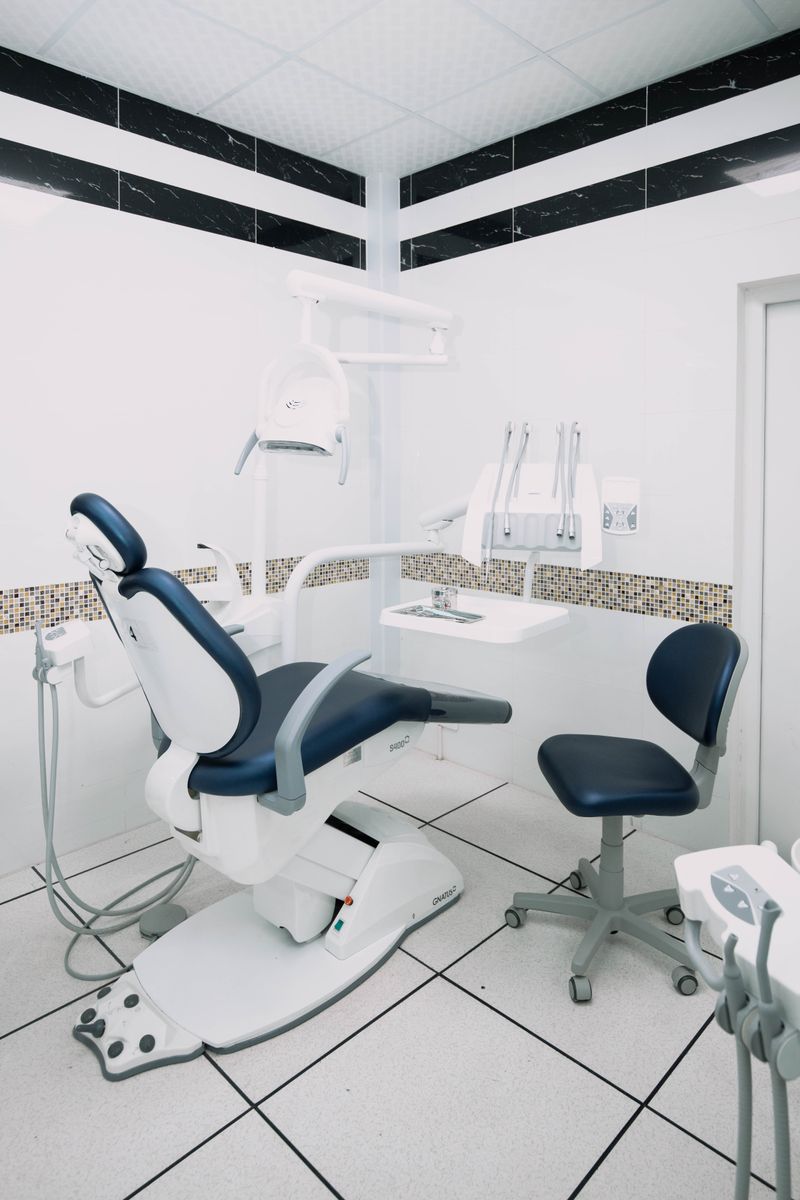

Photo: Unsplash
Artificial intelligence is already changing how dentists diagnose, plan, and deliver treatment. From spotting early cavities that are invisible to the naked eye to helping you find an appointment faster, AI is quietly improving the care you receive. Here is what it means for you as a patient.
Key Takeaways
- •AI can detect cavities and gum disease on X-rays with over 95% accuracy in clinical studies
- •It acts as a second pair of eyes, helping your dentist catch problems earlier when treatment is simpler
- •AI is already used in many UK practices for X-ray analysis, implant planning, and orthodontics
- •It assists dentists but does not replace them. All final decisions are made by qualified professionals
- •AI chatbots and smart scheduling are making it easier to find and book dental appointments
- •Earlier detection means simpler, less expensive treatment over time
AI-Powered X-Ray Analysis
AI systems trained on millions of dental X-rays can now detect problems with remarkable accuracy. They serve as a second pair of eyes for your dentist, catching subtle issues that might otherwise be missed.
These systems can identify:
- Early-stage cavities that are too small to see visually
- Bone loss indicating gum disease
- Cysts, tumours, and other abnormalities in the jawbone
- Root canal infections and periapical pathology
- Calculus (tartar) deposits below the gum line
Research published in the Journal of Dental Research shows AI can match or exceed human dentists in detecting certain conditions. One 2024 study found AI achieved 97% sensitivity for detecting cavities between teeth on bitewing X-rays. This does not mean AI is better than your dentist. It means your dentist, supported by AI, is better than either working alone.
Which AI Tools Are UK Dentists Using?
Several AI platforms are already in use across NHS and private practices in the UK. Here are the main ones you might encounter.
| AI Platform | What It Does | Used In UK? |
|---|---|---|
| Overjet | X-ray analysis for cavities and bone loss | Yes |
| Pearl | Real-time cavity and pathology detection | Yes |
| Dental Monitoring | Remote aligner tracking via smartphone photos | Yes |
| ClinCheck (Invisalign) | AI-powered orthodontic treatment simulation | Yes |
| BlueSkyBio | AI-guided implant planning from CBCT scans | Yes |
AI in Treatment Planning
AI is helping dentists plan complex treatments with greater precision and predictability. This means fewer surprises and better outcomes for patients.
Implant Planning
AI analyses CBCT scans (3D X-rays) to map bone density, nerve positions, and sinus proximity. This helps surgeons place dental implants in the optimal position, reducing surgical complications and improving long-term success rates.
Orthodontics and Aligners
AI predicts how your teeth will move during aligner treatment, generating a step-by-step simulation before you start. Systems like ClinCheck allow you to see your predicted result before committing to treatment. Remote monitoring through apps like Dental Monitoring means fewer in-person check-ups.
Smile Design and Cosmetic Planning
AI-powered smile design tools can show you how veneers, whitening, or composite bonding will look on your actual face before any work begins. This takes the guesswork out of cosmetic dentistry and helps you make informed decisions.
How AI Improves the Patient Experience
AI is not just about clinical accuracy. It is also making the practical side of dental care easier and more accessible.
- Smart scheduling: AI optimises appointment booking, reducing wait times and matching patients to available slots faster
- Chatbots and triage: AI-powered chat tools answer common questions and help patients understand whether they need urgent care or a routine appointment. Services like HelpDental use AI to match you with the right dentist for your needs
- Personalised reminders: Tailored recall systems based on your individual risk factors, rather than a one-size-fits-all six-month reminder
- Post-treatment monitoring: AI apps can track healing after procedures like extractions, alerting your dentist if something looks abnormal
AI and Early Detection: Why It Matters
The real value of AI in dentistry is catching problems before they become expensive or painful. A tiny cavity spotted by AI on an X-ray today might need a simple filling costing under £100. Left undetected for another year, that same cavity could require root canal treatment and a crown costing £500 to £1,500.
The same principle applies to gum disease. AI can detect early bone loss patterns on X-rays that indicate periodontitis is developing, prompting earlier intervention with hygienist visits and improved home care.
The Human Touch Remains Essential
AI is a powerful tool, but it has clear limitations. It cannot perform a hands-on examination. It cannot feel for a crack in a tooth, assess your pain levels, or understand your personal preferences and anxieties. The final diagnosis, treatment decisions, and the care you receive still come from qualified professionals who consider your full medical history, lifestyle, and circumstances.
Think of AI as a highly sophisticated assistant. It processes data faster and spots patterns more consistently than humans, but it lacks clinical judgement and empathy. The best dental care combines both.
What Does the Future Look Like?
AI in dentistry is evolving rapidly. Within the next few years, we are likely to see:
- Predictive risk scoring: AI analysing your dental history, genetics, and lifestyle to predict which teeth are most at risk of problems
- AI-assisted surgery: Robotic systems guided by AI for highly precise implant placement
- Home screening: Smartphone-based AI tools that let you scan your mouth and flag potential issues between check-ups
- Personalised treatment plans: AI combining clinical data with outcomes from thousands of similar cases to recommend the most effective approach for you
The future is already here. Many UK practices are using AI tools right now. Ask your dentist about the technology they use. You might be surprised how much innovation is happening behind the scenes.
Frequently Asked Questions
Is AI replacing dentists?
No. AI is a tool that assists dentists, not a replacement. AI can analyse X-rays, help plan treatments, and streamline admin tasks, but the final diagnosis, treatment decisions, and hands-on care still come from qualified dental professionals. Think of AI as a highly accurate second opinion that helps your dentist catch things earlier.
How accurate is AI at detecting cavities?
Studies show AI systems can match or exceed human dentists in detecting cavities on X-rays, with some systems achieving over 95% accuracy. AI is particularly strong at spotting early-stage decay between teeth. However, it works best as a complement to clinical examination, not instead of it.
Are UK dentists already using AI?
Yes. A growing number of UK dental practices use AI-powered tools for X-ray analysis, treatment planning, and patient management. Systems like Overjet, Pearl, and Dental Monitoring are already in use across NHS and private practices.
Is my dental data safe with AI systems?
Dental AI systems used in the UK must comply with GDPR and NHS data protection standards. Your X-rays and clinical data are typically anonymised before being processed. Reputable AI dental companies encrypt data and do not share identifiable patient information with third parties.
Will AI make dental treatment cheaper?
AI has the potential to reduce costs over time by catching problems earlier, when treatment is simpler and cheaper. A small cavity caught by AI means a filling rather than a root canal and crown later. However, the technology requires investment, so direct cost savings for patients may take time.
Can AI help with dental anxiety?
Indirectly, yes. AI chatbots can answer questions about procedures before your appointment, helping you feel more prepared. AI-powered smile simulations let you see treatment outcomes before committing. For more tips, see our guide on managing dental anxiety.
Related Articles
Sources
- • British Dental Journal -- AI in dentistry research
- • Journal of Dental Research -- Digital dentistry studies
- • NHS Health Education England -- Digital transformation in healthcare
Last reviewed on 14 April 2026 by Dr Tristan Tinn