10 Practical Tips to Calm Dental Anxiety Before Your Appointment

Dr Tristan Tinn
Founder & Clinical Director
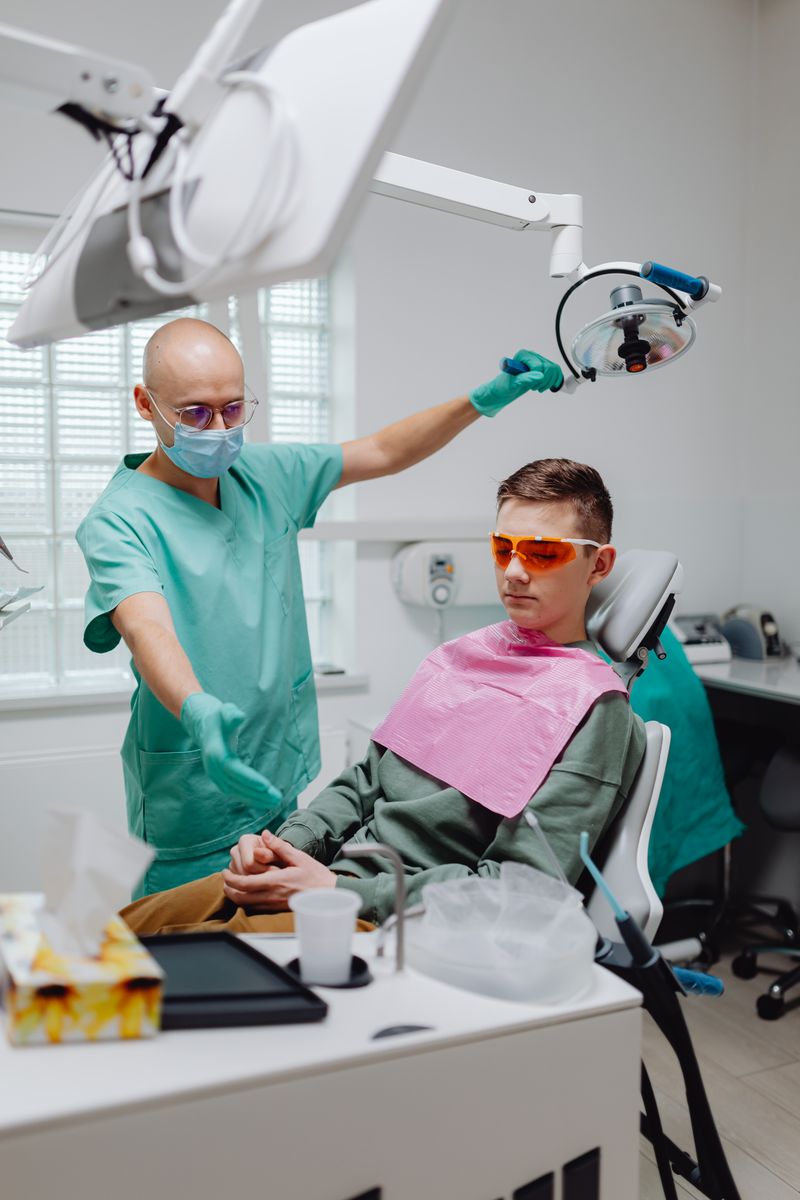
If the thought of sitting in a dental chair makes your heart race, you are far from alone. Dental anxiety affects an estimated one in three adults in the UK, and for some, the fear is severe enough to prevent them from seeking treatment altogether. The good news is that there are practical, proven strategies to help you manage your anxiety and get the care you need. Here are ten that really work.
Key Takeaways
- •Tell your dentist about your anxiety before treatment begins. This is the single most important step.
- •Agree a stop signal (raising your hand) so you feel in control at all times.
- •The 4-4-6 breathing technique activates your body's relaxation response and genuinely reduces panic.
- •Book morning appointments to give anxiety less time to build up.
- •Sedation (nitrous oxide or IV) is available for severe anxiety, and some options are covered by the NHS.
- •CBT and gradual exposure therapy are effective treatments for dental phobia and available through the NHS.
1. Tell Your Dentist Upfront
This is the single most important step you can take. Dentists are very accustomed to working with anxious patients and most will appreciate knowing about your concerns before they begin. It allows them to explain each step, go at a pace you are comfortable with, and check in with you frequently. You can mention it when you book your appointment, or tell the receptionist when you arrive. You do not have to wait until you are in the chair.
2. Agree a Stop Signal
Ask your dentist to agree on a signal, typically raising your hand, that means "pause, I need a moment." Knowing you can stop the treatment at any point gives you a sense of control, which is one of the most powerful ways to reduce anxiety. A good dentist will always respect this signal immediately and without question.
Looking for an understanding dentist? Search for practices near you. Many list their approach to nervous patients.
3. Bring Headphones and Music
Many people find that the sounds of the dental surgery (the drill, the suction, even the radio) are a major trigger. Bringing your own headphones and listening to music, a podcast, or an audiobook can help block out these sounds and give your mind something else to focus on. Most dentists are perfectly happy for you to do this, though they may ask you to keep the volume at a level where you can still hear them if they need to communicate.
4. Practise Breathing Exercises
Slow, controlled breathing activates your body's relaxation response and can genuinely reduce feelings of panic. Try this technique: breathe in slowly through your nose for a count of four, hold for a count of four, then breathe out slowly through your mouth for a count of six. Practise this at home in the days before your appointment so it feels natural when you need it. You can use it in the waiting room and during treatment.
Tip: Focus on making your out-breath longer than your in-breath. This activates the parasympathetic nervous system and is one of the most effective ways to calm anxiety quickly.
5. Book a Morning Appointment
If you book a later appointment, you have all day to worry about it. An early morning slot means less time for anxiety to build up. You wake up, go to the dentist, and it is done, leaving the rest of your day free and your mind at ease.
6. Bring a Supportive Person
Having a friend or family member with you can make a real difference, particularly in the waiting room where anxiety tends to peak. Many practices will also allow a companion to sit in the treatment room with you during your appointment if that would help. Do not be embarrassed to ask. Practices see this regularly.
7. Visit the Practice Beforehand
If a practice is new to you, consider visiting just to have a look around, meet the receptionist, and get a feel for the environment, without any treatment taking place. Familiarity reduces fear. Some practices specifically offer "meet and greet" appointments for anxious patients, where you can sit in the chair and talk to the dentist without any examination or treatment.
8. Ask for a Treatment Explanation
For many anxious patients, fear of the unknown is the biggest trigger. Asking your dentist to explain what they are going to do before they do it, and what sensations to expect, can help you feel more prepared and less startled. Some people prefer a detailed step-by-step narration, while others prefer a brief overview. Let your dentist know which approach works better for you.
Feeling nervous about an upcoming appointment? Tell us what is worrying you in the chat below. We can help you prepare and know what to expect.
9. Consider Sedation Options
If your anxiety is severe enough that the tips above are not sufficient on their own, sedation may be an option worth discussing with your dentist:
- Inhalation sedation (nitrous oxide): Sometimes called "happy gas," this is breathed in through a small nose mask. It helps you feel relaxed and calm while remaining fully conscious. The effects wear off within minutes after the mask is removed. This is widely available and suitable for mild to moderate anxiety
- Intravenous (IV) sedation: A sedative is administered through a small needle in your arm or hand. You remain conscious but are deeply relaxed and may not remember the procedure afterwards. This is available for more significant anxiety and is often used for longer or more complex treatments
- General anaesthetic: This is reserved for very specific clinical situations and is carried out in a hospital setting. It is not commonly used for routine dental anxiety
Some sedation options are available on the NHS, though availability varies by area. Your dentist can advise on what is appropriate for your situation and refer you if needed.
10. Reward Yourself Afterwards
It might sound simple, but planning something enjoyable for after your appointment gives you something positive to focus on. Whether it is a favourite meal, a coffee with a friend, or an afternoon off, having a reward waiting can help motivate you to get through the door and serve as positive reinforcement for future visits.
Beyond the Tips: When to Seek Professional Help
If your fear of the dentist is so severe that it has prevented you from attending for years, or if the thought of making an appointment causes panic attacks, you may be experiencing dental phobia rather than mild anxiety. This is a recognised condition and there is effective help available:
- Cognitive behavioural therapy (CBT): A talking therapy that helps you identify and change unhelpful thought patterns around dental care. It is available through the NHS via your GP
- Gradual exposure therapy: Working with a sympathetic dentist to slowly build up from simply sitting in the waiting room, to sitting in the chair, to having an examination, and eventually treatment, at your own pace over several visits
- Specialist dental anxiety clinics: Some NHS trusts and dental hospitals run dedicated clinics for patients with severe dental phobia. Ask your GP or call NHS 111 for information about services in your area
When to see a dentist: Avoiding dental care because of anxiety often leads to problems getting worse, which can mean more complex treatment in the future, creating a cycle that reinforces the fear. If you have been putting off dental visits, know that the first step is usually the hardest. A modern dental visit is often much more comfortable than you might expect.
Sedation Costs in the UK
If you are considering sedation, it helps to know the typical costs so there are no surprises.
| Sedation Type | Typical Private Cost | NHS Availability |
|---|---|---|
| Inhalation (nitrous oxide) | £50 - £150 | Sometimes available |
| IV sedation | £200 - £400 | Limited availability |
| Oral pre-medication | £20 - £50 | Prescription via dentist/GP |
| General anaesthetic | Hospital setting only | NHS referral required |
These costs are in addition to the treatment itself. Always ask about sedation pricing upfront. For more on managing dental costs, see our guide to dental payment plans.
Frequently Asked Questions
What is the best breathing technique for dental anxiety?
The 4-4-6 technique works well: breathe in for 4 counts, hold for 4, and breathe out for 6. The key is making your out-breath longer than your in-breath. This activates your parasympathetic nervous system and genuinely reduces feelings of panic.
Is it normal to cry at the dentist from anxiety?
Yes, this is more common than you might think. Dental anxiety can trigger a strong emotional response, and crying is a natural way your body releases that tension. A good dentist will not judge you for this. They will pause, check you are okay, and proceed at your pace.
Should I take medication before a dental appointment?
Some dentists can prescribe a short-acting sedative such as diazepam to take about an hour before your appointment. This is called oral pre-medication. You will need someone to drive you to and from the practice. Discuss this option with your dentist or GP.
How much does sedation dentistry cost?
Inhalation sedation typically costs £50 to £150 on top of treatment. IV sedation usually costs £200 to £400 extra. Some NHS practices offer sedation at no additional charge, but availability varies significantly by area.
Can children have sedation at the dentist?
Yes. Inhalation sedation (nitrous oxide) is commonly used for anxious children and is safe and well-established. IV sedation is less common in children. General anaesthetic is available through NHS hospital dental services when clinically necessary.
Can I be sedated for a dental check-up?
It is unusual to use sedation for a check-up alone, but not unheard of for patients with severe phobia. A more common approach is to start with a meet-and-greet appointment to build familiarity, then gradually progress to an examination. Discuss your needs with your dentist.
How can I calm my nerves before the dentist?
The most effective steps are: tell your dentist about your anxiety, agree a stop signal, practise breathing exercises, bring headphones and music, book a morning appointment, and bring a supportive friend or family member. See our guide to overcoming dental anxiety for more strategies.
Bottom line: Dental anxiety is common, understandable, and manageable. You do not have to white-knuckle your way through an appointment. With the right preparation and a supportive dental team, most anxious patients find it far more manageable than they expected.
Sources
- • NHS – Dental anxiety and phobia
- • British Dental Association – Patient information on dental anxiety
- • Oral Health Foundation – Dental phobia
Last reviewed on 14 April 2026 by Dr Tristan Tinn