Why Are My Teeth Shifting? Causes and What You Can Do

Dr Tristan Tinn
Founder & Clinical Director
If you have noticed that your teeth are not quite where they used to be, you are not alone. Perhaps your lower front teeth have become a little crowded, or a gap has appeared where there was not one before. Teeth can shift at any age, and it is a surprisingly common concern. The good news is that understanding why it happens can help you take steps to slow, prevent, or correct the movement.
Key Takeaways
- •Teeth naturally drift forward (mesial drift) throughout your entire life, even in healthy mouths
- •Gum disease, tooth loss, and grinding are the main causes of significant teeth shifting
- •Not wearing a retainer after braces is one of the most common reasons for relapse
- •Clear aligners or fixed braces can correct shifted teeth at any age
- •Retainers are essential for life if you want to maintain straight teeth after orthodontic treatment
- •A missing tooth should be replaced to prevent neighbouring teeth from shifting into the gap
Why Do Teeth Move Throughout Life?
Mesial Drift
Even in a perfectly healthy mouth, teeth have a natural tendency to drift slowly forward (towards the front of the mouth) over the course of a lifetime. This phenomenon, known as mesial drift, is a normal part of how teeth respond to the forces of chewing. It is one of the main reasons why the lower front teeth, which are the smallest and most tightly packed, tend to become slightly more crowded with age.
Gum Disease and Bone Loss
Periodontal (gum) disease is one of the most significant causes of tooth movement. As the condition progresses, it destroys the bone and ligaments that hold teeth in place. When this support is weakened, teeth can drift, tilt, or develop spaces between them. You may notice that teeth which were once straight begin to fan out or become loose. Treating the underlying gum disease is essential before any orthodontic correction can be considered.
Tooth Loss Leaving Gaps
When a tooth is lost and not replaced, the neighbouring teeth may gradually tilt or drift into the gap. The tooth directly opposite the missing one can also begin to over-erupt (grow further out of the gum) because there is nothing to bite against. Over time, this can change your bite and create new areas where food traps, increasing the risk of decay and gum problems. Options for replacing missing teeth include bridges, dentures, and dental implants.
Not Wearing a Retainer After Braces
If you had orthodontic treatment as a teenager or young adult and stopped wearing your retainer, it is very common for teeth to shift back towards their original position. This is sometimes called orthodontic relapse. The periodontal ligament that holds each tooth in its socket has a “memory” and can pull the tooth back over months or years. This is why orthodontists now typically recommend wearing retainers indefinitely — at least at night — to maintain the results of treatment.
Teeth Grinding (Bruxism)
Habitual grinding or clenching of the teeth, known as bruxism, places excessive forces on the teeth and their supporting structures. Over time, this can cause teeth to shift, become worn down, or develop small fractures. Many people grind their teeth during sleep without realising it, and the problem may only become apparent when a dentist notices the wear patterns or when teeth begin to move.
Ageing and Soft Tissue Changes
As we age, the lips, cheeks, and tongue — which all play a role in keeping teeth in position — change in tone and pressure. The cumulative effect of decades of chewing, speaking, and swallowing can gradually alter the forces on your teeth. Combined with mesial drift, this explains why even people who have never had dental problems may notice changes in their tooth alignment in middle age and beyond.
Signs Your Teeth May Be Shifting
- Crowding: Teeth that once had even spacing begin to overlap, especially in the lower front region
- New gaps: Spaces appearing between teeth where there were none before
- Bite changes: Your teeth may feel like they come together differently, or you may notice you are biting your cheek or tongue more often
- Food trapping: Food getting caught in places where it did not previously, which can indicate teeth have shifted and created new contact points
- Ill-fitting retainer: If you still have an old retainer, it may no longer fit comfortably, confirming that movement has occurred
- Changes to your smile: You may notice in photographs that your teeth look different from how you remember them
Need to find a dentist who can see you quickly? Search for available appointments near you.
Treatment Options
Retainers
If the movement is minor, a new retainer may be sufficient to hold your teeth in their current position and prevent further shifting. A bonded (fixed) retainer — a thin wire glued behind the front teeth — can provide permanent retention without any effort on your part.
Clear Aligners
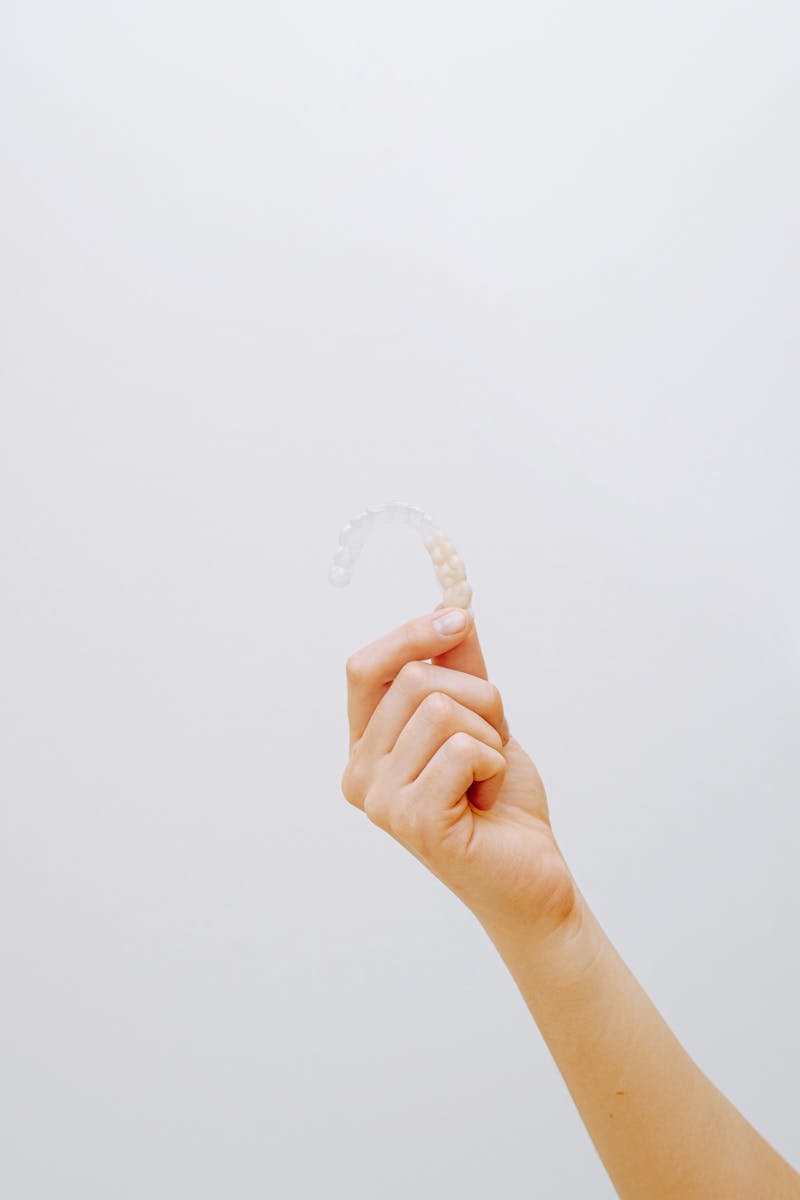
For mild to moderate shifting, clear aligners can be an excellent option. They are removable, virtually invisible, and can gradually move teeth back into alignment over a series of months. Several providers offer aligner treatment through dental practices across the UK, with costs typically ranging from around £1,500 to £5,000 depending on the complexity.
Fixed Braces
More significant tooth movement or complex bite corrections may require fixed braces. Modern options include tooth-coloured ceramic brackets and lingual braces (fitted behind the teeth) for a less visible appearance. Treatment typically takes 12 to 24 months depending on the case. Your dentist or orthodontist can advise which approach is most suitable.
Not sure what to do next? Describe your situation in the chat below and we'll help you understand your options.
Treating Underlying Gum Disease
If gum disease is contributing to tooth movement, it must be treated and stabilised before any orthodontic work can begin. This may involve a course of deep cleaning (root planing), improved home care, and ongoing maintenance appointments. Attempting to straighten teeth in the presence of active gum disease can worsen the condition and lead to further tooth loss.
Prevention: Keeping Your Teeth Where They Are
- Wear your retainer for life: If you have had orthodontic treatment, commit to wearing your retainer as directed — typically every night. This is the single most effective way to prevent relapse.
- Attend regular check-ups: Your dentist can spot early signs of shifting, gum disease, or grinding and intervene before significant changes occur.
- Maintain excellent oral hygiene: Brushing twice daily with fluoride toothpaste and cleaning between teeth daily helps prevent gum disease, one of the main drivers of tooth movement.
- Replace missing teeth: If you lose a tooth, discuss replacement options with your dentist promptly to prevent neighbouring teeth from drifting.
- Address grinding: If you grind your teeth, a custom-made night guard from your dentist can protect your teeth from excessive forces.
Frequently Asked Questions
Is it normal for teeth to shift with age?
Yes, it is entirely normal. Teeth naturally tend to drift forward and inward over time through a process called mesial drift. This is a gradual, lifelong process that can lead to mild crowding, especially in the lower front teeth. Factors such as gum disease, tooth loss, and grinding can accelerate these changes. Regular dental check-ups can help monitor any significant movement.
Can shifted teeth be straightened without braces?
In many cases, yes. Clear aligners can be an effective option for correcting mild to moderate tooth movement in adults. They are removable, virtually invisible, and can achieve good results for many types of shifting. However, more complex cases involving significant bite changes or rotations may still require fixed braces. A consultation with a dentist or orthodontist can help determine the best option for your situation.
Sources
- British Orthodontic Society — Retainers: bos.org.uk
- NHS — Orthodontics: nhs.uk/conditions/orthodontics
- NHS — Gum disease: nhs.uk/conditions/gum-disease
Last reviewed on 15 April 2026 by Dr Tristan Tinn