How Sugar Damages Your Teeth: The Science and How to Protect Them

Dr Tristan Tinn
Founder & Clinical Director
Key Takeaways
- •Sugar itself does not damage teeth. Bacteria feed on sugar and produce acid that dissolves enamel.
- •How often you eat sugar matters more than how much. Each exposure triggers a 20-minute acid attack.
- •Sipping sugary drinks throughout the day is one of the most common causes of tooth decay in the UK.
- •Wait 30 minutes after sugar before brushing. Rinse with water immediately instead.
- •Cheese, plain water, and sugar-free gum are genuinely helpful for protecting teeth after meals.
- •Early-stage decay (white spots) can be reversed with fluoride. Once a cavity forms, it needs a filling.
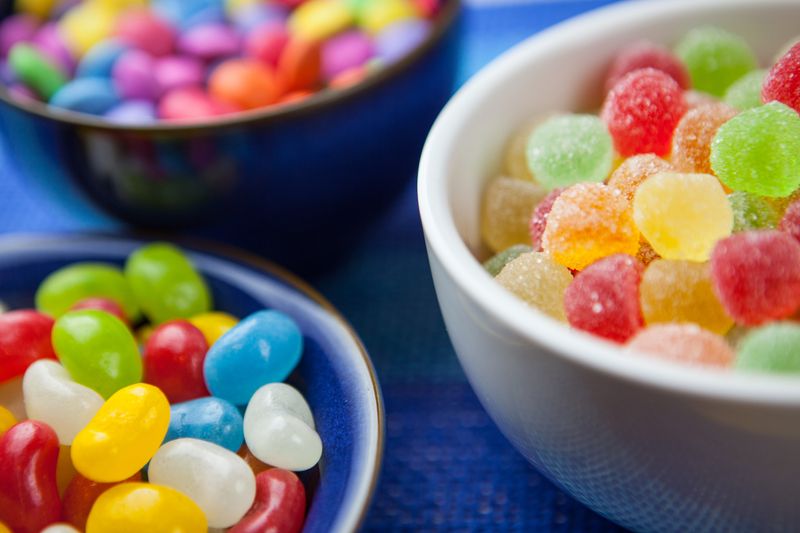
Most of us know that sugar is bad for our teeth. But do you know exactly why? Understanding the science behind sugar and tooth decay can change the way you think about what you eat and drink. Spoiler: it is not really about how much sugar you consume, but how often.
The Acid Attack Cycle
Sugar itself does not directly damage your teeth. The problem lies with the bacteria that naturally live in your mouth. Here is what happens every time you consume something sugary:
- Bacteria feed on sugar: The hundreds of species of bacteria in your mouth thrive on sugars and refined carbohydrates
- They produce acid: As bacteria metabolise sugar, they produce lactic acid as a waste product
- Acid dissolves enamel: This acid lowers the pH in your mouth, causing minerals (calcium and phosphate) to leach out of your tooth enamel in a process called demineralisation
- The 20-minute acid attack: Each sugar exposure triggers approximately 20 minutes of acid production before your saliva can neutralise it and begin repairing the damage (remineralisation)
If these acid attacks happen occasionally, your saliva and fluoride toothpaste can repair the damage. But if they happen frequently throughout the day, the enamel does not get a chance to recover — and over time, a cavity forms.
Already noticing signs of decay? Find a dentist near you to get it checked before it progresses.
Frequency Matters More Than Quantity
This is the single most important thing to understand about sugar and your teeth. Having a slice of cake with your lunch causes one acid attack lasting about 20 minutes. Sipping a sugary coffee over two hours causes a near-continuous acid attack the entire time.
This is why dentists are more concerned about grazing and sipping habits than the occasional treat. A child who eats a bag of sweets in one sitting (from a dental perspective, not a nutritional one) does less damage to their teeth than a child who eats the same sweets one at a time throughout the afternoon.
The biggest risk: Sipping sugary or acidic drinks throughout the day — including fruit juices, squash, fizzy drinks, and sweetened teas and coffees — is one of the most common causes of tooth decay in the UK. Every sip resets the 20-minute acid attack clock.
Hidden Sugars: Foods That Catch You Out
Many foods marketed as healthy contain surprisingly high levels of sugar. Being aware of these hidden sources can make a real difference:
- Fruit juice and smoothies: A glass of orange juice can contain as much sugar as a glass of cola. The NHS recommends limiting fruit juice to 150ml per day, ideally with a meal
- Dried fruit: Raisins, apricots, and dates are concentrated in sugar and sticky — they cling to tooth surfaces far longer than fresh fruit
- Flavoured yoghurts: Some contain 4-5 teaspoons of sugar per pot. Choose plain yoghurt and add fresh fruit instead
- Cereals and granola bars: Many breakfast cereals, even those marketed to children as "fortified" or "whole grain," contain significant amounts of added sugar
- Sauces and condiments: Ketchup, BBQ sauce, sweet chilli sauce, and many salad dressings contain more sugar than you might expect
- Sports and energy drinks: Often promoted as healthy, these can contain both high sugar and citric acid — a double threat to enamel
The Worst Offenders
From a dental perspective, the most damaging foods and drinks combine sugar with one or more of these factors: acidity, stickiness, and prolonged contact time.
- Fizzy drinks (including diet): Regular fizzy drinks deliver a massive sugar hit combined with phosphoric or citric acid. Diet versions are sugar-free but still highly acidic, which can erode enamel directly
- Chewy sweets: Toffees, caramels, wine gums, and jelly sweets stick to teeth and remain in contact with enamel for extended periods
- Boiled sweets and lollipops: These dissolve slowly, bathing your teeth in sugar for minutes at a time
- Sugary drinks sipped slowly: A can of cola consumed over an hour is worse for your teeth than the same can drunk quickly with a meal
Wondering about your diet and dental health? Describe what you typically eat and drink in the chat below, and we can highlight any hidden risks.
Your Mouth's Natural Defences
Your body has several natural mechanisms to protect your teeth from acid damage:
- Saliva: Your most important natural defence. Saliva washes away food particles, neutralises acid, and delivers calcium and phosphate ions back to damaged enamel. Anything that reduces saliva flow (dehydration, certain medications, mouth breathing) increases decay risk
- Fluoride: Whether from toothpaste, tap water, or professional application, fluoride strengthens enamel and helps it remineralise faster after acid attacks. This is why dentists recommend fluoride toothpaste twice daily
- Cheese and dairy: Cheese raises the pH in your mouth, and calcium and casein in dairy products help strengthen enamel. Finishing a meal with a piece of cheese is a genuinely helpful habit
- Water: Plain water helps rinse away sugars and acids and keeps saliva flowing. It is the best drink for your teeth between meals
Practical Tips to Protect Your Teeth
You do not need to eliminate sugar entirely — that would be unrealistic and unnecessary. The key is managing how and when you consume it:
- Keep sugar to mealtimes: Consuming sugary foods as part of a meal (rather than as snacks) reduces the number of acid attacks and gives your saliva a chance to recover
- Drink water after sugar: A quick rinse with water helps wash away sugars and dilute acid
- Wait 30 minutes before brushing: After acidic or sugary food, your enamel is temporarily softened. Brushing too soon can wear it away faster. Rinse with water first and brush later
- Use a straw for acidic drinks: This directs the liquid past your teeth, reducing contact with enamel
- Chew sugar-free gum: Chewing gum stimulates saliva production, which helps neutralise acid and wash away debris. Look for gum containing xylitol, which may actively inhibit decay-causing bacteria
- Check labels: Sugar has many names — glucose, sucrose, fructose, maltose, honey, agave, and "fruit concentrate" are all sugars as far as your teeth are concerned
- Finish meals with cheese or nuts: These alkaline foods help neutralise acid and are protective for enamel
Tip: For children, the NHS recommends no more than two snacks per day and suggests that sugary foods and drinks should only be given at mealtimes. Milk and water are the safest drinks between meals. See our guide on children's dental visits for more advice.
When to see your dentist: If you are experiencing sensitivity to sweet foods, have visible dark spots or holes in your teeth, or if a tooth aches when you eat, these may be signs of decay that need treatment. Early cavities can sometimes be reversed with fluoride treatment, but once a hole has formed, you will need a filling. The sooner you get it checked, the simpler the treatment will be.
Sugar Content of Common Drinks
| Drink (330ml) | Sugar (approx.) | Acid Attack Duration | Tooth Risk |
|---|---|---|---|
| Water | 0g | None | None |
| Milk | 16g (natural lactose) | Minimal | Very low |
| Orange juice (150ml) | 13g | ~20 min | Moderate |
| Cola | 35g | ~20 min per sip | High |
| Energy drink | 28-39g | ~20 min per sip | Very high |
| Diet cola | 0g | Acid erosion risk | Moderate |
Frequently Asked Questions
How long after eating sugar should I brush?
Wait at least 30 minutes. The acid produced by bacteria temporarily softens your enamel. Brushing while softened can wear it away. Rinse with water immediately, then brush later.
Does sugar-free mean safe for teeth?
Not always. Sugar-free drinks can still be highly acidic (diet cola, sparkling water with citric acid), which erodes enamel directly. Sugar-free gum with xylitol, however, is genuinely beneficial for teeth.
Is fruit bad for your teeth?
Fresh whole fruit is generally fine because chewing stimulates protective saliva. Fruit juice, smoothies, and dried fruit are more problematic because the sugars are concentrated and acidity is higher. The NHS recommends limiting juice to 150ml per day with a meal.
Is honey better than sugar for teeth?
No. Honey, agave, maple syrup, and refined sugar are all equally harmful to teeth. The bacteria in your mouth cannot tell the difference. All sugars get broken down into acids that attack enamel.
How much sugar per day is safe for teeth?
The NHS recommends no more than 30g of free sugars per day for adults (about 7 sugar cubes). But from a dental perspective, frequency matters more. Eating 30g in one sitting causes one acid attack. Spreading it across the day causes many.
Can tooth decay from sugar be reversed?
In its earliest stages, yes. White spots on teeth indicate enamel demineralisation, which can be reversed with fluoride and dietary changes. Once a cavity has formed through the enamel, it cannot be reversed and needs a filling.
Does chewing gum prevent cavities?
Sugar-free gum after meals stimulates saliva, which neutralises acid and washes away debris. Gum with xylitol may also inhibit decay-causing bacteria. It is not a substitute for brushing but is a helpful addition.
Which sugary foods are worst for teeth?
Sticky sweets (toffees, caramels), boiled sweets that dissolve slowly, fizzy drinks, and dried fruit. The worst habit is sipping sugary drinks throughout the day, which creates near-continuous acid attacks.
Related Articles
Sources
- • NHS – Sugar and health
- • Public Health England – Delivering Better Oral Health
- • British Dental Association – Patient information
Last reviewed on 14 April 2026 by Dr Tristan Tinn