Root Canal Pain: What to Really Expect Before, During and After

Dr Tristan Tinn
Founder & Clinical Director
Key Takeaways
- •Modern root canal treatment is no more painful than having a filling done.
- •The real pain comes from the infection before treatment, not the procedure itself.
- •Recovery takes 3 to 5 days with mild tenderness. Over-the-counter painkillers are usually enough.
- •NHS root canal treatment costs £76.60 (Band 2). Private costs range from £250 to £700+.
- •A crown is almost always needed afterwards to protect the treated tooth.
- •Root canals have a success rate of 85-95% and save millions of teeth every year.
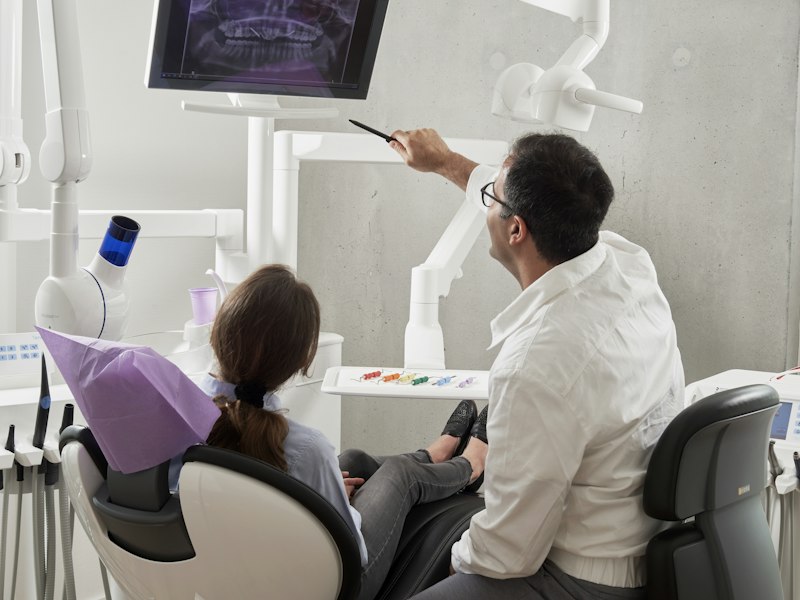
Few dental procedures have a worse reputation than root canal treatment. For decades, "root canal" has been shorthand for something excruciatingly painful. But the reality of modern dentistry is very different. In most cases, the procedure itself is no more uncomfortable than having a filling, and its purpose is to relieve pain, not cause it.
The Pain Before Treatment: Why You Need a Root Canal
Ironically, it's usually the pain before treatment that gives root canals their fearsome reputation. By the time you need one, the pulp inside your tooth — which contains the nerve — is likely infected or severely inflamed. This can cause:
- Intense, throbbing toothache that may come and go or be constant
- Pain that worsens when lying down or at night
- Prolonged sensitivity to hot or cold that lingers long after the stimulus is removed
- Pain when biting or chewing
- Swelling in the gum near the affected tooth
- A darkening of the tooth compared to its neighbours
This pre-treatment pain is exactly what root canal therapy is designed to resolve. The procedure removes the source of infection and pain, allowing the tooth to heal.
In pain right now and need to see a dentist? Search for available appointments near you.
During the Procedure: What Actually Happens
Understanding what happens step by step can help reduce dental anxiety about the procedure:
- Anaesthesia: Your dentist will thoroughly numb the tooth and surrounding area with local anaesthetic. You should not feel pain during the procedure — only pressure and vibration. If you have concerns about anxiety, discuss sedation options with your dentist beforehand.
- Isolation: A rubber dam (a small sheet of rubber) is placed around the tooth to keep it dry and free from saliva during treatment. This also prevents small instruments or irrigating solutions from entering your throat.
- Access: Your dentist drills a small opening through the top (or back) of the tooth to reach the pulp chamber inside.
- Cleaning: Using very fine, flexible instruments, the infected or dead pulp tissue is carefully removed from the pulp chamber and root canals. The canals are then cleaned, shaped, and irrigated with antibacterial solutions to eliminate bacteria.
- Filling the canals: Once clean and dry, the empty canals are filled with a biocompatible rubber-like material called gutta-percha, which seals the space to prevent reinfection.
- Restoration: A temporary or permanent filling is placed to close the access hole. In most cases, a crown will be recommended afterwards to protect the tooth, as root-treated teeth can become more brittle over time.
Tip: The procedure typically takes 60 to 90 minutes for a single-rooted tooth, and may require two appointments for molars with multiple roots. Bring headphones or listen to music if it helps you relax — most dentists are happy for you to do so.
After Treatment: What's Normal and What's Not
Once the anaesthesia wears off (usually within 2 to 4 hours), it's normal to experience some discomfort. Here's what to expect in the days following treatment:
Normal Post-Treatment Symptoms (Days 1-5)
- Mild to moderate tenderness around the treated tooth, especially when biting
- Some aching in the jaw from keeping your mouth open during the procedure
- Slight sensitivity that gradually improves day by day
Pain management: Over-the-counter painkillers are usually sufficient. Ibuprofen (400mg every 6-8 hours with food) is often most effective for dental pain, as it reduces both pain and inflammation. Paracetamol can be taken alongside ibuprofen if needed. Always follow packet instructions and check for contraindications.
Unsure if what you're experiencing after a root canal is normal? Describe your symptoms in the chat below and we'll help you work out whether you need to contact your dentist.
When Post-Treatment Pain Is Not Normal
While some discomfort is expected, certain symptoms may indicate a problem that needs attention:
Contact your dentist if: Pain is severe or worsening after the first 3 days rather than improving, you develop visible swelling in the face or gum, the temporary filling falls out, you develop a fever, or the tooth feels significantly "high" when you bite (this may just need a minor adjustment to the filling).
In rare cases, a root canal may not fully resolve the infection — for example, if there is an unusually complex canal anatomy or a crack in the root. If this happens, your dentist may refer you to an endodontist (a specialist in root canal treatment) for retreatment, or discuss alternative options. For more on ongoing pain after dental work, see our guide on tooth pain after a filling.
How Much Does a Root Canal Cost on the NHS?
In England, root canal treatment on the NHS falls under Band 2 (currently £76.60). This covers the root canal procedure itself, any necessary X-rays, and a standard filling or temporary restoration. If a crown is needed afterwards, this is typically included within the same Band 2 charge if it forms part of the same course of treatment.
Private root canal treatment costs vary significantly depending on which tooth is being treated (front teeth are simpler than molars) and your location. As a rough guide, expect to pay between £250 and £700 or more privately, with a crown costing an additional £300 to £900.
Recovery Tips for a Smooth Healing
- Avoid chewing on the treated side until the permanent restoration is in place
- Stick to softer foods for the first day or two
- Don't skip the follow-up appointment for your crown — a root-treated tooth without a crown is at higher risk of fracture
- Continue brushing and flossing gently around the area
- Avoid smoking, which impairs healing
Busting the Biggest Myth
The idea that root canals are agonising dates from a time before modern anaesthesia and techniques. Today, studies consistently show that patients rate root canal treatment as no more painful than having a filling done. The real pain comes from the infection that makes the treatment necessary — not the treatment itself. If you've been putting off treatment because of fear, you may find that the reality is far better than you expect. For more, read our article on root canal myths debunked.
Bottom line: Modern root canal treatment relieves pain. It does not cause it. If you're putting off seeing a dentist because you're worried about the procedure, the sooner you go, the sooner you'll be out of pain.
Root Canal vs Extraction: Which Is Better?
Keeping your natural tooth is almost always the preferred option. A root canal saves the tooth and maintains your natural bite, jawbone structure, and chewing ability. Extraction may seem simpler, but replacing a missing tooth with an implant, bridge, or denture adds cost and complexity.
That said, extraction may be the better choice if the tooth is severely cracked, has very little structure remaining, or if bone loss from gum disease has made it unsalvageable. Your dentist will explain the pros and cons of each option for your specific situation.
| Factor | Root Canal + Crown | Extraction + Implant |
|---|---|---|
| NHS cost | £76.60 (Band 2) | £76.60 extraction (Band 2). Implants not on NHS. |
| Private cost | £550 - £1,600 | £2,000 - £3,500+ |
| Treatment time | 1-2 appointments | 3-6 months total |
| Preserves natural tooth | Yes | No |
| Success rate | 85-95% | 95%+ for implants |
Frequently Asked Questions
Is a root canal painful?
With modern anaesthesia, a root canal should not be painful. Most patients report it feels similar to having a filling done. You may feel pressure and vibration, but not pain. If you have dental anxiety, your dentist can discuss sedation options to help you feel more comfortable.
How long does root canal pain last afterwards?
Mild tenderness for 3 to 5 days is normal and manageable with ibuprofen or paracetamol. The tooth may feel slightly sensitive when biting for a week or two. If pain worsens after the first few days instead of improving, contact your dentist.
How much does a root canal cost on the NHS?
Root canal treatment on the NHS in England is Band 2, currently £76.60. This covers the procedure, X-rays, and a standard filling. A crown is typically included if part of the same treatment course. Private root canal treatment ranges from £250 to £700+, with crowns adding £300 to £900.
How long does a root canal take?
Front teeth with a single root typically take 60 to 90 minutes in one appointment. Back teeth (molars) with multiple roots may require two appointments. Your dentist will explain what to expect based on your specific tooth.
Can a root canal fail?
Root canal treatment has a high success rate of 85-95%. Failure is uncommon but can occur if the tooth has unusually complex anatomy, a hidden crack, or if reinfection develops. A failed root canal can often be retreated by an endodontist.
Do I need a crown after a root canal?
Almost always, yes. Root-treated teeth lose their blood supply and become more brittle over time. Back teeth need crowns to withstand chewing forces. Some front teeth may only need a filling if enough structure remains. Skipping the crown significantly increases the risk of the tooth fracturing.
What happens if I avoid a root canal?
Delaying treatment allows the infection to spread. This can lead to a dental abscess with facial swelling, bone loss, and eventual tooth loss. In rare cases, untreated dental infections can become life-threatening.
Can I eat after a root canal?
Wait until the numbness wears off completely before eating. Then stick to soft foods on the opposite side for a day or two. Avoid hard, crunchy, or very hot foods on the treated side until your permanent crown or filling is placed.
Related Articles
Sources
- • NHS – Root canal treatment
- • NHS – NHS dental charges
- • British Endodontic Society – Patient information
Last reviewed on 14 April 2026 by Dr Tristan Tinn