Electric vs Manual Toothbrush: Does It Really Matter?

Dr Tristan Tinn
Founder & Clinical Director
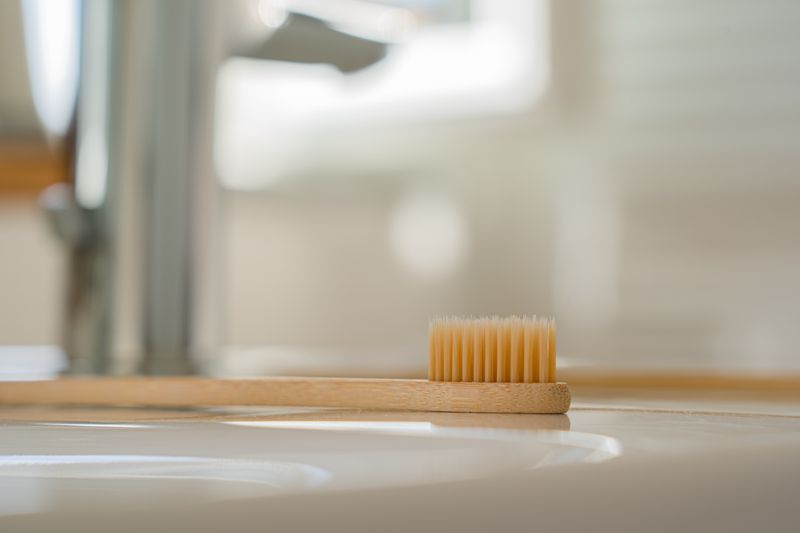
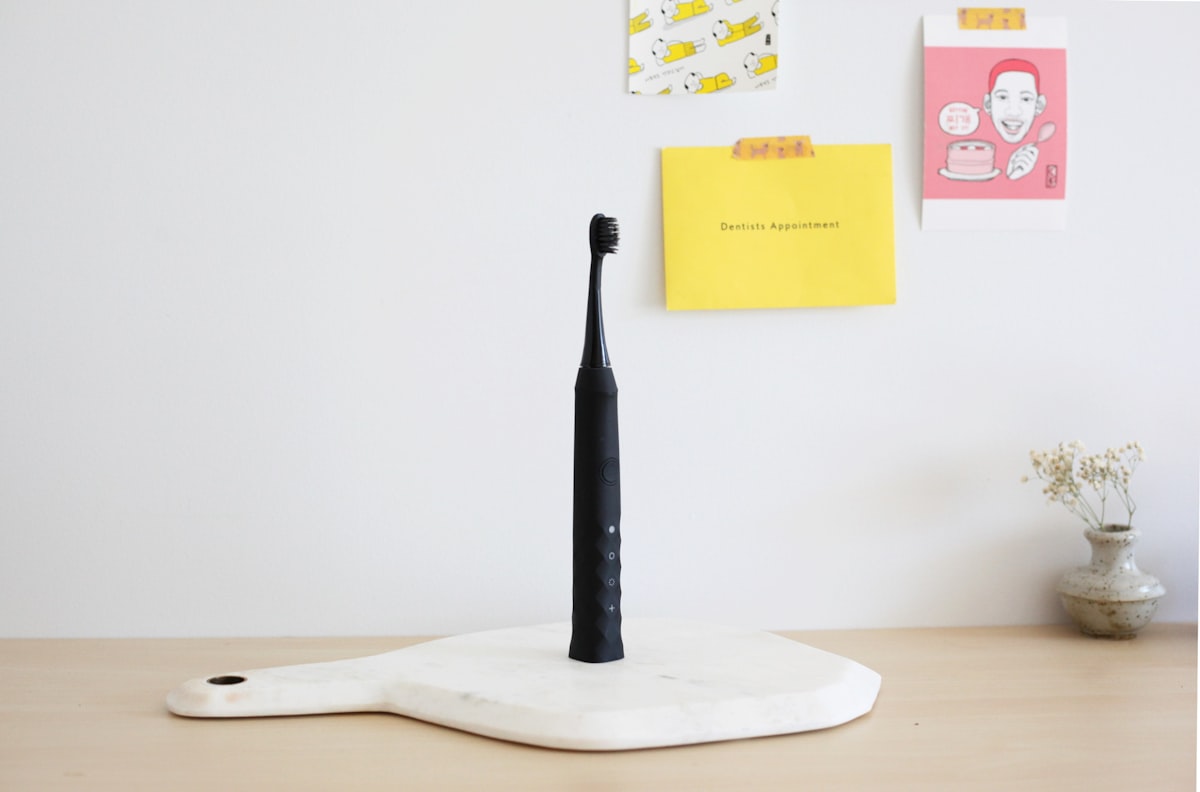
Photo: Unsplash
It's one of the most common questions patients ask: should I switch to an electric toothbrush? The short answer is that electric brushes generally do a better job. But a manual brush used well is still effective. Here's what the evidence says.
Key Takeaways
- •Oscillating-rotating electric toothbrushes remove 21% more plaque than manual brushes (Cochrane review)
- •A manual toothbrush used correctly for two minutes, twice daily, is still effective
- •Electric brushes are especially beneficial for people with braces, limited dexterity, or gum disease
- •Good models start from around £20 to £30. You do not need a £300 brush
- •Whichever you choose, always use a soft bristle and fluoride toothpaste
What the Research Shows
Electric toothbrushes are generally more effective than manual brushes at removing plaque and reducing gum disease. The evidence is strongest for oscillating-rotating models.
A major Cochrane review analysing multiple studies found that oscillating-rotating electric toothbrushes (the kind with small round heads that rotate back and forth) removed 21% more plaque and reduced gum inflammation by 11% compared to manual brushing.
The key word is "oscillating-rotating." Not all electric brushes are equal. Sonic brushes (which vibrate at high frequency) also perform well, though the evidence is slightly stronger for the rotating type.
An 11-year study published in the Journal of Clinical Periodontology also found that electric toothbrush users had healthier gums, less tooth decay, and kept their teeth for longer compared to manual brushers.
Electric vs Manual Toothbrush: Side-by-Side Comparison
Here is a quick comparison to help you decide which is right for you.
| Feature | Electric | Manual |
|---|---|---|
| Plaque removal | 21% more effective (Cochrane) | Effective with good technique |
| Built-in timer | Yes (most models) | No |
| Pressure sensor | Yes (mid-range and above) | No |
| Technique required | Minimal. Guide the brush | Correct angle and motion needed |
| Cost (upfront) | £20 to £300+ | £1 to £5 |
| Running cost (yearly) | £12 to £32 (replacement heads) | £4 to £20 (new brushes) |
| Travel-friendly | Needs charging or batteries | Very easy |
| Good for braces | Excellent (orthodontic heads available) | Harder to clean around brackets |
| Good for limited dexterity | Excellent. Does the work for you | Requires full hand control |
Electric Toothbrush Benefits
Electric toothbrushes offer several advantages that make them worth considering, especially if your brushing technique is not perfect.
- Built-in timers: Most electric brushes have two-minute timers and 30-second interval alerts, ensuring you brush for long enough
- Pressure sensors: Many models alert you if you're pressing too hard, preventing gum recession from aggressive brushing
- Easier technique: The brush does the motion for you. You just need to guide it around your mouth
- Better for some groups: Especially helpful for those with arthritis, limited mobility, braces, or implants
- Motivation factor: Some people simply brush longer and more consistently with an electric brush
- Better gum health: Studies show electric brush users have less gum bleeding and inflammation over time
Oscillating vs Sonic: Which Type Is Better?
There are two main types of electric toothbrush, and they work differently. Oscillating-rotating brushes (like Oral-B) have small round heads that spin back and forth. Sonic brushes (like Philips Sonicare) have oval heads that vibrate at high frequency.
The Cochrane evidence is stronger for oscillating-rotating brushes. But both types significantly outperform manual brushing. Choose whichever feels more comfortable in your mouth, as consistency matters more than the exact technology.
How Much Does an Electric Toothbrush Cost?
You do not need to spend a fortune. A basic oscillating-rotating brush from Oral-B costs around £20 to £30 and does an excellent job. Mid-range models (£50 to £100) add pressure sensors and multiple cleaning modes. Premium models (£150 to £300+) include Bluetooth app tracking, travel cases, and extra brush heads.
The main ongoing cost is replacement brush heads, which run about £3 to £8 each and should be changed every three months. That works out to roughly £12 to £32 per year.
When Manual Is Fine
A manual toothbrush used correctly is still a perfectly good choice. If you already have excellent oral health and your dentist or hygienist is happy with your brushing, you may not need to switch.
Manual brushes are also:
- Much cheaper (especially over time)
- Easier for travel
- Don't need charging
- Widely available everywhere
- Better for young children who may be intimidated by vibration
Proper Brushing Technique (Electric and Manual)
Whichever brush you use, technique matters. Here is how to brush properly with each type.
Electric Toothbrush Technique
- Hold the brush at a 45-degree angle to the gumline
- Let the brush do the work. Simply guide it slowly from tooth to tooth
- Spend about two to three seconds on each tooth surface
- Do not press hard. If your brush has a pressure sensor, use it
Manual Toothbrush Technique
- Hold the brush at a 45-degree angle to the gumline
- Use gentle circular or short back-and-forth strokes
- Brush all surfaces: outer, inner, and chewing surfaces
- Do not forget to brush your tongue to remove bacteria
The Bottom Line
The best toothbrush is one you'll use correctly, twice a day, for two minutes. If you struggle with technique, rush your brushing, or have gum problems, an electric brush is likely worth the investment. If you already have excellent oral health and good manual technique, you might not need to switch.
Whichever you choose, use a soft or medium bristle, fluoride toothpaste, and don't forget to clean between your teeth daily.
Ask your hygienist: They can assess your brushing technique and recommend whether an electric brush would benefit you specifically.
Frequently Asked Questions
Are electric toothbrushes better than manual?
Research shows that oscillating-rotating electric toothbrushes remove 21% more plaque and reduce gum disease by 11% compared to manual brushes. However, a manual brush used correctly with good technique can still do an effective job.
How much does a good electric toothbrush cost?
A good oscillating-rotating brush starts from around £20 to £30. Premium models with Bluetooth and pressure sensors range from £100 to £300. Replacement heads cost £3 to £8 each every three months.
Which is better: sonic or oscillating-rotating?
Oscillating-rotating brushes have the strongest evidence base. Sonic brushes also perform well. Both are significantly better than manual brushing for most people. Choose whichever feels more comfortable.
Can electric toothbrushes damage your gums?
When used correctly, electric toothbrushes do not damage gums. Many models include pressure sensors that alert you if you are pressing too hard. Let the brush do the work.
How often should I replace my electric toothbrush head?
Every three months, or sooner if the bristles are frayed. Worn bristles are significantly less effective at removing plaque. Some heads have indicator bristles that fade when replacement is due.
Are electric toothbrushes safe for children?
Yes, from around age three. Child-specific models have smaller heads, softer bristles, and gentler vibrations. Supervise children until around age seven to ensure they are brushing properly.
Should I use an electric toothbrush with braces?
Yes. Electric toothbrushes are excellent for cleaning around braces. Orthodontic brush heads are available for most brands and help reach areas that are difficult to clean around brackets and wires.
Is an electric toothbrush worth the money?
For most people, yes. They make it easier to brush for the right amount of time, apply consistent pressure, and reach difficult areas. A basic model at £25 that prevents one filling (£65+) has already paid for itself.
Related Articles
Do You Really Need to Floss?
The truth about interdental cleaning.
Understanding Gum Disease
Why good brushing matters for your gums.
Receding Gums: Causes and Treatment
How brushing technique affects your gums.
Best Electric Toothbrush 2026: A Dentist's Picks
Which electric toothbrush should you buy, by budget.
Sources
- • Cochrane Library – Electric vs manual toothbrush review
- • Oral Health Foundation – Brushing guidance
Last reviewed on 14 April 2026 by Dr Tristan Tinn