Understanding Gum Disease: Causes, Prevention, and Treatment

Dr Tristan Tinn
Founder & Clinical Director
Key Takeaways
- •Gum disease (periodontal disease) starts as gingivitis and is reversible with good oral hygiene if caught early.
- •The main cause is plaque buildup. Smoking, hormonal changes, and certain medications increase your risk.
- •Symptoms include bleeding gums, bad breath, and loose teeth. See a dentist if you notice any of these.
- •Prevention is generally straightforward: brush twice daily, floss, and attend regular check-ups. Not smoking is one of the biggest factors. Some people are more susceptible due to genetics or medical conditions.
- •Treatment ranges from professional cleaning to surgery, depending on severity.
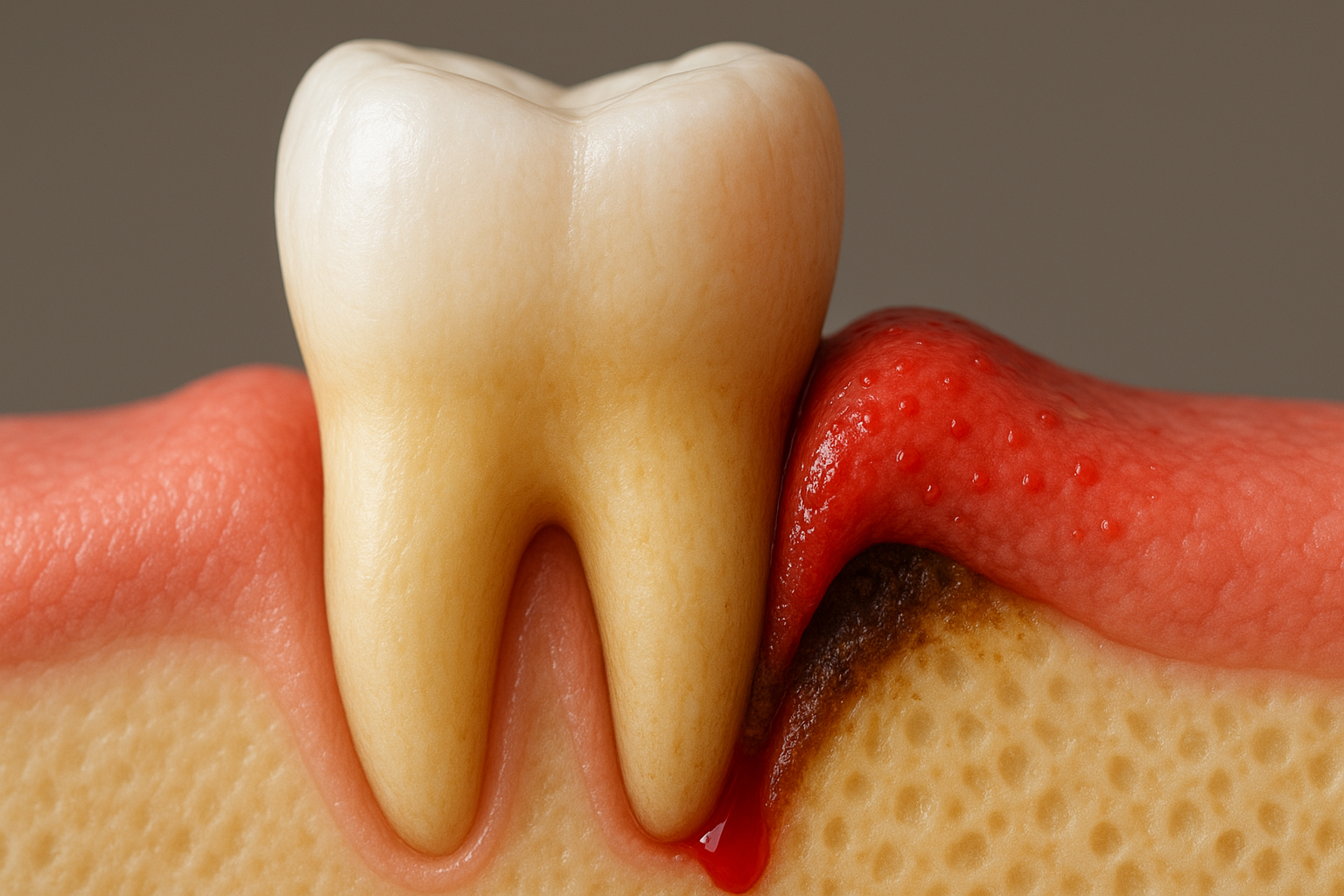
Understanding the progression of gum disease is essential for early prevention
What is Gum Disease?
Gum disease, also known as periodontal disease, is a common condition that affects the tissues surrounding your teeth. At HelpDental, we see this condition frequently and understand how it can impact your overall oral health and quality of life.
The early stage of gum disease is called gingivitis, which is when the gums become swollen and red, and may bleed easily. At this stage, the disease is still reversible and can usually be eliminated by daily brushing and flossing. However, if left untreated, it can progress to more serious forms of periodontal disease.
Causes of Gum Disease
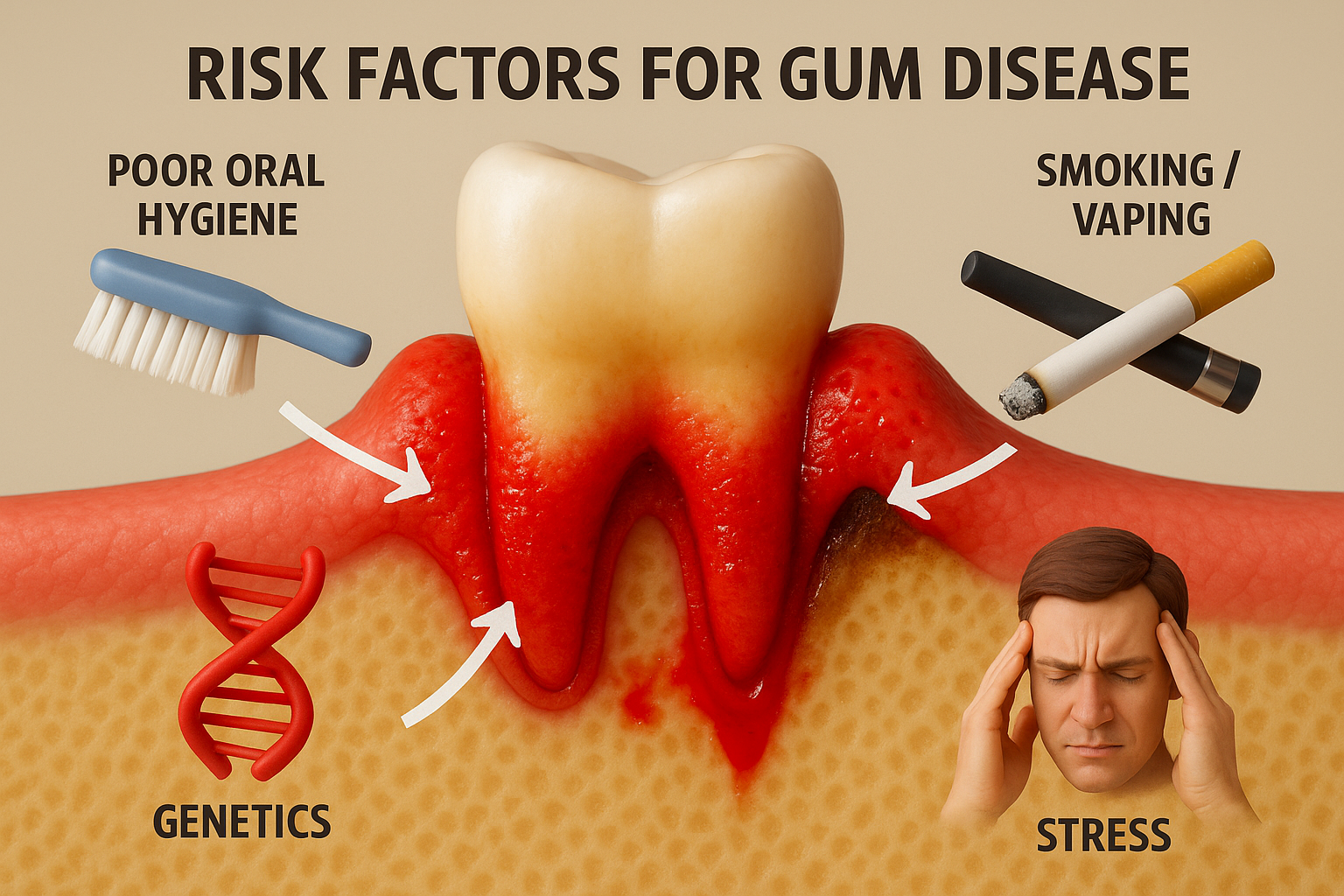
The main cause of gum disease is plaque, but other factors can contribute to periodontal disease, including:
- Hormonal changes, such as those occurring during pregnancy, puberty, menopause, and monthly menstruation
- Illnesses like cancer or HIV that interfere with the immune system
- Medications that reduce the flow of saliva
- Smoking, which makes it harder for gum tissue to repair itself
- Poor oral hygiene habits
- Family history of dental disease
Symptoms of Gum Disease
Symptoms of gum disease include:
- Gums that bleed during and after tooth brushing
- Red, swollen, or tender gums
- Persistent bad breath or bad taste in the mouth
- Receding gums
- Formation of deep pockets between teeth and gums
- Loose or shifting teeth
- Changes in the way teeth fit together when biting
Prevention and Treatment
For most people, preventing gum disease is generally straightforward with good habits. However, some individuals are more susceptible due to genetics, medical conditions, or medications. Key prevention steps include:
- Brush your teeth twice a day with fluoride toothpaste
- Floss daily or use interdental brushes
- Visit your dentist regularly for check-ups and professional cleanings
- Do not smoke. Smoking is one of the biggest risk factors for gum disease
- Manage underlying health conditions (e.g. diabetes) that can increase risk
Treatment for gum disease varies depending on the stage of the disease, but may include:
- Professional dental cleaning
- Scaling and root planing (deep cleaning)
- Medications
- Surgical treatments in advanced cases
Frequently Asked Questions
Related Articles
Last reviewed on 8 January 2025 by Dr Tristan Tinn