Myth or Must: Do You Really Need to Floss Daily?

Dr Tristan Tinn
Founder & Clinical Director
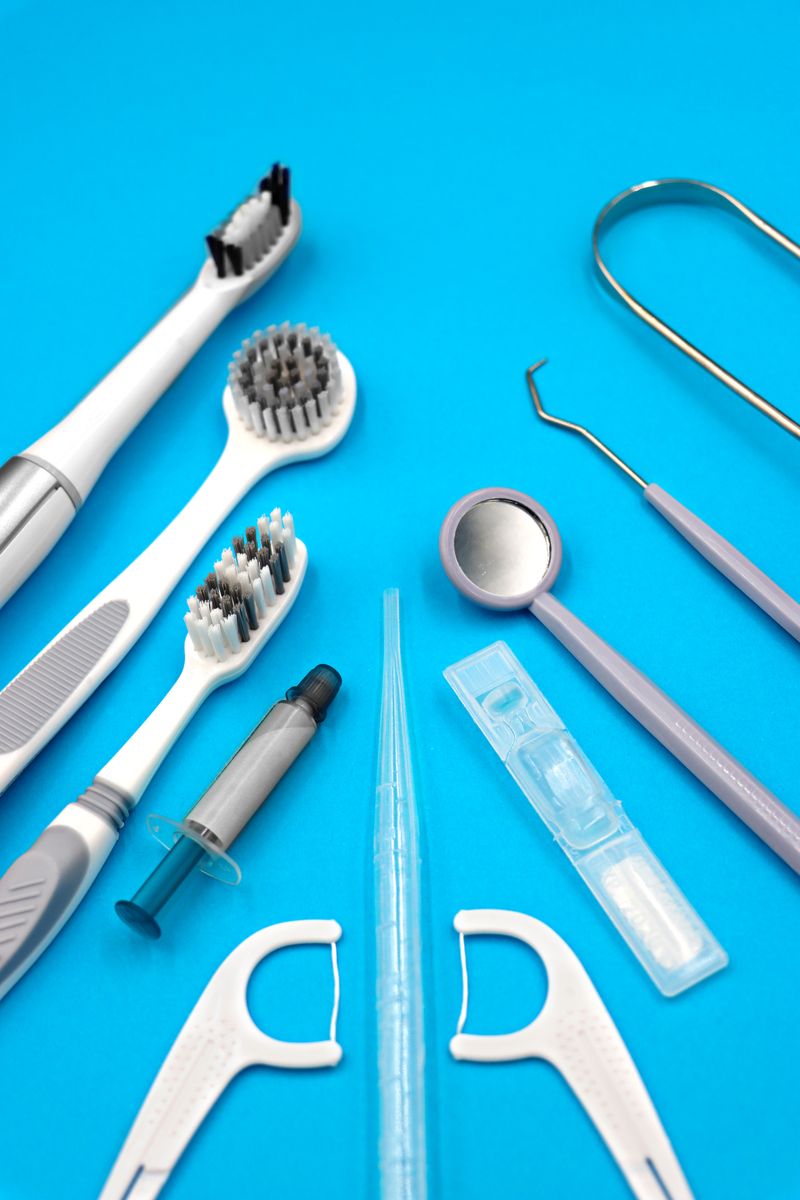

Photo: Unsplash
You've probably heard the headlines: "Flossing doesn't work!" After a 2016 investigation questioned the evidence behind flossing, many people felt vindicated in skipping this fiddly step. But is that the whole story?
Key Takeaways
- •Cleaning between your teeth daily is essential. Your toothbrush only reaches about 60% of tooth surfaces
- •Interdental brushes are often more effective than traditional floss for most people
- •The 2016 headlines were misleading. They questioned flossing studies, not interdental cleaning itself
- •Bleeding gums when you floss means you need to floss more, not less
- •Water flossers are useful but work best alongside physical interdental cleaning, not as a replacement
- •Floss before brushing so fluoride can reach between your teeth
What the Evidence Actually Says
The headlines were based on studies showing weak evidence that flossing prevents cavities. However, there's an important distinction: the studies looked at whether flossing alone made a measurable difference – not whether cleaning between teeth matters.
The Oral Health Foundation and dental professionals worldwide still recommend interdental cleaning because plaque that builds up between teeth causes gum disease and decay – and your toothbrush simply can't reach these areas.
The Real Issue: Technique
Here's the thing: most people don't floss correctly. Sawing the floss back and forth between teeth doesn't clean effectively. Proper technique means curving the floss around each tooth in a C-shape and gently sliding it beneath the gumline.
If you find traditional floss difficult, you're not alone – and there are alternatives that many find easier and more effective.
Alternatives to Traditional Floss
- Interdental brushes: Often recommended over floss by hygienists. These tiny brushes fit between teeth and are especially good if you have gaps or gum recession
- Water flossers: Use a jet of water to flush debris between teeth. Note: research suggests water flossers are less effective than physical interdental cleaning methods – they're best used in combination with floss or interdental brushes, not as a replacement. Useful for people with braces, implants, or dexterity issues
- Floss picks: Pre-threaded floss on a handle, making it easier to reach back teeth
- Soft picks: Flexible rubber picks that massage gums while cleaning
The Bottom Line
Cleaning between your teeth daily is important – but the tool you use matters less than doing it consistently and correctly. Ask your dentist or hygienist which method suits your teeth best; they can show you proper technique and recommend the right size interdental brush for your gaps.
Our recommendation: The best interdental cleaning tool is the one you'll actually use. If you hate flossing, try interdental brushes or a water flosser instead – your gums will thank you.
Related Articles
Sources
- • Oral Health Foundation – Interdental cleaning guidance
- • British Society of Periodontology – Gum health recommendations
Last reviewed on 14 April 2026 by Dr Tristan Tinn