Straight Teeth Without Braces: A Guide to Clear Aligners

Dr Tristan Tinn
Founder & Clinical Director
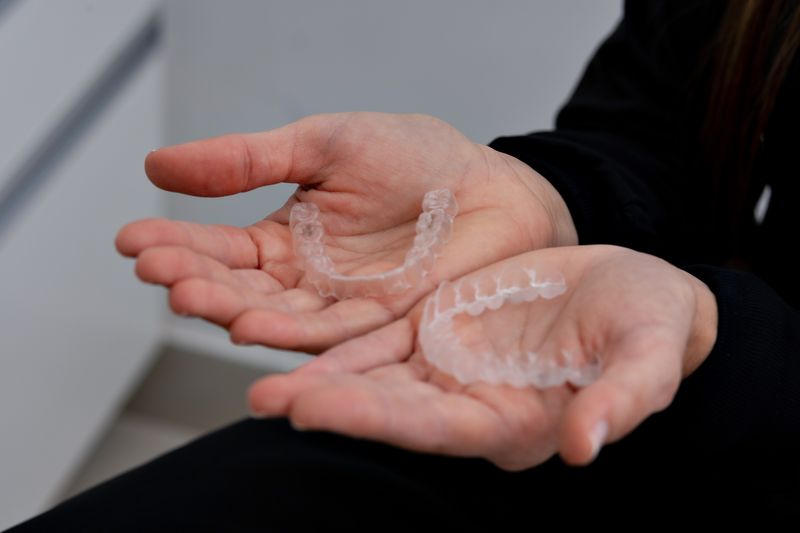

Photo: Unsplash
Always wanted straighter teeth but put off by the thought of metal braces? Clear aligners have transformed orthodontics, offering a nearly invisible way to straighten your smile. Here's everything you need to know.
Key Takeaways
- •Clear aligners are nearly invisible and removable, making them popular with adults
- •Treatment typically costs £1,500 to £5,000+ depending on complexity and brand
- •You must wear aligners 20 to 22 hours per day for them to work. Only remove for eating and brushing
- •Clear aligners work best for mild to moderate crowding, spacing, and bite issues
- •Always choose a dentist or orthodontist-supervised treatment. Avoid unsupervised direct-to-consumer brands
- •Retainers are essential after treatment to prevent teeth moving back. This is for life
How Clear Aligners Work
Clear aligners are custom-made, transparent plastic trays that fit snugly over your teeth. You wear a series of aligners, each slightly different, gradually moving your teeth into the desired position. Treatment typically involves changing to a new aligner every 1-2 weeks.
The aligners are removable – you take them out to eat, drink (anything other than water), and brush your teeth. But for best results, you need to wear them 20-22 hours per day.
What Can They Fix?
Clear aligners work well for:
- Mild to moderate crowding
- Gaps between teeth
- Some bite issues (overbite, underbite, crossbite)
- Teeth that have shifted after previous orthodontic treatment
Complex cases involving severe crowding, significant jaw discrepancies, or teeth that need significant rotation may still require traditional braces or a combination approach.
Cost and Treatment Time
In the UK, clear aligners typically cost £1,500 to £5,500, depending on the complexity of your case and the provider. Treatment time ranges from a few months for minor corrections to 18-24 months for more complex cases.
Many practices offer interest-free payment plans, making treatment more accessible. Some brands also offer remote monitoring, reducing the number of in-person appointments needed.
Clear Aligner Brands Compared
All reputable clear aligner brands are designed to be used under the supervision of a qualified dentist or orthodontist. Here are the main players:
- Invisalign (by Align Technology): The market leader and the most widely used system worldwide. Invisalign has the largest evidence base, the broadest range of treatment options, and is available at most orthodontic and general dental practices.
- Angel Aligners: A growing brand offering competitive pricing for practices, with a strong presence in Europe and Asia. Treatments are clinician-led and lab-manufactured.
- Spark Aligners (by Ormco): Known for their TruGEN material, which is particularly clear and stain-resistant. Spark aligners are manufactured by Ormco, a well-established orthodontic company.
- ClearCorrect (by Straumann): Backed by one of the largest dental implant companies in the world. ClearCorrect offers a flexible system popular with general dentists and orthodontists alike.
- SureSmile (by Dentsply Sirona): Integrates tightly with digital dentistry workflows. SureSmile is often used by practices that already use Dentsply Sirona scanners and software.
- Smilelign (by S4S Orthodontics): A UK-based system manufactured domestically. Popular among general dentists for mild to moderate cases, with shorter turnaround times than overseas labs and strong clinical support.
The right brand for you often depends on what your dentist or orthodontist recommends for your specific case. All of the above are practice-based systems, meaning your treatment is planned, monitored, and adjusted by a qualified professional.
Why You Should Avoid Direct-to-Consumer Aligners
In recent years, several companies have tried to sell clear aligners directly to consumers, bypassing dentists entirely. The most prominent was SmileDirectClub, which went bankrupt in 2023, leaving thousands of patients mid-treatment with no clinical support, no refunds, and no one to turn to.
This is not a one-off cautionary tale. The fundamental problem with direct-to-consumer (DTC) aligners is that they skip the clinical oversight that makes orthodontic treatment safe. Moving teeth is a medical procedure. Without proper assessment, X-rays, and ongoing monitoring by a qualified dentist or orthodontist, things can go seriously wrong, including root damage, gum recession, bite problems, and irreversible tooth loss.
Our advice: Never use aligners that are not supervised by a qualified dentist or orthodontist. No amount of cost savings is worth risking permanent damage to your teeth and gums. If a company promises to straighten your teeth without a dentist ever examining you in person, walk away.
Is It Right for You?
The best way to find out is with a consultation. Many practices offer free or low-cost consultations where they'll assess your teeth, discuss your goals, and explain whether clear aligners are suitable for your case.
Sources
- • British Orthodontic Society – Orthodontic treatment information
- • NHS – Braces and orthodontics
Last reviewed on 15 April 2026 by Dr Tristan Tinn