Virtual Dental Consultations: Is Teledentistry Right for You?

Dr Tristan Tinn
Founder & Clinical Director
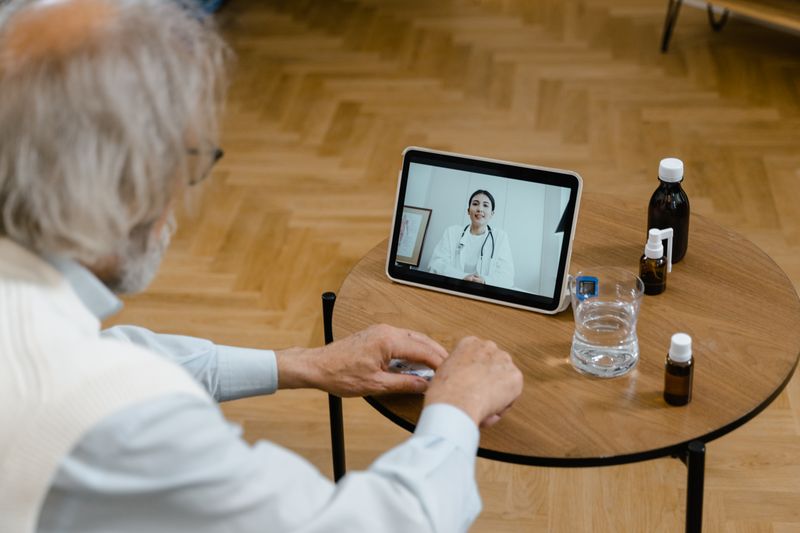

Photo: Unsplash
Key Takeaways
- •Teledentistry is useful for triage, follow-ups, treatment discussions, and quick advice. It cannot replace in-person examinations.
- •Virtual consultations cost £20 to £50 privately. NHS triage by phone or video is often free.
- •A dentist can offer preliminary assessments remotely but definitive diagnosis needs clinical examination and X-rays.
- •Good lighting and close-up photos of the problem area make virtual consultations much more useful.
- •Teledentistry works well alongside in-person care. It should complement your regular check-ups, not replace them.
The pandemic accelerated the adoption of telemedicine across healthcare, including dentistry. But can a dentist really help you through a screen? Here's an honest look at what teledentistry can and can't do in the UK.
What Is Teledentistry?
Teledentistry is the delivery of dental advice, triage, and consultation remotely, typically via video call, phone call, or secure messaging. It allows patients to connect with a qualified dentist without visiting a practice in person.
It's not a new concept, but the pandemic made it mainstream. Many UK practices now offer virtual consultations as a standard part of their service, and several dedicated teledentistry platforms have launched in recent years.
When Teledentistry Works Well
Virtual dental consultations are most useful for situations where visual assessment and discussion are the primary need, not hands-on treatment. These include:
- Initial consultations: Discussing concerns, symptoms, and whether you need to be seen in person
- Emergency triage: Determining the urgency of a problem and getting advice on managing it while you arrange an appointment
- Treatment planning discussions: Reviewing options and costs after an in-person examination
- Post-treatment follow-ups: Checking recovery without requiring a trip to the practice
- Orthodontic monitoring: Some aligner treatments include remote progress checks
- Second opinions: Getting another perspective on a recommended treatment
- Oral health advice: Questions about brushing, diet, and general dental care
- Medication reviews: Discussing whether current medications might be affecting your oral health
What Teledentistry Cannot Do
Virtual consultations have real limitations. A video call cannot replace the information a dentist gathers from a hands-on examination. These are things a virtual consultation simply cannot provide:
- X-rays or other diagnostic imaging
- Physical examinations (checking for decay, gum probing, bite assessment)
- Hands-on treatment of any kind
- Detection of problems that aren't visible or causing symptoms yet
- Reliable prescribing without a clinical assessment (in most cases)
| Situation | Teledentistry? | In-person needed? |
|---|---|---|
| Quick advice on a concern | Good fit | Maybe later |
| Emergency triage | Good first step | Usually yes, for treatment |
| Post-treatment follow-up | Good fit | Only if complications |
| Toothache diagnosis | Preliminary only | Yes, for X-rays and treatment |
| Routine check-up | Not suitable | Yes, essential |
| Filling, crown, or extraction | Not possible | Yes |
Important: Teledentistry is not a replacement for regular check-ups. It's a complement to in-person care, not a substitute. Some serious conditions, including early-stage mouth cancer, can only be detected through physical examination and X-rays.
How Much Does Teledentistry Cost in the UK?
Costs vary depending on whether you use NHS or private services.
- NHS triage: Phone or video triage is usually free or included in your NHS band charge if treatment follows
- Private virtual consultations: Typically £20 to £50 for a 15-20 minute appointment
- Some practices offer free initial video consultations for new patients to discuss concerns before booking in-person
If you're struggling to find an NHS dentist, a private teledentistry consultation can be a cost-effective way to get professional advice quickly.
Making the Most of a Virtual Consultation
A little preparation goes a long way. Here's how to get the best outcome from a virtual dental appointment.
- Good lighting: Ensure your mouth is well-lit so the dentist can see clearly. Natural daylight or a bright desk lamp works well
- Take photos beforehand: Close-up images of the area of concern can be very helpful. Use your phone's torch to illuminate inside your mouth
- Have your history ready: Medications, allergies, previous dental work, and any relevant medical conditions
- List your questions: Make notes so you don't forget anything during the consultation
- Be prepared to follow up in person: Understand that you may need an in-person visit after the consultation
- Test your technology: Check your camera, microphone, and internet connection before the appointment
Teledentistry and Dental Anxiety
If you suffer from dental anxiety, teledentistry can be a useful first step. Speaking to a dentist from the comfort of your own home can feel far less intimidating than sitting in a dental chair.
A virtual consultation allows you to build rapport with a dentist, discuss your fears, and agree on a plan before you set foot in the practice. Many anxious patients find this makes the eventual in-person visit much easier.
Bottom line: Teledentistry is a useful tool for convenience, quick advice, and triaging concerns. But your teeth still need regular in-person attention. Use it to complement your dental care, not replace it.
Frequently Asked Questions
What can a dentist do over video call?
Virtual consultations are useful for initial assessments, discussing treatment options, follow-up appointments, emergency triage, and getting advice on oral health concerns. They cannot replace examinations, X-rays, or hands-on treatment.
Is teledentistry covered by the NHS?
Some NHS dental services now offer telephone or video consultations for initial triage and advice. Private teledentistry services typically cost £20 to £50 for those who want quick access to dental advice.
Can a dentist prescribe antibiotics over video call?
In some cases, yes. If a dentist can assess your symptoms adequately and determines you have a spreading infection, they may prescribe antibiotics remotely. However, many conditions require in-person examination first. Antibiotics alone do not cure dental infections.
Is teledentistry suitable for dental emergencies?
Teledentistry can triage dental emergencies and determine how urgently you need to be seen. A dentist can advise on pain management and direct you to the most appropriate emergency service. But it cannot replace the hands-on treatment most emergencies require.
Can I get a dental diagnosis through teledentistry?
A dentist can offer a preliminary assessment based on your symptoms and photos, but a definitive diagnosis usually requires an in-person examination with clinical tests and X-rays. Teledentistry works best for triage, advice, and follow-up.
What technology do I need?
You need a smartphone, tablet, or computer with a camera and microphone, plus a stable internet connection. Most practices use standard video platforms. Good lighting is important so the dentist can see inside your mouth if needed.
Can teledentistry be used for orthodontic treatment?
Yes. Many clear aligner companies use teledentistry for remote progress monitoring. Patients take photos at regular intervals, and the orthodontist reviews them remotely. Initial assessments and complex adjustments still require in-person visits.
How do I find a dentist who offers virtual consultations?
Many UK dental practices now offer video consultations. You can search for dentists near you and check their websites for virtual consultation options. Alternatively, there are dedicated teledentistry platforms that connect you with dentists online.
Related Articles
Sources
- • British Dental Association – Teledentistry guidance
- • NHS England – Digital dental services
- • General Dental Council – Standards for remote consultations
Last reviewed on 14 April 2026 by Dr Tristan Tinn