Teeth Whitening Woes: Safe Ways to Brighten Your Smile

Dr Tristan Tinn
Founder & Clinical Director
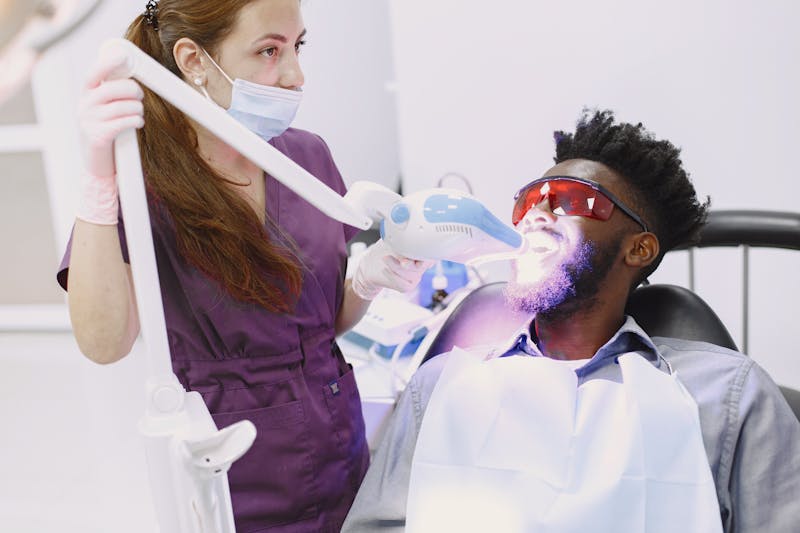
Photo: Lesly Juarez / Unsplash
Key Takeaways
- •Most whitening 'hacks' (charcoal, lemon juice, baking soda) don't work and can damage your enamel permanently.
- •Professional dentist-supervised whitening is the only safe, effective way to genuinely change your tooth colour.
- •In the UK, only GDC-registered dental professionals can legally perform teeth whitening.
- •Over-the-counter whitening products are limited to 0.1% hydrogen peroxide, which is too weak to produce noticeable results.
- •Whitening toothpaste can remove surface stains but won't change the underlying colour of your teeth.
Everyone wants a brighter smile, and the internet is full of whitening "hacks" promising Hollywood teeth on a budget. But many of these methods don't work. Some can cause real harm. Here's what you need to know about which whitening methods are safe and which ones to avoid.
Whitening Methods to Avoid
Several popular whitening trends can damage your teeth. Here are the ones to steer clear of.
Charcoal Toothpaste
Despite the marketing, there's no evidence charcoal whitens teeth. It's abrasive, which may scrub off surface stains temporarily. But it also wears away enamel.
Over time, this can make teeth appear more yellow as the darker dentine layer shows through. The Oral Health Foundation does not recommend charcoal toothpaste for whitening.
Lemon Juice and Baking Soda
This combination is highly acidic and abrasive. The acid weakens your enamel, then the baking soda scrubs it away. Any whitening effect is just your enamel being stripped. This is one of the most damaging DIY methods.
Oil Pulling
Swishing coconut oil around your mouth for 20 minutes is a popular wellness trend. While it's unlikely to cause harm, there is no scientific evidence it whitens teeth. It may help reduce bacteria in the mouth, but it's not a substitute for brushing and flossing.
High-Street Whitening Kits and Strips
In the UK, whitening products containing more than 0.1% hydrogen peroxide can only legally be supplied by dental professionals. Products sold online or in shops either don't work (too weak) or are illegal and potentially dangerous (too strong, unregulated).
Whitening strips from overseas websites may contain concentrations high enough to cause chemical burns to your gums and permanent enamel damage.
UV or LED Whitening Lights
Many at-home whitening kits include a blue LED light, claiming it activates the whitening gel. Research shows these lights make little to no difference to the whitening outcome. In some cases, UV lights can cause soft tissue damage. The gel does the work, not the light.
| Method | Does It Work? | Is It Safe? | Verdict |
|---|---|---|---|
| Professional whitening (dentist) | Yes | Yes | Best option |
| Whitening toothpaste | Surface stains only | Yes | Good for maintenance |
| Charcoal toothpaste | No | Can damage enamel | Avoid |
| Lemon juice + baking soda | No | Damages enamel | Avoid |
| Shop-bought whitening strips | Too weak / unregulated | Risky if unregulated | Avoid |
| Oil pulling | No evidence | Harmless | Won't whiten teeth |
| Hygienist clean | Removes staining | Yes | Great first step |
What Actually Works for Teeth Whitening
If you want to genuinely change the colour of your teeth, there are only a few methods that are both effective and safe. All of them involve a dental professional.
Professional Whitening from Your Dentist
Dentist-supervised whitening uses carefully formulated products at safe, effective concentrations. UK dentists can legally use up to 6% hydrogen peroxide, which is 60 times stronger than over-the-counter products. Options include:
- In-surgery whitening: Faster results in a single appointment, typically costing £300 to £700
- Home whitening kits from your dentist: Custom trays with professional-grade gel to use at home over 2-4 weeks. Usually £200 to £400 and considered the best value option
Whitening Toothpaste (With Realistic Expectations)
Whitening toothpastes can help remove surface stains from tea, coffee, or red wine. But they won't change the underlying colour of your teeth. They're good for maintenance after professional whitening.
Look for one with the Oral Health Foundation approved stamp. Avoid any that feel overly gritty, as these may be too abrasive for daily use.
Hygienist Visits
Sometimes what looks like discolouration is actually tartar buildup or surface staining. A professional clean can make a noticeable difference before you consider whitening. Many people are surprised how much brighter their teeth look after a thorough scale and polish.
Looking for a dentist who offers professional whitening? Search for dentists near you.
Who Should Avoid Teeth Whitening?
Professional whitening is safe for most adults, but it's not suitable for everyone. Your dentist will advise against whitening if you have:
- Untreated tooth decay or gum disease (these need treatment first)
- Very sensitive teeth that haven't been assessed
- Extensive crowns, veneers, or fillings on front teeth (whitening won't affect these)
- Pregnancy or breastfeeding (as a precaution)
Children and teenagers under 18 should not have teeth whitening. Their teeth are still developing and the nerve chamber is larger, making them more susceptible to sensitivity.
Key point: The only safe, effective way to genuinely whiten teeth is through a dental professional. Anything else is either ineffective, damaging, or both.
Frequently Asked Questions
Does charcoal toothpaste whiten teeth?
There's no scientific evidence that charcoal toothpaste whitens teeth. It's abrasive, which may remove surface stains temporarily but can also wear away enamel over time, making teeth appear more yellow as the darker dentine shows through.
Is teeth whitening safe?
Professional teeth whitening supervised by a dentist is safe and effective. Over-the-counter products and DIY methods can cause sensitivity, gum irritation, and enamel damage if used incorrectly or with unsafe concentrations.
Can whitening strips damage your teeth?
Whitening strips sold in the UK are limited to 0.1% hydrogen peroxide, which is too weak to make a noticeable difference. Strips bought from overseas may contain much higher concentrations that can cause enamel erosion, gum burns, and increased sensitivity.
How much does professional teeth whitening cost?
Professional take-home kits from a dentist typically cost £200 to £400. In-surgery treatments range from £300 to £700. Whitening is not available on the NHS as it's classified as cosmetic. See our full teeth whitening cost guide for details.
Is it illegal to get teeth whitening at a beauty salon?
Yes. In the UK, only GDC-registered dental professionals can legally perform teeth whitening. Beauty salons, hairdressers, and mobile whitening services are breaking the law. These treatments have been linked to chemical burns and permanent enamel damage.
How long do whitening results last?
Professional whitening results typically last one to three years. Tea, coffee, red wine, and smoking cause results to fade faster. Most dentists recommend occasional top-ups with your custom take-home trays.
Can you whiten teeth if you have crowns or fillings?
Whitening gel only works on natural tooth enamel. It will not change the colour of crowns, veneers, fillings, or bonding. If you're planning cosmetic work, whiten your natural teeth first so the restorations can be colour-matched to your new shade.
What is the best whitening toothpaste?
Whitening toothpastes remove surface stains but won't change your tooth colour. Look for the Oral Health Foundation approved stamp. They work best as maintenance after professional whitening, not as a standalone solution.
Related Articles
Teeth Whitening Cost UK 2026
How much you'll actually pay for professional whitening.
Teeth Whitening Treatment Guide
Everything you need to know about professional whitening.
Tooth Turning Grey or Dark
Why a single tooth changes colour and treatment options.
DIY Dentistry Dangers
More dental hacks that can cause harm.
Sources
- • General Dental Council – Teeth whitening regulations
- • Oral Health Foundation – Whitening safety guidance
- • NICE – Clinical guidelines
Last reviewed on 14 April 2026 by Dr Tristan Tinn