Gum Boil: What It Is, Why It Happens and How to Treat It

Dr Tristan Tinn
Founder & Clinical Director
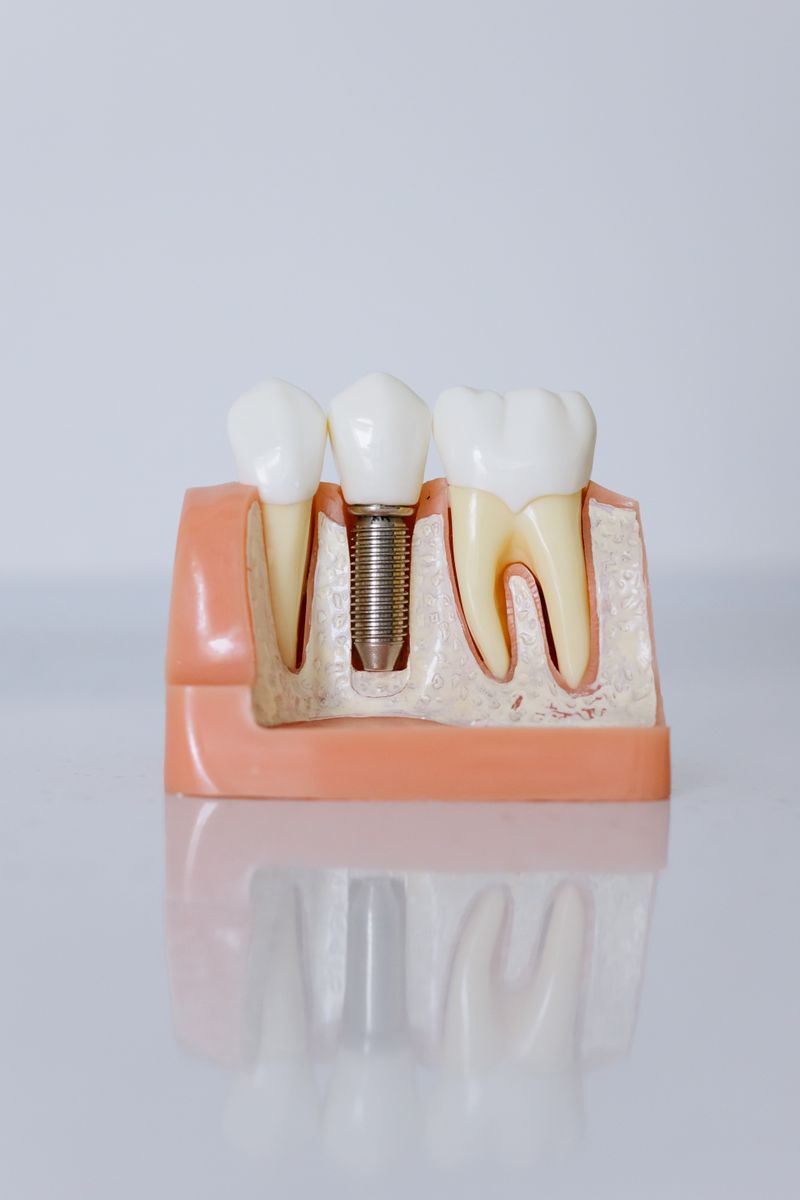
Discovering a small bump on your gum can be alarming, but it is a surprisingly common dental finding. A gum boil (known clinically as a parulis) is essentially your body's drainage system for an underlying dental infection. While it may seem minor, it almost always indicates a problem that needs professional treatment. Here is what you need to know.
Key Takeaways
- •A gum boil is a small pus-filled bump that signals an underlying dental infection
- •It will not go away on its own. The source of the infection needs professional treatment
- •Treatment usually involves root canal therapy or extraction of the infected tooth
- •Do not try to pop or drain a gum boil yourself. This risks spreading the infection
- •A painless gum boil still needs treatment. The lack of pain means pus is draining, not that it is healing
- •See your dentist promptly. Untreated infections can spread to the jaw and surrounding tissues
What Exactly Is a Gum Boil?
A gum boil is a small, pus-filled bump that forms on the gum tissue. It is the visible opening of a sinus tract (or fistula) — a narrow channel through which pus from a deeper infection drains to the surface. Think of it as a safety valve: when an abscess forms deep in the bone or gum, the pressure of the accumulating pus creates a path to the surface, resulting in the bump you can see and feel.
They typically appear as a small white, yellow, or reddish lump — often near the root of a specific tooth. They may be painless (because the drainage is relieving pressure) or mildly tender. You might notice a salty, unpleasant taste in your mouth when the boil drains.
Noticed a bump on your gum? Find a dentist near you who can assess it promptly.
What Causes a Gum Boil?
A gum boil is always a sign of an underlying infection. The most common causes include:
Periapical Abscess
This is the most common cause. A periapical abscess forms at the tip of a tooth's root, usually as a result of untreated tooth decay, a cracked tooth, or previous trauma that has caused the nerve inside the tooth to die. The infection at the root tip builds up pressure and eventually creates a drainage channel through the bone and gum, forming the boil. For more detail on dental abscesses, see our guide on dental abscesses.
Periodontal Abscess
A periodontal abscess originates in the gum tissue and bone alongside a tooth, rather than at the root tip. It is typically associated with advanced gum disease, where bacteria become trapped in a deep gum pocket. This type may also present as a gum boil, particularly if the pocket is deep enough for pus to build up.
Foreign Body
Occasionally, a gum boil can form around a foreign body trapped in the gum tissue — such as a piece of popcorn husk, a small bone fragment, or a bristle from a toothbrush. The body treats this as an irritant and forms a localised infection around it.
Warning: Do NOT pop a gum boil yourself. While it may be tempting to squeeze or lance the bump, doing so can push bacteria deeper into the tissue, worsen the infection, or introduce new bacteria from your fingers. Let your dentist manage it safely.
Home Care While Waiting for Your Appointment
A gum boil always needs professional treatment, but there are some things you can do to manage it while waiting for your dental appointment:
- Salt water rinses: Dissolve half a teaspoon of salt in a glass of warm water and gently rinse several times a day. This can help keep the area clean and may encourage drainage
- Pain relief: Over-the-counter painkillers such as ibuprofen (which also reduces inflammation) or paracetamol can help manage discomfort. Follow packet instructions
- Keep the area clean: Continue brushing your teeth gently, including around the affected area. A soft toothbrush may be more comfortable
- Avoid applying heat externally: Do not hold a hot water bottle or heat pack against your cheek, as this can encourage the infection to spread outward
- Eat soft foods: Avoid chewing on the affected side if it is uncomfortable
Tip: If the gum boil drains on its own, the pain may temporarily improve — but this does not mean the problem has resolved. The infection is still there and the boil will almost certainly return. You still need to see a dentist.
Not sure how urgent your gum boil is? Describe your symptoms in the chat below and we can help you decide on next steps.
How Your Dentist Will Treat It
Treatment focuses on addressing the underlying cause, not just the boil itself. The approach depends on what is causing the infection:
- Root canal treatment: If the cause is a periapical abscess (infected tooth nerve), root canal treatment removes the infected tissue from inside the tooth, cleans and seals the canals, and eliminates the source of infection. The gum boil typically resolves within a few weeks once the infection is cleared
- Deep cleaning (debridement): If the cause is a periodontal abscess, your dentist may drain the abscess and carry out a thorough deep clean of the affected gum pocket to remove bacteria and calculus
- Extraction: If the tooth is too badly damaged or decayed to be saved, extraction may be the most appropriate option. Removing the tooth removes the source of infection
- Antibiotics: Your dentist may prescribe antibiotics, particularly if the infection has spread or if you have signs of systemic infection (fever, feeling unwell, facial swelling). However, antibiotics alone will not cure a dental abscess — the source of infection must also be treated
- Foreign body removal: If a foreign object is identified, your dentist will remove it, after which the gum typically heals on its own
When Is It Urgent?
When to see a dentist urgently: While most gum boils are not medical emergencies, you should seek urgent dental care if you develop facial swelling, difficulty opening your mouth or swallowing, a high temperature, feel generally unwell, or if the swelling is getting rapidly worse. These can be signs that the infection is spreading and may need emergency treatment. If you cannot reach a dentist, call NHS 111 or go to A&E if you have difficulty breathing or swallowing.
A gum boil that is small, not particularly painful, and without any of the above symptoms can usually wait for a routine dental appointment — but do not delay unnecessarily. The underlying infection will not resolve without treatment, and there is always a risk it could worsen. For more information on dental infections, see our comprehensive guide to swollen gums.
Bottom line: A gum boil is your body's way of telling you there is a dental infection that needs attention. Do not ignore it, do not pop it, and do not assume it will sort itself out. See your dentist so the underlying cause can be identified and properly treated.
Sources
- • NHS – Dental abscess
- • NHS – Root canal treatment
- • British Dental Association – Patient information
Last reviewed on 15 April 2026 by Dr Tristan Tinn