Child Toothache: What to Do When Your Little One Is in Pain

Dr Tristan Tinn
Founder & Clinical Director
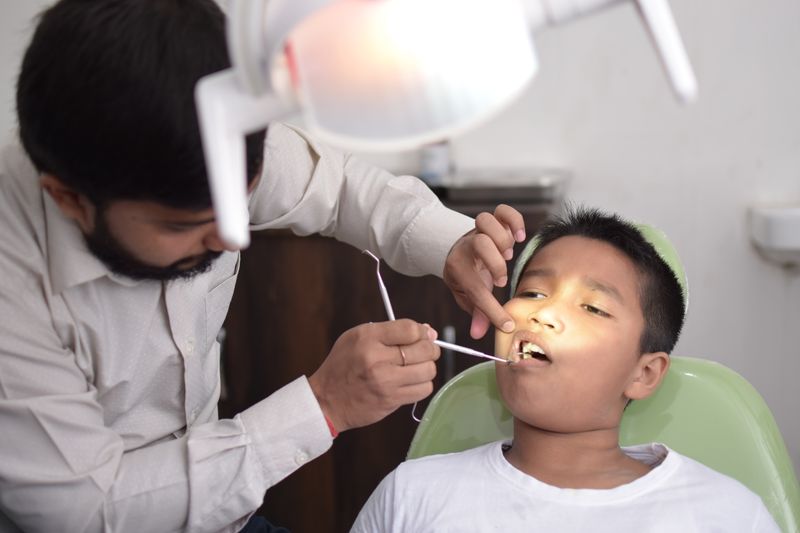
Few things are more distressing for a parent than seeing your child in pain. Toothache can be especially upsetting because little ones often cannot explain exactly what is wrong. The good news is that most childhood toothaches have straightforward causes and can be managed at home while you arrange a dental appointment. Here is what you need to know.
Key Takeaways
- •Tooth decay is the most common cause of toothache in children. Baby teeth have thinner enamel and decay faster
- •Give children's paracetamol (Calpol) or children's ibuprofen (Nurofen for Children) for pain. Never give aspirin to under-16s
- •Seek urgent care if your child has facial swelling, fever with dental pain, or cannot eat or drink
- •All NHS dental treatment is free for children under 18 in the UK
- •Even if the pain goes away on its own, follow up with a dental visit. The underlying problem may still need treatment
Common Causes of Toothache in Children
The most common cause of toothache in children is tooth decay. Other causes include teething, loose baby teeth, food stuck between teeth, mouth ulcers, and dental injuries. Understanding the likely cause helps you decide how urgently your child needs to be seen.
Understanding what might be causing your child's pain can help you decide how urgently they need to be seen:
- Tooth decay: This is the most common cause of toothache in children. Cavities can develop quickly in baby teeth because the enamel is thinner than in adult teeth. Pain may be constant or triggered by sweet, hot, or cold foods
- New teeth erupting: Teething pain affects babies and toddlers as their first teeth come through, and children aged around 6 to 12 as their adult teeth emerge. The gums may look red and swollen where the new tooth is pushing through
- Loose baby tooth: As baby teeth prepare to fall out, they can wobble and cause discomfort, particularly when eating. This is usually normal and not a cause for concern
- Food stuck between teeth: A surprisingly common and easily overlooked cause. A piece of food wedged between teeth can cause significant pain and gum inflammation
- Mouth ulcer: Ulcers on the gums near a tooth can feel like toothache to a child. They are usually harmless and heal within 7 to 10 days
- Injury or trauma: A bump or fall can damage a tooth even if the damage is not immediately visible. If your child has had a knock to the mouth, have it checked by a dentist
Need to find a dentist who sees children? Search for available appointments near you.
Safe Pain Relief for Children
While you wait for a dental appointment, these measures can help keep your child comfortable:
Paracetamol and Ibuprofen
Children's paracetamol (such as Calpol) and children's ibuprofen (such as Nurofen for Children) are the safest options for dental pain in children. Always follow the dosage instructions on the packaging for your child's age and weight. You can alternate between the two if one alone is not providing enough relief, but do not exceed the recommended dose of either.
Important: Never give aspirin to children under 16 years of age. Aspirin in children has been linked to a rare but serious condition called Reye's syndrome. Stick to paracetamol or ibuprofen only.
Home Comfort Measures
- Cold compress: Wrap ice or a bag of frozen peas in a tea towel and hold it against your child's cheek for 10 to 15 minutes. This can help reduce swelling and numb the area
- Salt water rinse: For children old enough to rinse and spit (usually 6 and over), dissolve half a teaspoon of salt in a glass of warm water. This can help clean the area and reduce inflammation
- Soft foods: Offer lukewarm, soft foods and avoid anything very hot, cold, or sweet that might trigger pain
- Distraction: Sometimes the best pain relief for a young child is a good distraction. A favourite film, a story, or a quiet activity can help take their mind off the discomfort
- Elevated head position: If pain is worse at night, an extra pillow can help reduce blood flow to the head and ease throbbing
Unsure how to manage your child's symptoms? Describe what is happening in the chat below and we can help you work out the best next step.
When Is It Urgent?
Most childhood toothaches can wait for a routine dental appointment within a day or two. However, you should seek urgent care if your child has:
- Facial swelling: This may indicate an abscess or spreading infection
- Fever alongside dental pain: A sign that infection may be present
- Trauma to the teeth or jaw: Especially if teeth have been loosened, displaced, or knocked out
- Unable to eat or drink: Dehydration is a concern, particularly in younger children
- Severe, uncontrollable pain: Pain that does not respond to over-the-counter painkillers
If your child has any of these symptoms, contact your dentist for an emergency appointment or call NHS 111 for advice. For guidance on what counts as a dental emergency, see our dedicated guide.
When to see a dentist: Even if the pain settles on its own, any toothache in a child should be followed up with a dental visit. Pain that comes and goes can still indicate decay or infection that needs treatment. Do not assume the problem has resolved simply because the pain has stopped.
NHS Dental Care for Children
Good news: NHS dental treatment is completely free for all children under 18 in the UK (and under 19 if in full-time education). This includes check-ups, fillings, extractions, and any other clinically necessary treatment. You do not need to pay anything. Just make sure your child is registered with an NHS dentist.
If you are struggling to find an NHS dentist accepting new child patients in your area, call NHS 111 or use our search tool to find practices with availability near you. Your child's first dental visit should ideally happen when their first teeth start to appear, or by their first birthday.
Preventing Toothache in Children
The best way to avoid the distress of childhood toothache is prevention:
- Brush twice daily with a fluoride toothpaste. Children under 3 should use a smear, children 3 to 6 a pea-sized amount, and children over 6 can use regular fluoride toothpaste
- Supervise brushing until at least age 7, as children lack the dexterity to brush effectively on their own
- Limit sugary snacks and drinks, particularly between meals. Water and milk are the safest drinks for teeth
- Attend regular dental check-ups. Your dentist can spot early signs of decay and apply fluoride varnish to strengthen the enamel
- Consider fissure sealants. A protective coating applied to the biting surfaces of back teeth, often available free on the NHS for children
Tip: Make brushing fun — let your child choose their own toothbrush (character designs can help), use a two-minute timer or a brushing app, and brush your own teeth alongside them so they see it as a normal part of the routine.
Sources
- • NHS – Toothache
- • NHS – Children's teeth
- • NHS – NHS dental charges
- • British Society of Paediatric Dentistry – Patient resources
Last reviewed on 14 April 2026 by Dr Tristan Tinn