Jaw Pain and Clicking: Is It TMJ and What Can You Do?

Dr Tristan Tinn
Founder & Clinical Director
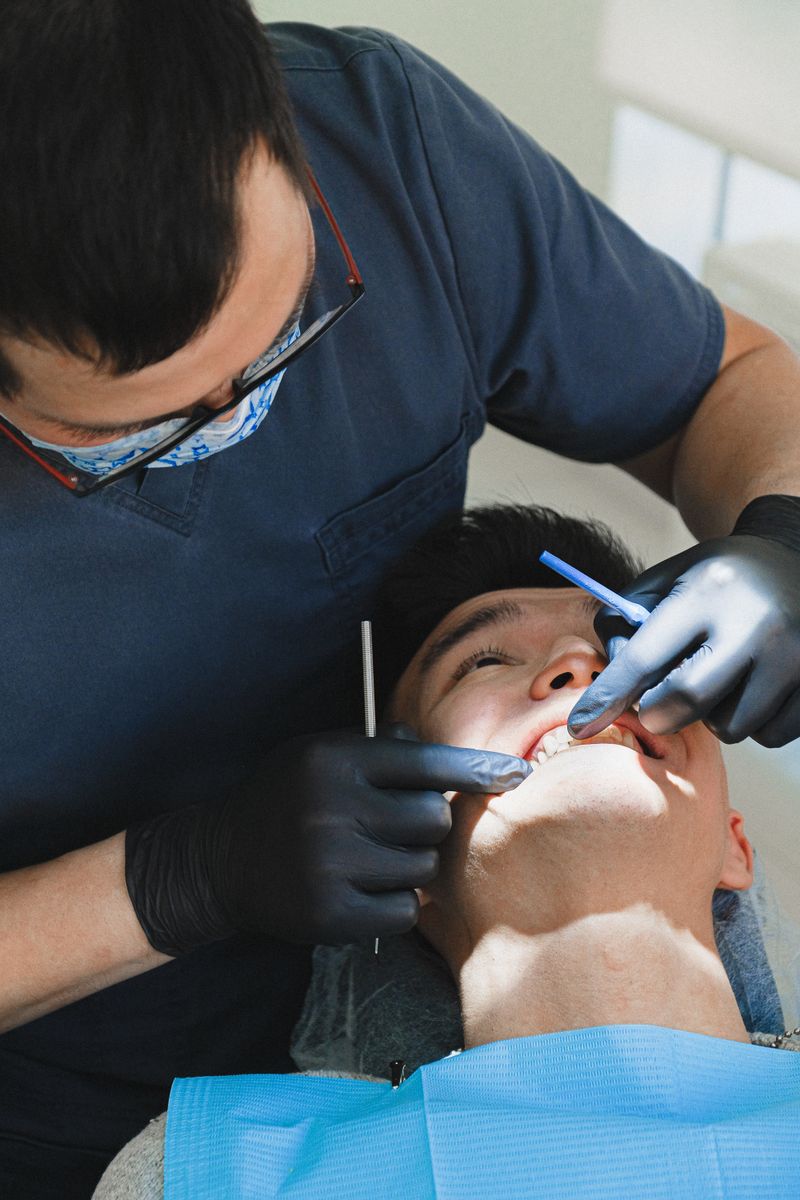
If you have ever opened your mouth to yawn and heard a loud click, or felt a dull ache radiating through your jaw after a long day, you are not alone. Jaw pain and clicking are remarkably common, and they are often linked to a group of conditions involving the temporomandibular joint, commonly referred to as TMJ or TMD (temporomandibular disorder).
While the experience can be alarming, most cases can be managed effectively with straightforward self-care and, when needed, professional support.
Key Takeaways
- •Jaw clicking without pain is usually harmless and very common.
- •TMD is often caused by stress, clenching, grinding, or injury to the jaw.
- •Most cases improve with self-care: soft foods, warmth, gentle exercises, and stress reduction.
- •A custom bite splint worn at night is one of the most effective professional treatments.
- •See a dentist if jaw pain persists for more than two weeks or your jaw locks.
- •Surgery is rarely needed and is only considered as a last resort.
What Is the Temporomandibular Joint?
The temporomandibular joint is the hinge joint that connects your lower jaw (mandible) to the temporal bone of your skull, just in front of each ear. You have one on each side. These joints work together every time you talk, chew, or yawn, making them some of the most frequently used joints in your body. A small disc of cartilage sits between the bones, acting as a cushion and allowing smooth movement. When something goes wrong with the joint, the muscles around it, or the disc itself, the resulting problems are collectively known as temporomandibular disorders (TMD).
Common Symptoms of TMD
TMD can present in a variety of ways, and symptoms may come and go. Common signs include:
- Clicking, popping, or grating sounds when you open or close your mouth. These may or may not be accompanied by pain.
- Pain or tenderness in the jaw, particularly when chewing, speaking, or opening wide.
- Jaw locking, where the jaw gets stuck in an open or closed position, sometimes requiring gentle manipulation to free it.
- Headaches, especially tension-type headaches that may feel like a band around the temples.
- Earache or a feeling of fullness in the ears, even when no ear infection is present.
- Facial pain that can radiate to the neck and shoulders.
- Difficulty opening the mouth fully, or a sense that the bite feels different or uneven.
Need to find a dentist who can see you quickly? Search for available appointments near you.
What Causes TMD?
There is rarely a single cause. TMD often results from a combination of factors, and in many cases the exact trigger may not be clear. Some of the most common contributing factors include:
- Stress and clenching: When under stress, many people unconsciously clench their jaw or grind their teeth (a condition known as bruxism). This places excessive strain on the jaw muscles and joint, and is one of the most common triggers for TMD symptoms.
- Arthritis: Osteoarthritis or rheumatoid arthritis can affect the temporomandibular joint just as they affect other joints in the body, leading to inflammation and degeneration of the joint surfaces.
- Injury or trauma: A blow to the jaw, whiplash, or even prolonged dental treatment requiring the mouth to be held open for long periods can trigger TMD.
- Malocclusion: An uneven bite or missing teeth may contribute to uneven stress on the jaw joints, though this is debated among dental professionals.
- Disc displacement: The cartilage disc inside the joint can slip out of its normal position, causing clicking and sometimes locking.
Self-Care: What You Can Do at Home
The good news is that many TMD symptoms can improve with simple self-care measures. The NHS and the British Dental Association both recommend trying these approaches first:
- Eat softer foods: Give your jaw a rest by choosing foods that require less chewing. Avoid hard, crunchy, or chewy foods such as crusty bread, toffee, or raw carrots for a few weeks.
- Gentle jaw exercises: Slow, controlled opening and closing of the mouth, and side-to-side movements, may help improve mobility and reduce stiffness. Your dentist or a physiotherapist can recommend specific exercises suited to your situation.
- Apply warmth: A warm flannel or heat pack held against the side of the face for 10 to 15 minutes can help relax tense jaw muscles and ease discomfort.
- Avoid wide opening: Try not to open your mouth excessively wide, for instance when yawning. Supporting your chin with your hand during yawning may help.
- Pain relief: Over-the-counter painkillers such as ibuprofen can help manage pain and reduce inflammation. Always follow the dosage instructions on the packet.
- Reduce stress: Since stress is a major driver of jaw clenching, relaxation techniques, mindfulness, or even regular exercise may help reduce symptoms over time.
- Be aware of habits: Try to notice if you are clenching your jaw during the day. Resting the tongue gently on the roof of the mouth with the teeth slightly apart can help break the clenching habit.
Not sure what to do next? Describe your situation in the chat below and we'll help you understand your options.
Professional Treatment Options
If self-care measures are not enough, your dentist may recommend additional treatment. Options can include:
- Bite splints or mouthguards: A custom-made splint worn at night can help reduce the effects of clenching and grinding, protecting both the teeth and the joint. These are one of the most commonly prescribed treatments for TMD.
- Physiotherapy: A physiotherapist with experience in jaw problems can provide targeted exercises, manual therapy, and advice on posture that may contribute to symptoms.
- Bite adjustment: In some cases, adjusting the way the teeth come together, or replacing missing teeth, may help reduce uneven stress on the joint.
- Medication: Your dentist or GP may prescribe muscle relaxants or a short course of stronger anti-inflammatory medication for more severe cases.
- Surgery: Surgical intervention is rarely needed and is generally considered only when conservative treatments have been thoroughly tried without success. Procedures can range from minimally invasive joint washout (arthrocentesis) to open joint surgery in exceptional circumstances.
When Should You Seek Help?
While occasional jaw clicking without pain is usually nothing to worry about, you should consider seeing your dentist if:
- Jaw pain persists for more than a week or two despite self-care.
- You have difficulty opening or closing your mouth.
- Your jaw locks in an open or closed position.
- Pain is affecting your ability to eat, speak, or sleep.
- You experience persistent headaches or earache with no obvious cause.
Your dentist can carry out a thorough examination, which may include checking how your jaw moves, feeling the joint as you open and close, and in some cases ordering imaging such as X-rays or an MRI scan to assess the joint and surrounding structures.
The Outlook
For the majority of people, TMD symptoms improve significantly with conservative management. Many cases resolve within a few weeks to months. Even if symptoms recur, they can usually be managed effectively with the self-care strategies described above. The key is not to ignore persistent symptoms, as early intervention tends to lead to better outcomes.
If you are experiencing jaw pain or are concerned about grinding your teeth at night, our guide on understanding bruxism covers the topic in more detail and may be a helpful companion read.
Frequently Asked Questions
Is jaw clicking something to worry about?
Occasional jaw clicking without pain is very common and may not require treatment. However, if clicking is accompanied by pain, difficulty opening your mouth, or jaw locking, it is worth seeing a dentist for assessment. Persistent or worsening symptoms should always be checked.
Can TMJ go away on its own?
Many mild TMJ symptoms can improve on their own within a few weeks to months, especially with self-care measures such as eating soft foods, gentle jaw exercises, and avoiding wide opening. However, chronic or severe cases may need professional treatment such as a bite splint or physiotherapy. If your symptoms are not improving after a couple of weeks, consult your dentist.
What does TMJ pain feel like?
TMJ pain typically presents as a dull ache around the jaw joint, just in front of the ear. It can radiate to the temples, cheeks, neck, and shoulders. Many people also experience headaches, earache, and facial tenderness. The pain is often worse when chewing, yawning, or opening the mouth wide.
Can stress cause TMJ problems?
Yes. Stress is one of the most common triggers for TMJ symptoms. When stressed, many people unconsciously clench their jaw or grind their teeth, placing excessive strain on the jaw muscles and joint. Stress management techniques, mindfulness, and regular exercise can all help reduce TMJ symptoms.
How is TMJ diagnosed?
Your dentist will examine how your jaw moves, feel the joint as you open and close, and check for tenderness in the surrounding muscles. They may also take X-rays or refer you for an MRI scan to assess the joint and the disc inside it. In most cases, a clinical examination is enough to make a diagnosis.
What is the best treatment for TMJ?
Most TMJ cases respond well to conservative treatment. This includes eating soft foods, gentle jaw exercises, applying warmth, over-the-counter painkillers like ibuprofen, and stress reduction. If symptoms persist, your dentist may recommend a custom bite splint worn at night. Surgery is rarely needed and is only considered when all other options have failed.
Can TMJ cause ear pain?
Yes. The temporomandibular joint sits just in front of the ear, so TMJ problems frequently cause earache or a feeling of fullness in the ears, even when no ear infection is present. If you have persistent ear pain with no obvious cause, TMJ disorder is worth investigating with your dentist.
Should I see a dentist or doctor for TMJ?
A dentist is usually the best first point of contact for TMJ problems. They can examine your jaw, bite, and teeth, and may refer you to a physiotherapist or TMJ specialist if needed. See your GP if you also have symptoms suggesting arthritis or other medical conditions.
Related Articles
Teeth Grinding (Bruxism): Causes and Solutions
Grinding often goes hand-in-hand with TMJ problems.
Dental Anxiety: How to Overcome Your Fear
Stress and anxiety are common TMD triggers.
Sensitive Teeth: Causes and Treatment
Grinding can also cause tooth sensitivity.
Dental Emergency: What Counts and What to Do
When jaw pain needs urgent attention.
Sources
- NHS — Temporomandibular disorder (TMD): nhs.uk/conditions/temporomandibular-disorder-tmd
- British Dental Association — TMJ Disorders: bda.org/advice/dental-problems/jaw-problems-and-headaches
Last reviewed on 14 April 2026 by Dr Tristan Tinn